


Getting Your Twin Tube Gold Coated Lamps Right
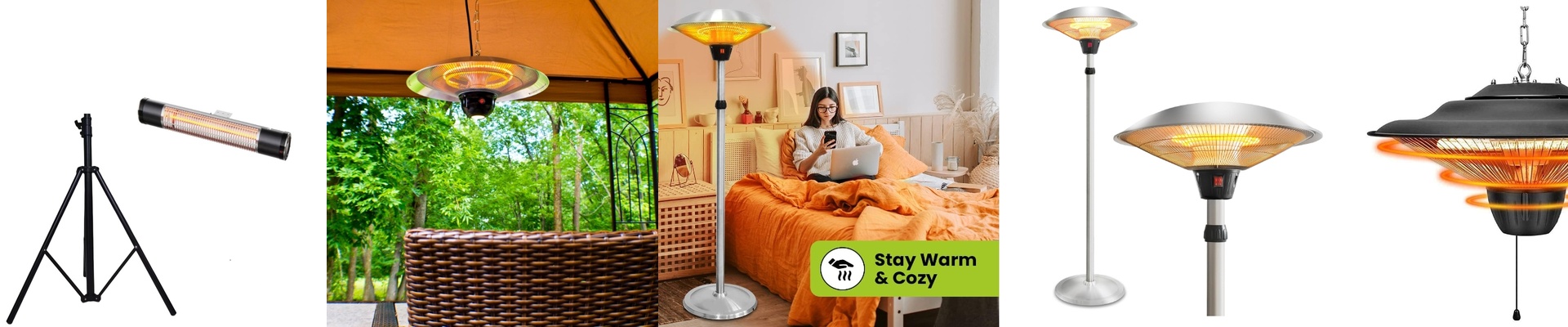
Let’s talk about these twin tube gold coated lamps. If you’re looking for high-intensity infrared heating, these are your best bet. We use a dual-filament quartz build with a gold reflective coating that basically acts like a mirror, bouncing all that IR radiation straight back onto your workpiece. It’s an efficient way to move energy, but it does make the electrical side of things a bit more temperamental.
Why we test every single lamp
Here is the thing: we don’t do “batch sampling.” We don’t just test a few and hope the rest are fine.Every single lampthat leaves our shop goes through withstand voltage and insulation resistance testing. Why? Because in a high-voltage industrial setup, one tiny pinhole in the quartz or a messy seal can cause an arc-over. That’s a nightmare scenario. You aren’t just looking at a dead lamp; you’re looking at fried control boards or a tripped breaker that shuts down your whole plant. We push the insulation to the limit during QC so you don’t have to worry about it when you flip the switch.
The gold coating (It’s not for looks)
The gold isn’t there to make the lamp look fancy. It’s there to do the heavy lifting. By pushing the heat forward, it keeps the back of your lamp housing cool. This is a huge win for your setup. It means you can tuck the lamps closer to your target without worrying about melting your machine’s frame. You get a much tighter, more controlled heat footprint.
A few things to watch out for
Now, you can’t get that kind of power for free. These lamps get incredibly hot at the terminals. If your cooling fans aren’t up to the task, or if you’re using wiring that’s too thin, the seals will fail prematurely. It’s all about balance. You have to make sure your system can breathe and dump that ambient heat, otherwise, you’re flirting with thermal runaway. We build these to handle a beating and survive rigorous cycles. Just make sure your electrical infrastructure is ready for the load.