Stop Heating the Air: Why Ozone-Free IR is the Way to Go
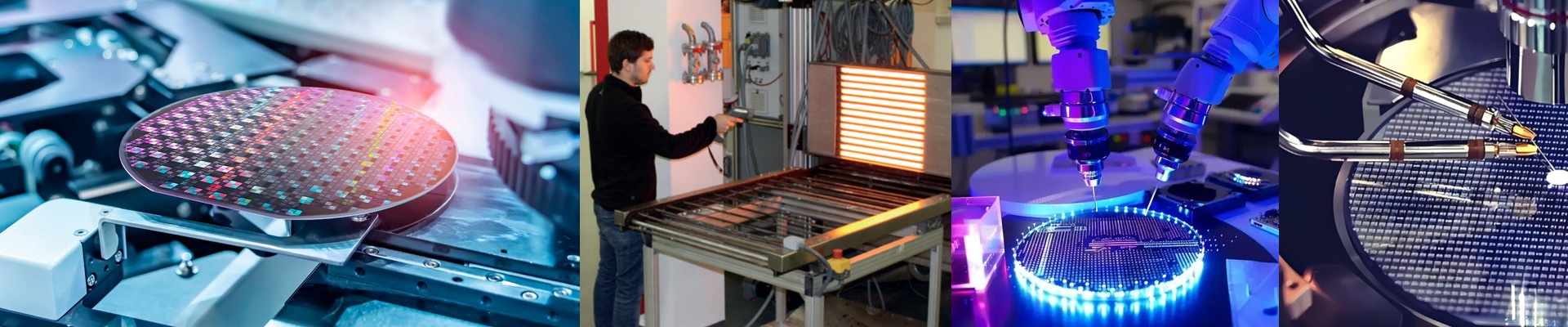
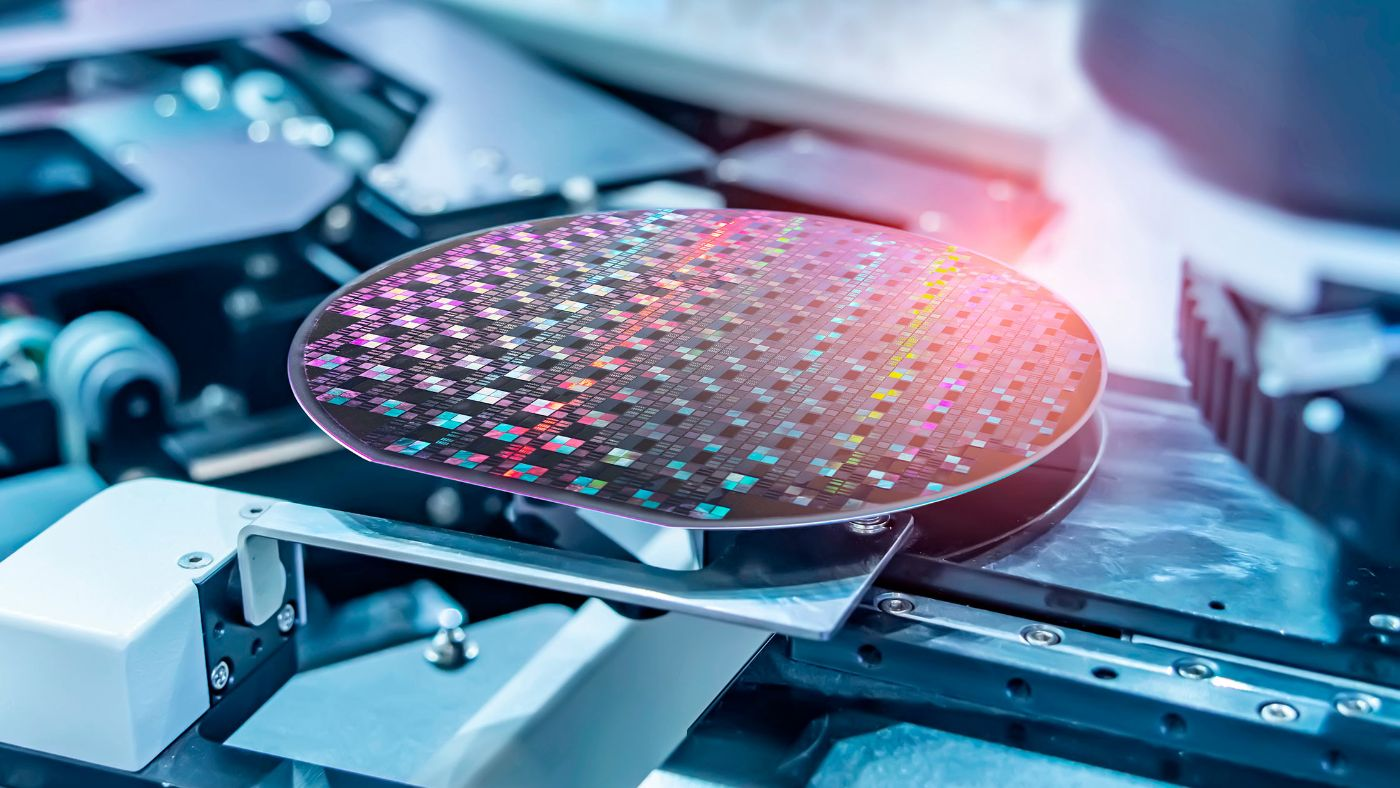
If you’ve spent any time in semiconductor deep processing, you know the drill with hot air circulation. It’s slow. You’re basically heating up an entire room just to get a tiny wafer up to temperature. It feels like waiting for a giant pot of water to boil when all you really need is a quick sear. That’s why so many of us are moving toward ozone-free infrared (IR) lamps. Instead of warming the air and hoping it reaches the part, IR just hits the target directly. It’s radiant energy. It’s a straight shot. The “Waiting Game” Problem Let’s talk about the clock. Convection systems have this massive thermal inertia—they take forever to warm up and even longer to cool down. In a high-volume fab, those missing minutes are basically money leaking out of the building. IR lamps change that. They’re almost instant. You cut those ramp-up and cool-down cycles way down, which means you’re pushing more parts through the door every hour without having to buy more machines or cram more gear onto your floor. The Ozone Headache Here’s the tricky part: standard shortwave IR can accidentally create ozone (O3) because of how the wavelengths hit the oxygen in the air. In our world, ozone is a nightmare. It’s a contaminant that causes oxidation on surfaces that are supposed to stay pristine. To fix this, we use specific quartz and coatings that filter out those VUV (Vacuum Ultraviolet) wavelengths. It keeps the heat, but ditches the chemistry that ruins your wafers. You get the speed without the risk. The Trade-offs (Because nothing is perfect) Now, it’s not all magic. You lose that “blanket” feel of a convection oven. Since IR is line-of-sight, you have to be smart about it. If your part has a weird shape or something is blocking the light, you’ll end up with cold spots. You can’t just plug these in and walk away. You have to really nail the lamp array and the reflector angles to make sure the heat hits everywhere evenly. Plus, these lamps pack a lot of punch in a small space, so your housing needs to be tough enough to handle the heat without warping the frame. At the end of the day, switching to IR is about more than just temperature. It’s about getting rid of that air-handling bottleneck and just getting the job done faster.