Getting Your Heat Flux Right in Wafer Processing
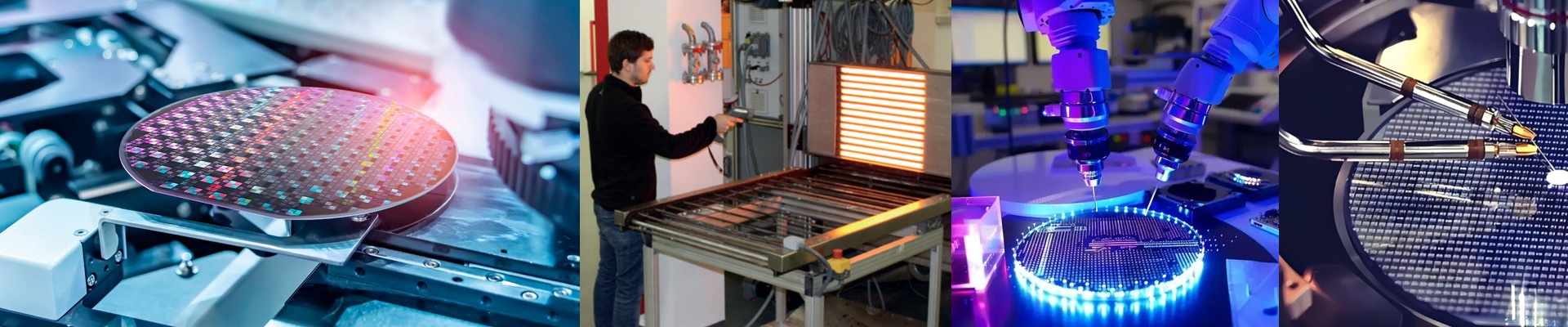
In a fab, wasting energy isn’t just a budget issue—it’s a failure. Period. When you flip the switch on a fab lamp, you want every single watt of power hitting that wafer surface. You don’t want it floating around the room or heating up the ceiling. To make that happen, we lean on a specific combo: high-purity quartz glass shields and gold-coated reflectors. Why gold? Most reflectors just scatter energy. It’s messy. But gold is a beast when it comes to infrared radiation. Instead of letting heat leak into the lamp housing, the gold coating bounces those IR waves straight back at the target. It basically turns a wide, lazy radiation pattern into a tight, concentrated beam. The best part? You get way more heat density without having to crank up the voltage and stress your system. The role of quartz Then there’s the quartz glass. We use this for the shields because the thermal shock in these systems is brutal. Most materials would warp or just shatter the second the lamp hits peak temp. Quartz doesn’t flinch. It keeps the filament safe while letting the short-wave IR pass through without soaking up the energy. The catch Now, here’s the thing. This setup is incredibly efficient, but it’s a bit high-maintenance. Gold is picky. If your fab has dust or organic vapors floating around, that coating will foul up fast. Once it gets dirty, your reflectivity tanks and your wafer temperature starts to drift. It’s a headache. To keep things consistent, you’ve got to be religious about your cleaning schedule. No shortcuts here. Putting it into practice When you’re actually wiring these into your system, double-check your cooling fans. Since we’re pushing so much energy toward the wafer, the lamp housing stays relatively cool, but the focal point is intense. If your shielding is even slightly off-center, you’re going to get hot spots on the wafer. Get that alignment dialed in, and you’ll see your power consumption per cycle drop almost immediately. It just works.