Getting Lead-Free Semiconductor Curing Right: It’s All in the Reflector
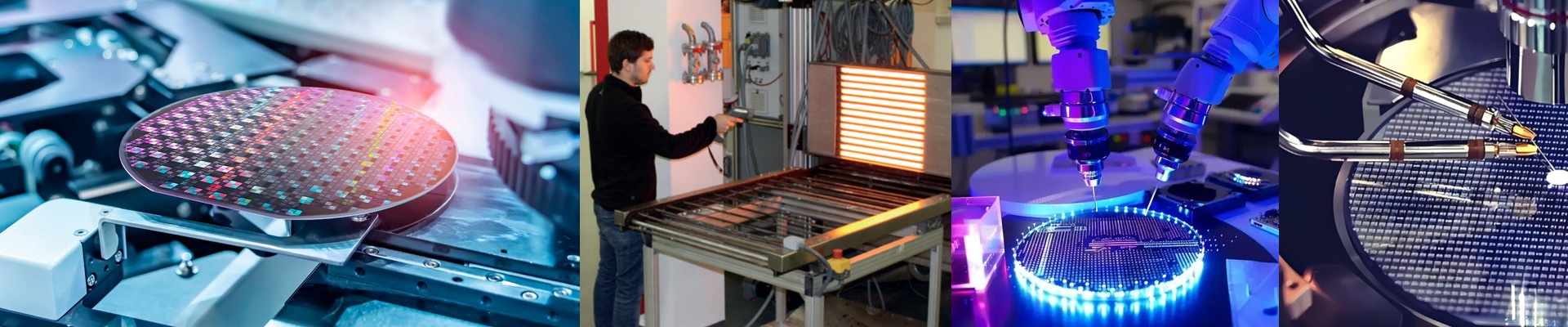
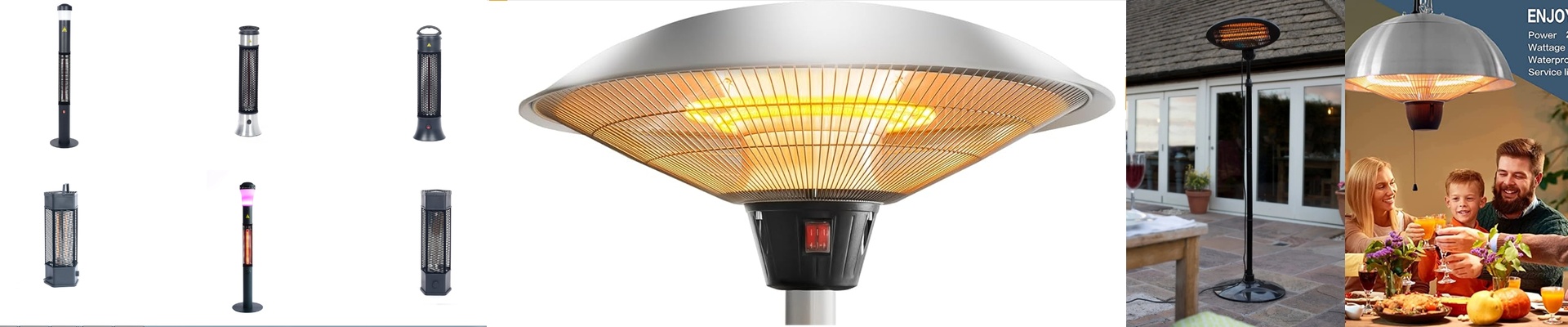
The industry is moving away from lead and leaning into eco-friendly standards. That’s why IR curing is becoming the go-to. It gets rid of those nasty solvent-heavy atmospheres and doesn’t eat nearly as much power as those old convection ovens. But here is the thing: the lamp can’t do the heavy lifting alone. If you want this to actually work, you need a precision-engineered aluminum reflector to point that energy exactly where it needs to go.
Why Aluminum?
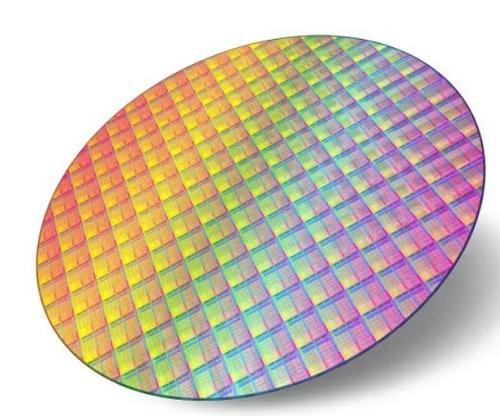
We stick with high-purity aluminum because it’s incredibly good at bouncing infrared light. Think about it. Without a reflector, half of your heat just shoots backward into the machine chassis. That’s not just wasted power—it’s a great way to overheat your equipment and cause a headache. When you use a polished or anodized surface, those photons bounce right back toward the wafer. You get a concentrated hit of heat exactly where the curing happens. It makes the warm-up time disappear. Your line starts cranking out parts way faster.
The Balancing Act
Designing these isn’t always straightforward. We build them to survive the brutal heat of short-wave or medium-wave lamps, but the shape is where it gets tricky. A deep parabolic curve gives you the best focus, but it takes up more room. If your curing chamber is already cramped, we go with a shallower arc. It’s all about the fit. And you have to keep an eye on oxidation. Even in a cleanroom, aluminum can pit or go dull over time. It might seem minor, but a dull reflector can kill your efficiency by 10% or 15%. Then you’re stuck cranking up the wattage to make up for it, which just burns out your lamps faster.
Making it Work in the Real World
Adding an aluminum reflector basically turns a simple heating lamp into a precision tool. You can hit your target curing temperature without turning your entire room into a sauna. You get a fast ramp-up and a quick cool-down. One last tip: make sure your mounting brackets are rock solid. If there’s any vibration or if things are slightly crooked, your focal point shifts. That leads to uneven curing across the substrate, and nobody wants to scrap a batch of wafers because of a loose screw.