Keeping Your Class 100 Cleanroom Actually Clean
When you’re running a Class 100 environment, you know the drill. One tiny speck of dust or a bit of chemical residue landing on your substrate, and the whole batch is toast. The problem is that most heating elements are kind of messy. They shed particles or use binders that just vaporize the moment they get hot. That’s a nightmare you don’t need. We fixed this by sticking to two things: high-purity synthetic quartz and carbon fiber filaments.
Why the quartz matters
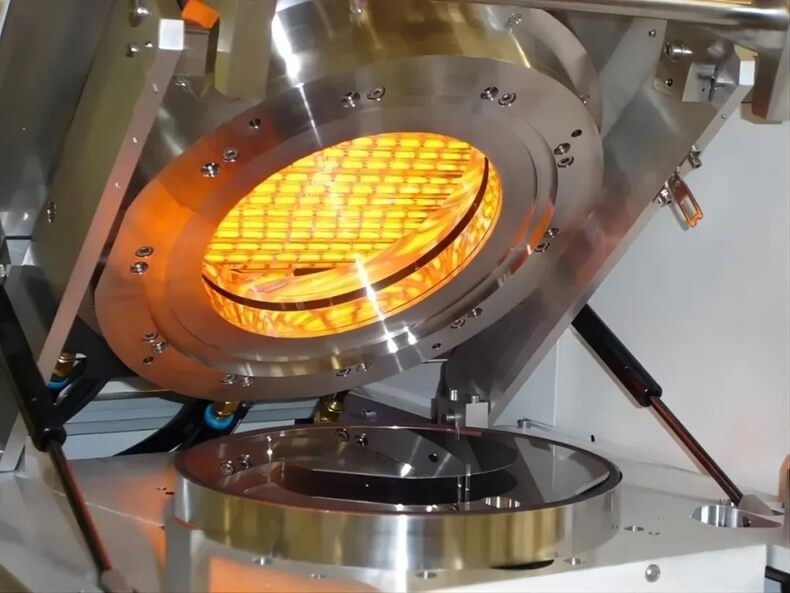
Here’s the thing about most lamps. They use standard glass or cheap quartz that can actually “smoke” or flake off when you push them to high temperatures. It’s a disaster for a cleanroom. We use fused silica quartz. It’s so pure that you don’t have to worry about volatile organic compounds (VOCs) leaking out during ramp-up. We wrap the carbon fiber filament in a vacuum-sealed tube that lets the heat through but keeps everything else locked inside. The heat is purely radiative. No particles escaping. No junk getting into your airflow. Just clean heat.
Getting the temperature right
If you’ve used tungsten coils, you know they can be moody. You get these annoying hot spots that can warp your components. Carbon fiber is different. It spreads the heat evenly across the whole lamp. It’s consistent. But a heads-up: these things hit target temperatures fast. Because the heat flux is so high, you’ve got to make sure your housing can handle the dissipation. If your cooling system is too small, you’ll cook your lamp sockets, and they’ll burn out way sooner than they should.
Dropping them into your line
We built these to be easy. They’re basically drop-in replacements for your semiconductor or medical device lines. The seals are airtight, so the filament doesn’t oxidize. And since we didn’t use any chemical coatings on the quartz, there’s nothing to peel or flake off as the equipment ages. You just get a stable, clean heat source that doesn’t put your certification at risk. It just works.