

Why IR Beats Hot Air for Semiconductor Drying
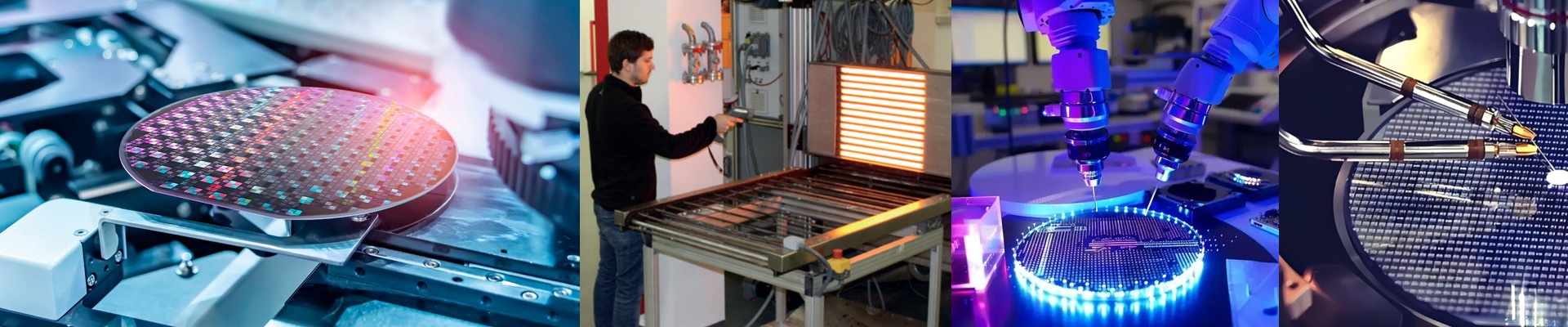
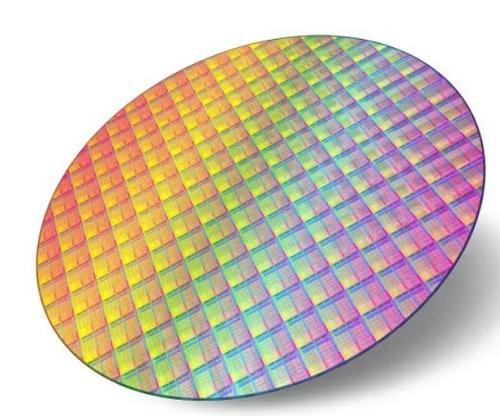
If you’re still using hot air circulation in your rinse lines, you’re basically fighting a losing battle with the clock. Think about how convection works. You have to heat up all that air and the walls of the chamber before the wafer even notices a temperature change. It’s slow. There’s this annoying lag every time you ramp up or down, and in a high-volume shop, those seconds add up to a lot of wasted time. Cut out the middleman. That’s where infrared (IR) comes in. Instead of heating the air, IR lamps shoot electromagnetic radiation straight at the substrate. No waiting for the air to warm up. No lag. We use waterproofed lamps so the steam and moisture from the rinse don’t fry the electronics. Because the energy transfer is direct, your heating cycle drops from minutes to seconds. Your throughput jumps because the wafers aren’t just sitting there waiting to dry. Getting the heat exactly where it belongs. We use special seals and coatings to keep the water out during that transition from rinsing to drying. With a high-density IR array, you can point the heat exactly where the liquid is clinging. You don’t get those frustrating “cold spots” that you always find in forced-air tunnels. But, you have to be careful. IR is intense. If your conveyor speed is off or your lamps are too close, you risk overheating a small area and warping those thin wafers. You’ve got to spend a little time dialing in the distance and the power. Once it’s set, though, it’s a dream. Saving space on the floor. The best part? You can ditch the massive blowers and the clunky ducting. Replacing a convection oven with an IR bank shrinks your equipment footprint. You just wire the lamps, set your timers, and slot them into your existing line. Your engineers will love it too—no more messing around with fan maintenance or swapping out filters. It just makes the whole process leaner.