Cutting Carbon in the Fab: Why We’re Moving to IR Bench Lamps
Let’s be honest: semiconductor fabrication is a nightmare when it comes to heat. You need absolute precision, but getting there usually means wasting a ton of energy. For a long time, we just accepted that legacy convection ovens and resistive heaters were the way to go. But they’re clunky, slow, and they bleed energy. That’s why we’ve been switching over to clean room bench infrared (IR) lamps. It’s not just about shaving a few seconds off a process—it’s about stopping the energy leak that makes a factory’s carbon footprint so massive.
How it actually works
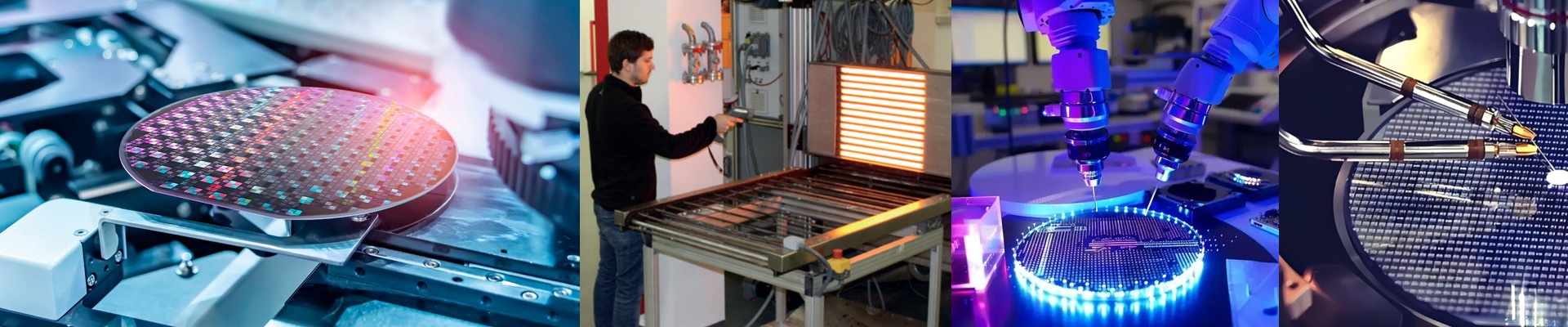
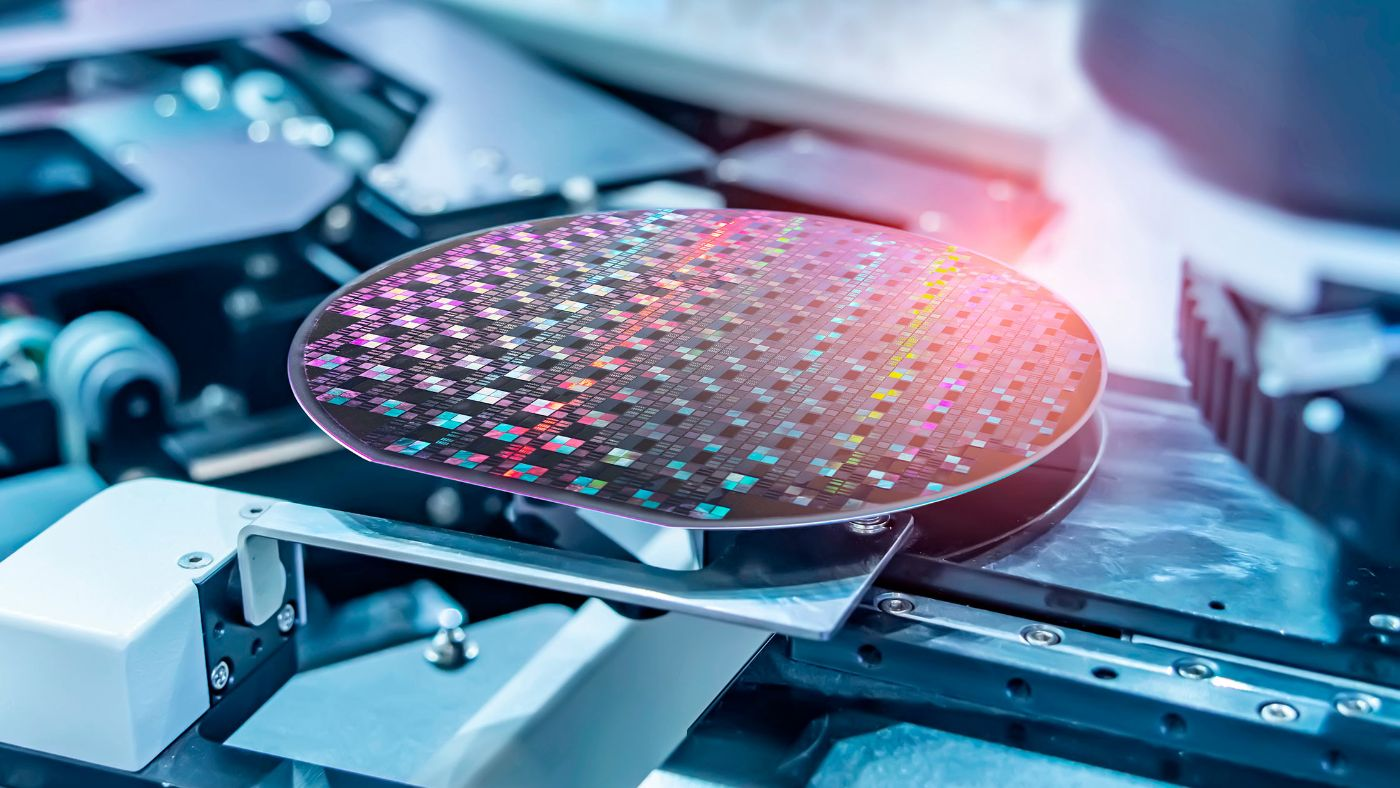
Think about a forced-air system. It has to heat up the entire volume of air in the room just to get your part warm. It’s inefficient. IR lamps are different. They use electromagnetic waves to hit the wafer or substrate directly. You aren’t heating the air; you’re heating the material. This means you ramp up to temperature way faster and you aren’t burning power just to keep the room warm while the machine sits idle.
The nitty-gritty on hardware
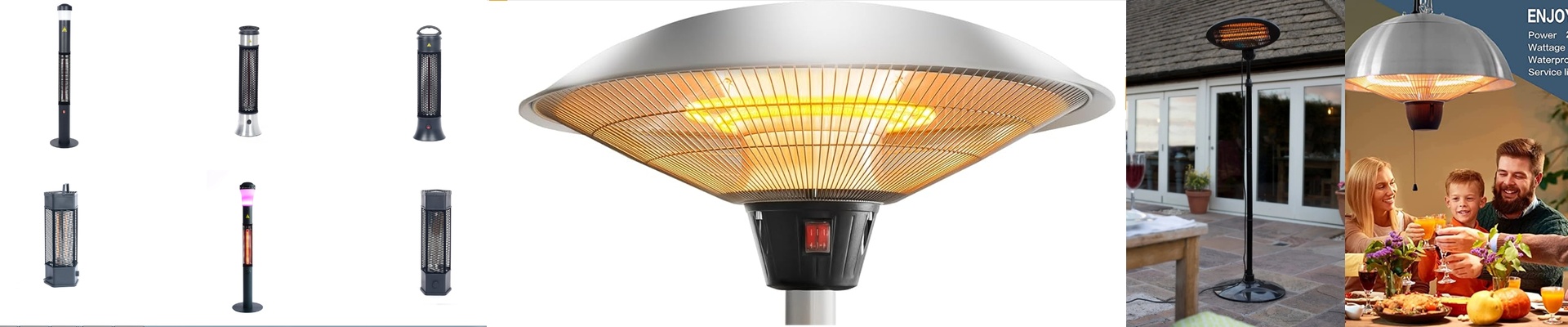
Depending on what you’re working with, we usually go with short-wave or medium-wave emitters. The goal is high-wattage density. We want a lot of power packed into a tiny footprint, which lets us shrink the size of the heating bench itself. But here is a heads-up:watch your power supply. These lamps pull a lot of current. If you’re pushing 2kW or more per lamp, make sure your wiring and breakers can actually handle the peak load. Nobody likes a nuisance trip in the middle of a run. Also, don’t just blast them at 100% all the time. Use precision controllers to modulate the power, or you’ll burn through your filaments way too fast.
Making the “Green Factory” thing real
When you put IR benches into your workflow, your HVAC system can finally breathe. Since you aren’t leaking waste heat all over the clean room, your chillers don’t have to fight so hard to keep things cool. It’s a win-win. These lamps basically slide right into the spot where those old, inefficient heating blocks used to be. You’ll notice your kWh per wafer starts to drop. The only real catch? Positioning. If your substrate isn’t perfectly centered under the lamp, you’ll get hot spots. It’s a pain, but we fix that with tuned reflectors. They smooth everything out so you get a flat, even thermal profile across the whole bench.