
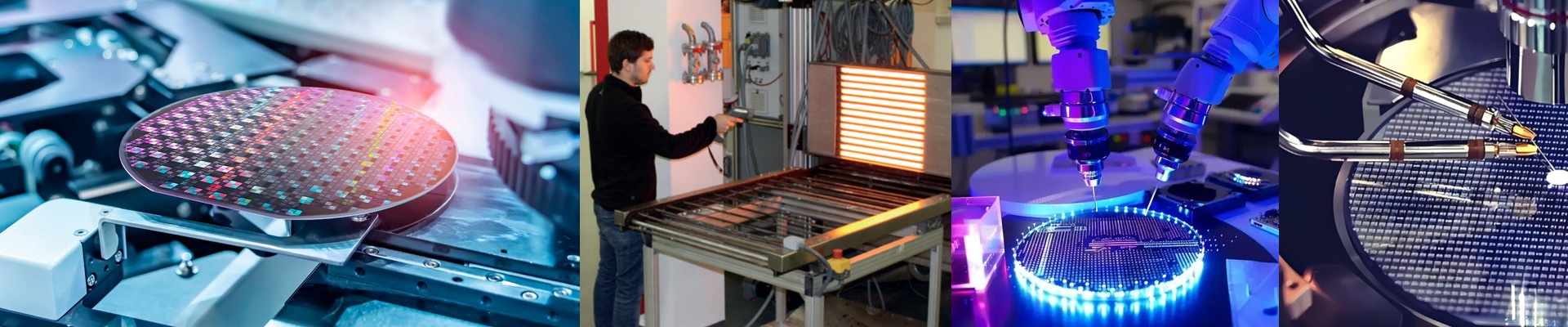
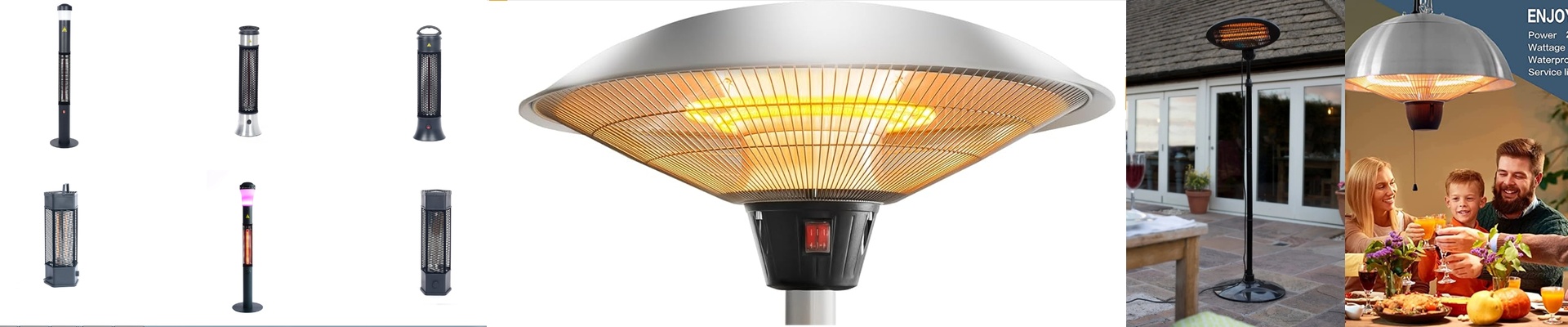
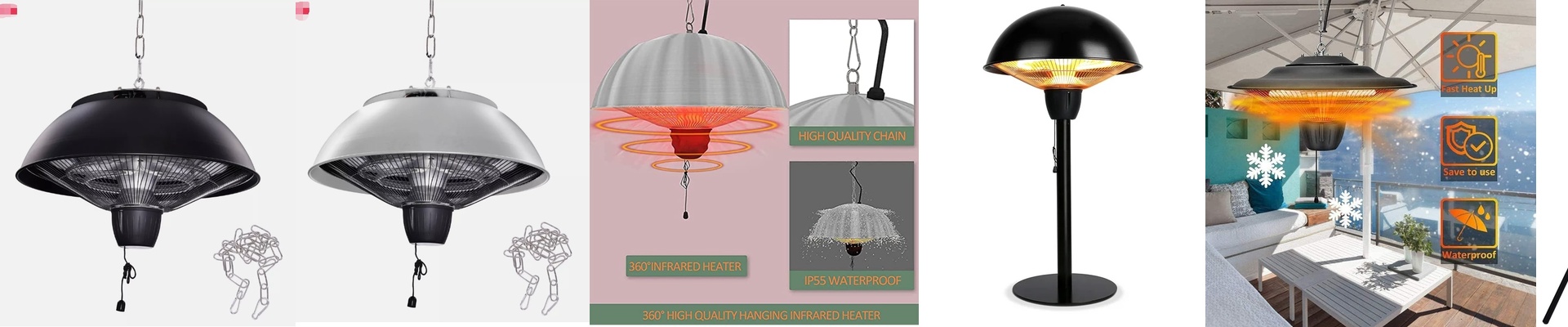
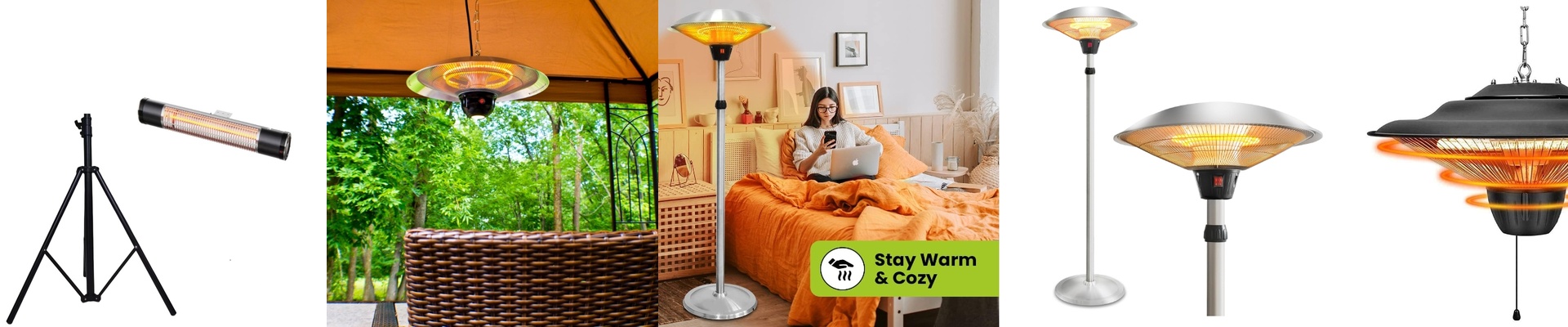
Why Your Bathroom Heater Actually Breaks (And How We Fixed It)
Ever wonder why these heaters always seem to quit right when you need them? Most of the time, the problem isn’t the heating element itself. It’s the lead-in wire. Specifically, that tiny spot where the electrical wire meets the quartz tube. Here’s what happens: the element gets screaming hot, and that heat starts creeping backward. It basically slow-cooks the insulation until it cracks and turns brittle. Once that happens? Short circuit. Game over. The battle against the heat Most companies just slap some cheap heat-shrink tubing or basic silicone on there and call it a day. But in a bathroom, you’ve got a nasty mix of heavy steam and elements hitting over 500°C. Cheap seals just can’t take that kind of beating. They degrade, moisture sneaks in, and the connection starts to carbonize. We do things differently. We use OEM-grade sealing, which means a vacuum-sealed transition and high-temp ceramic gaskets. Basically, we move the “heat bridge” away from the wires. This keeps the insulation cool enough that it doesn’t bake. It’s a simple fix, but it makes a massive difference in how long the heater actually lasts. The cost of doing it right You’ll find plenty of cheap heaters that use “drop-in” generic connectors. They’re fast to build, but they leak. If the seal isn’t airtight, oxygen leaks into the halogen-filled tube, and the filament burns out way faster than it should. To be honest, our way is slower. It requires much tighter tolerances on the quartz tube and a lot more patience. You can’t just run this through a low-end automated machine and hope for the best. It takes actual craftsmanship. Keeping things safe There’s also the issue of “drift.” When a heater cycles on and off, things expand and contract. If the lead wire isn’t locked down, it shifts. That puts stress on the solder joint, which can lead to arcing—and nobody wants that in a bathroom. Our method locks the wire firmly in place. You get a steady electrical path that doesn’t budge, no matter how many times you flip the switch. Just a heads-up: make sure your housing is vented properly. If the heat has nowhere to go, it’ll just soak into the plastic casing, and you’re right back where you started.