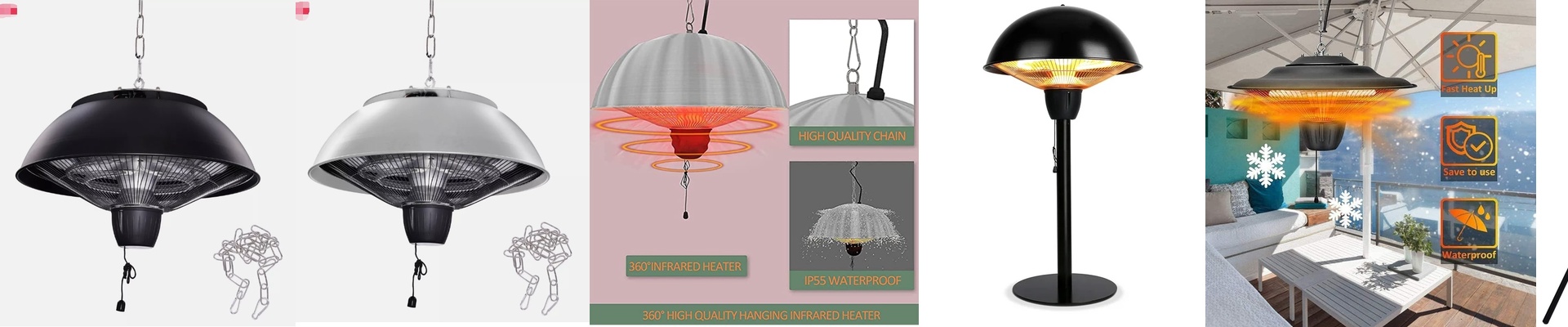

Why Infrared Heat is Your Best Weapon Against Bathroom Mold
Most people see those bathroom heat lamps and just think, “Great, I won’t freeze when I step out of the shower.” But there’s actually something much cooler happening under the hood. It’s not just about keeping you warm; it’s about fighting a war against moisture. Here is the deal: mold loves a damp, cold surface. If your walls stay wet, mold moves in and sets up shop. That’s where infrared (IR) comes in.
It’s not just “warm air”
Think about a standard space heater. It warms the air, but the walls and ceiling usually stay chilly. That’s why you see steam clinging to the corners of the room—it’s condensing on the cold spots. Infrared is different. Instead of heating the air, it sends out energy that hits the tiles and grout directly. It basically shakes the water molecules on your walls until they evaporate. By drying those surfaces fast, you’re essentially starving the mold spores before they can even start growing.
The nitty-gritty of the build
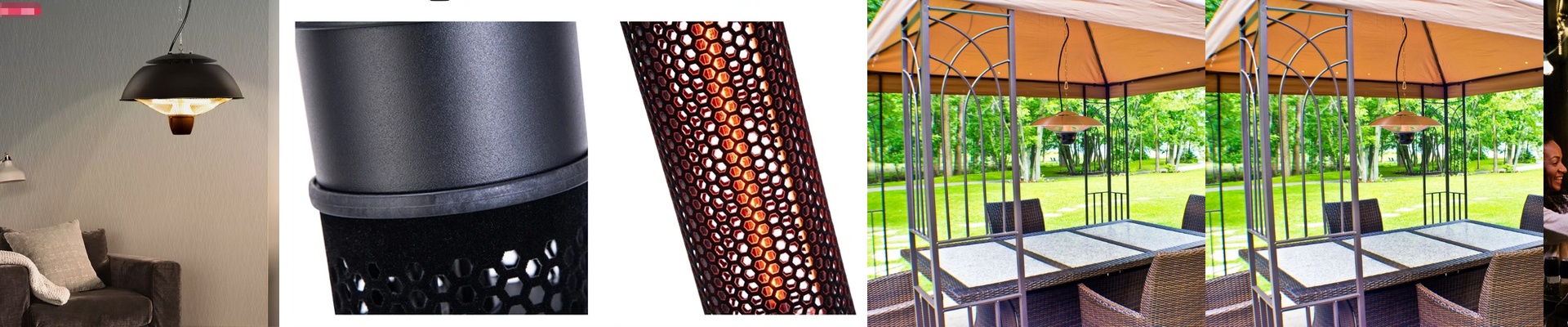
Building these things is a bit of a balancing act. We use quartz glass because it can handle the shock of a freezing bathroom without cracking. Then there’s the waterproofing. This is the hard part. We use silicone gaskets and sealed housings to keep the steam away from the electrical guts. If a little moisture leaks into the wiring? The whole thing is toast. One quick tip: pay attention to your ceiling height. If the wattage is too low, the heat won’t reach the walls with enough punch to actually dry them. But go too high, and you might trip your circuit breaker. It’s all about finding that sweet spot.
The trade-off
The best part? It’s instant. No waiting around for a radiator to warm up. You flip the switch, and you feel the heat immediately. But there is a catch. IR heat is very directional. You’ll feel a cozy glow right under the lamp, but the far corners of the room might stay cool. To fix that, don’t just rely on one lamp. A small array of lights spread across the “wet zone” ensures there are no damp shadows left behind. Get the layout right, and you can finally stop scrubbing mold off your ceiling.