Why we put our infrared heaters through a “steam torture test”
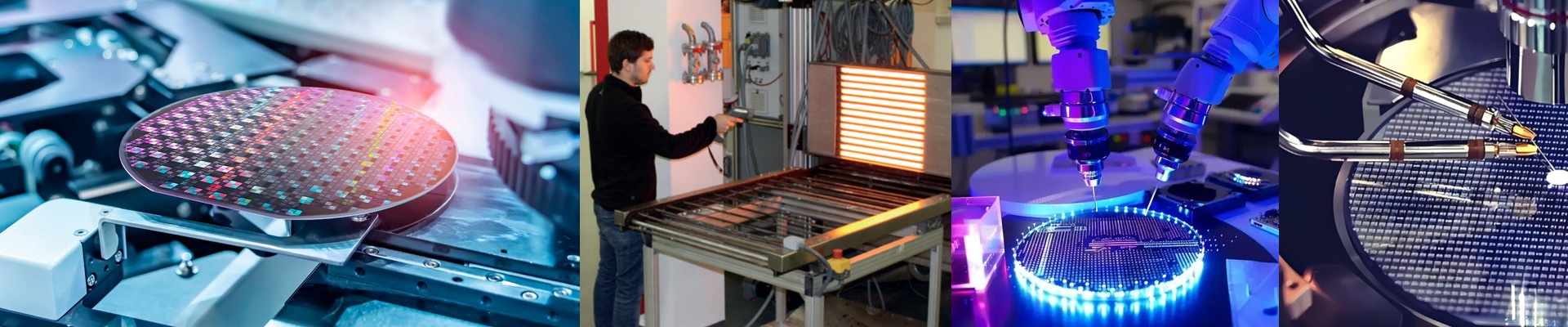
Bathrooms are absolute killers for electronics. Think about it: you’ve got thick steam, wild temperature swings, and constant humidity. It’s a nightmare scenario for a heating element. If a recessed heater isn’t built right, the seals give out, the reflectors get cloudy, and the wiring just quits. We don’t want to guess if a unit will last. That’s why we use damp-heat aging tests. We basically try to break the product in a lab so it doesn’t break in your ceiling. The battle against moisture Most of these heaters fail at the joints. Steam finds a way in, hits the electrical contacts, and starts causing rust. Once that corrosion kicks in, the electricity has to fight harder to get through. That creates heat in places it shouldn’t be, and eventually, the whole thing just pops. By shoving these units into a chamber with crazy humidity and cycling the heat, we can force years of wear and tear to happen in a few days. It’s fast. Brutal. And it works. Checking the “envelope” We’re mostly looking for two things: are the seals holding, and is the material actually holding up? Because these are recessed, heat gets trapped up in the ceiling void. We watch how the housing handles that “heat soak” while the outside is being pelted with moisture. If we see the coating peel or the lens turn yellow, that whole batch goes in the trash. It’s a tricky balance. We want seals that are tight enough to keep water out, but not so tight that the unit chokes on its own heat. What this actually means for you Look, we aren’t claiming these are “perfect” magic lamps. We’re just making sure that when you take a shower every morning, your heater is still working six months later. Our tests make sure the infrared emitters keep their punch and the insulation doesn’t crumble from the damp. You get a heater that handles the steam without tripping your breaker or burning out a filament. We beat the hardware up now so you don’t have to deal with the headache of a broken heater later.