
Keeping Your Infrared Heaters Safe in the Bathroom
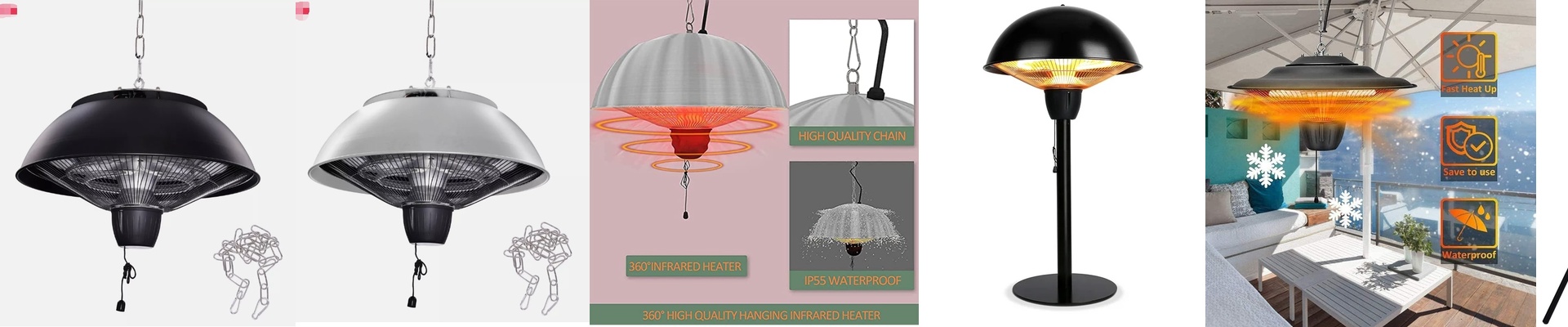
Let’s be honest: putting a high-powered heating lamp in a bathroom is a bit like playing with fire—or in this case, water and electricity. A basic waterproof shell isn’t enough. When you’ve got steam everywhere and the occasional splash, the risk of a current leak is real. If you’re aiming for a true IP65 rating, the real battle is won or lost at the seal where the heating element meets the power feed.
The fight against moisture
Here is the thing about water vapor: it’s sneaky. It doesn’t just pour in; it creeps through tiny gaps using capillary action. Once that moisture hits the lamp terminals, you’ve basically built a bridge for electricity to go where it shouldn’t. To stop that, we use hermetically sealed gaskets and hydrophobic cable entries. It’s all about making sure the insulation is absolute. We actually push these units to the limit, testing them in 90% humidity to make sure not a single bit of leakage current reaches the chassis.
What’s actually under the hood?
We don’t cut corners on the hardware. We use quartz glass tubes with specialized end-cap seals. This keeps the halogen gas inside and the steam outside. The wiring is also key. We use silicone-insulated leads because they don’t get brittle or crack after the lamp heats up and cools down a thousand times. Then, we pot the terminal connections in epoxy or wrap them in adhesive-lined heat-shrink tubing. It stops moisture from “wicking” up the wire and sneaking into the socket.
Some real-world advice
You can’t just throw a waterproof cover on a standard heater and call it a day. That’s a recipe for disaster. First, make sure the housing is grounded. And if you’re wiring these into a high-moisture area? Use a GFCI (Ground Fault Circuit Interrupter). No exceptions. But there is a trade-off you should know about. Those tight IP65 seals are great for keeping water out, but they also trap heat inside. Because the air can’t circulate, the internal temperature climbs much faster than it would in an open fixture. If you use cheap materials, they’ll warp under that heat soak, the seals will pop, and the whole thing fails. Stick to die-cast aluminum or high-temp polymers. It’s the only way to make sure the unit doesn’t just burn itself out.