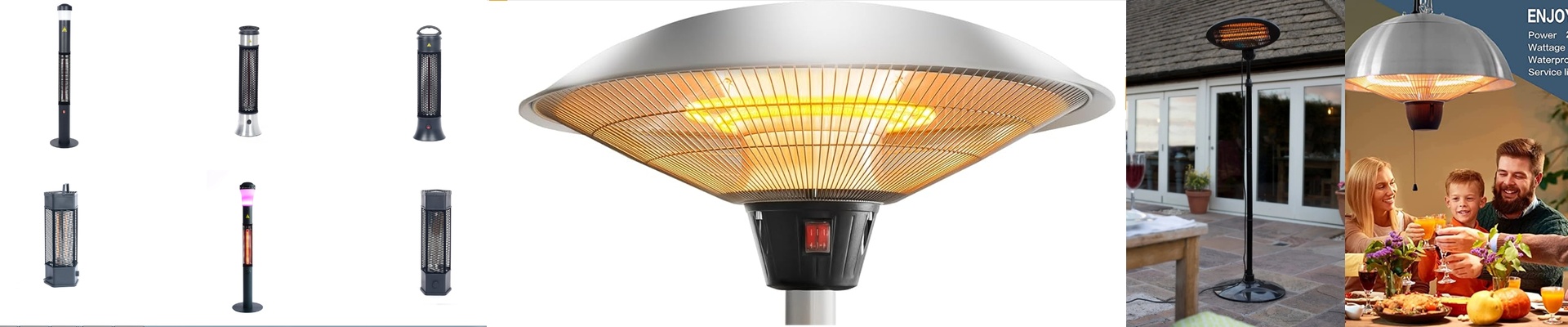
Keeping Things Warm in Wet Zones
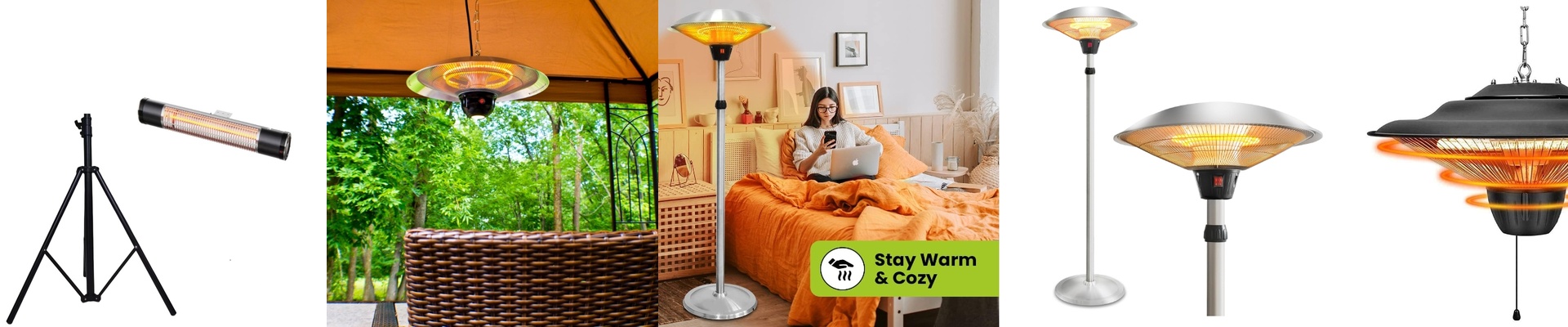
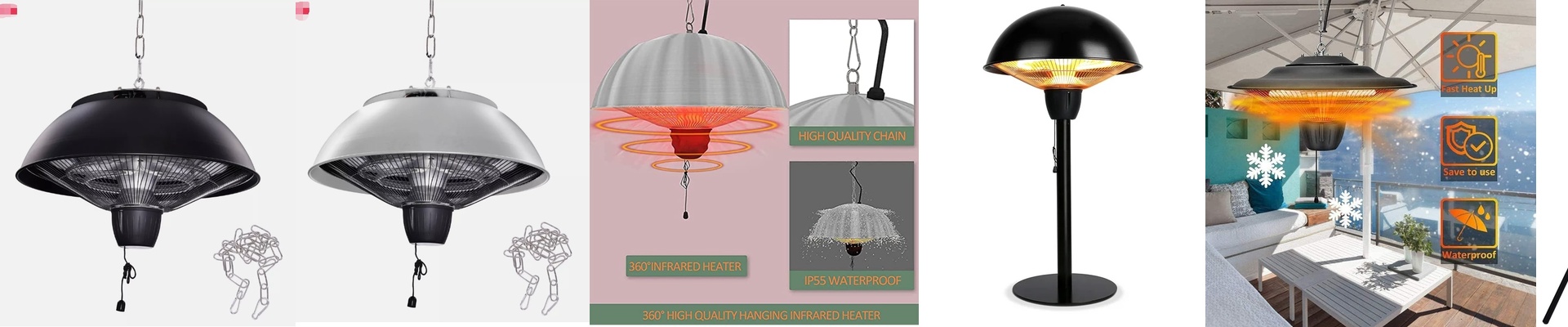
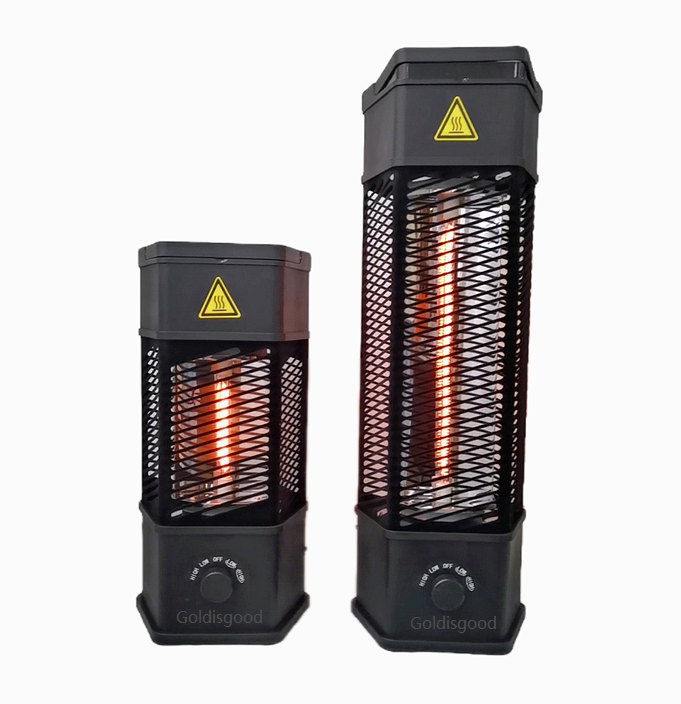
Let’s be honest: most heaters are useless the second you take them outside or put them in a changing room. Moisture is a killer. It gets into the circuitry, things short out, and suddenly you’ve got a very expensive piece of scrap metal. We fixed this by putting shortwave infrared emitters inside an IP65-rated shell. In plain English? The unit is totally dust-tight and can handle a blast of water without blinking.
Heat that actually hits you
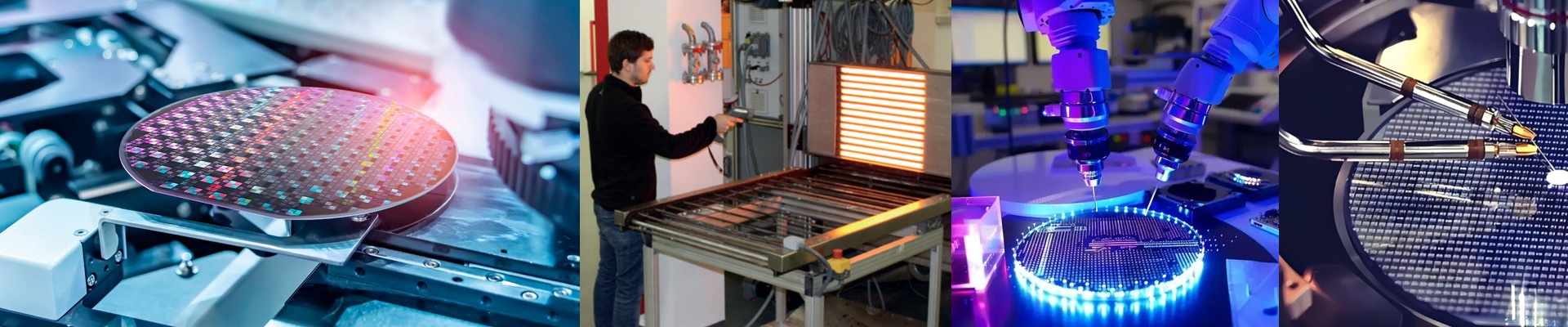
Here is the cool part. Most heaters try to warm up the air around you. But if you’re in a drafty room or on a patio, that warm air just floats away. We use shortwave infrared instead. It doesn’t bother with the air; it sends energy straight to your skin. It’s instant. You feel it the second you step into the beam. It’s the only way to stay warm when the wind is blowing or the doors are wide open.
Built to last (and not crack)
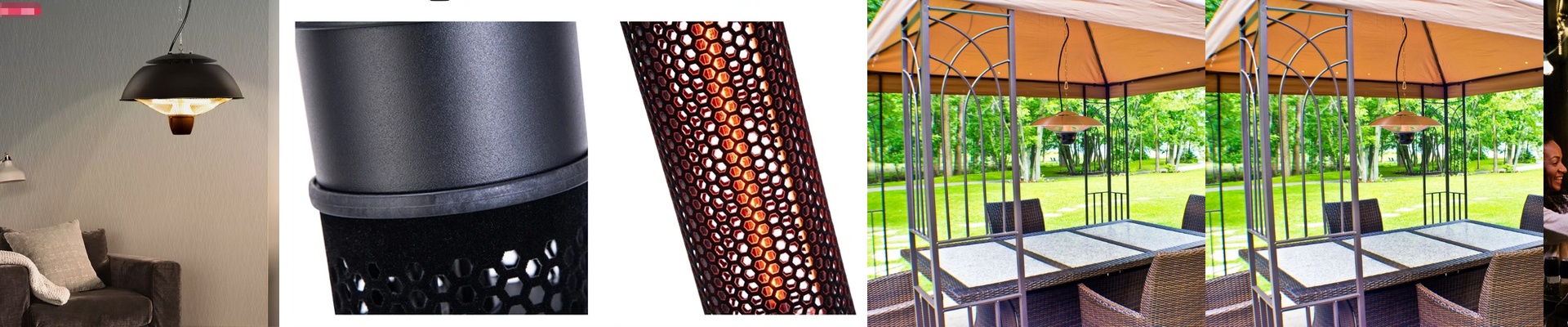
That IP65 rating isn’t just a fancy sticker. We use heavy-duty gaskets and sealed cable entries to make sure humidity stays far away from the electronics. The heating elements live inside quartz glass. It’s tough and handles the heat well, but a quick tip: give your mounting brackets a little breathing room. The glass expands as it heats up, and if it’s clamped too tight, it might crack over time.
A few things to keep in mind for the install
These units are small and go up fast. You can plug them right into your existing grid, but watch out for the “kick.” High-wattage lamps pull a lot of power the moment they click on. If you’re installing ten of these at once, make sure your breakers can handle that initial surge, or you’ll be tripping the power every time you turn the heat on. One last thing: placement is everything. Radiant heat travels in a straight line. Mount them too high and you won’t feel a thing. Mount them too low and you’ll bake whatever is directly underneath. I usually recommend a 45-degree angle. It spreads the warmth out better and keeps you from getting those annoying “hot spots.”