
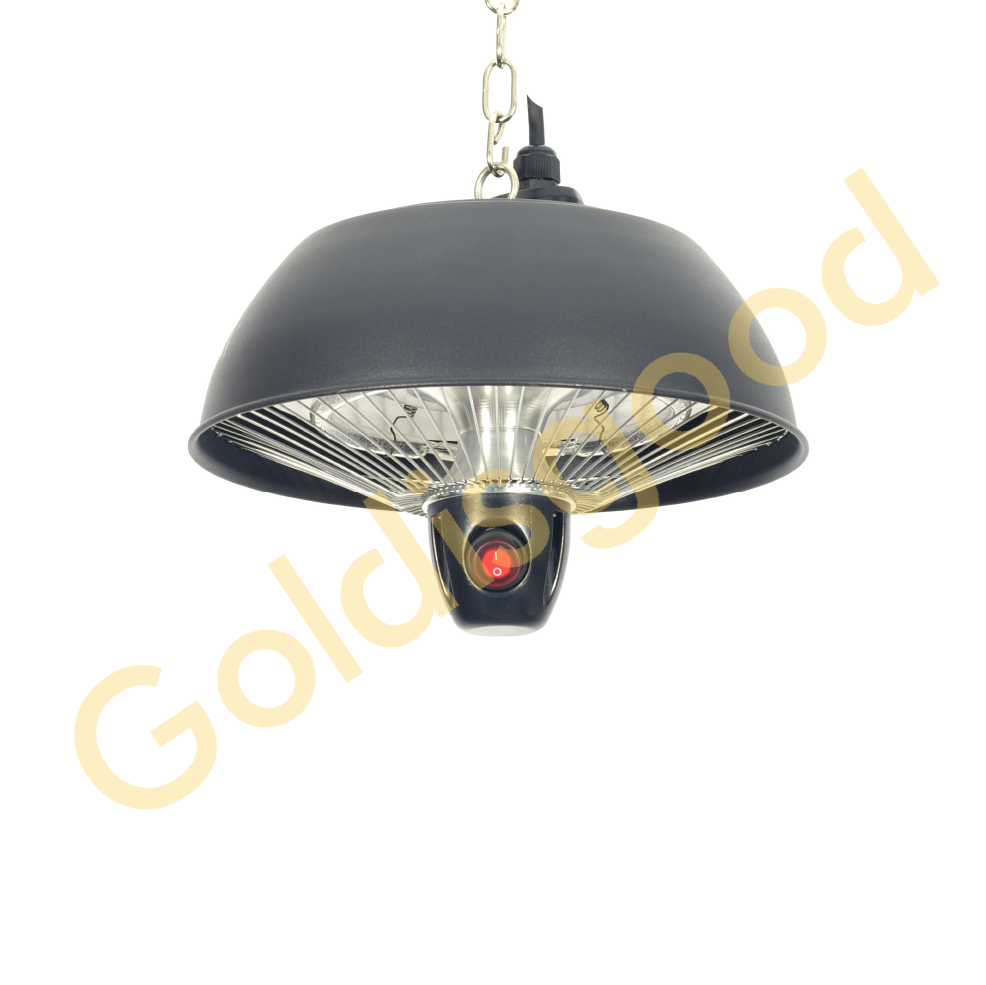
Engineering IP65 Waterproof Outdoor Heaters: The Technical Reality of Electrical Safety in Damp Environments
We build IP65 infrared heaters for one simple reason: to give you reliable warmth where water is part of the picture—without the nagging worry of electrical trouble. Whether it’s a steamy bathroom or a windy outdoor spot, we’re not just chasing a rating. We’re engineering a sealed system that keeps power where it belongs—inside the tube—and keeps moisture where it should be—outside.
Power, Voltage, and Size—Why It All Matters
Our standard setup is 2500W on a 400V supply. That choice isn’t random. The 400V supply helps power stay steady over longer cable runs, so the heater doesn’t get hammered by current spikes. The 300mm tube then packs that power into a compact space. You get a lot of heat in a small footprint, which is great. Just remember: that kind of output means the mounting surface and nearby wiring need to be ready for the heat.
The Materials and Design Behind a Truly Sealed System
We use a halogen-filled quartz tube. Quartz handles the shock of quick on/off cycles way better than regular glass, and the halogen gas helps the filament last longer by reducing tungsten evaporation. The IP65 seal comes from a dual-gasket setup and a fully enclosed reflector housing. And the R7s connector is the anchor point. It locks the tube in place with a direct, rigid, fully insulated connection—so there’s no flex that can crack seals over time.
How It Works in Damp Spaces—And What It Feels Like
In damp environments, the usual failure point is the gap between electrical parts and the outside world. Our design keeps live contacts tucked safely behind the IP65 barrier. You can wire the unit into a standard junction box, and the heat arrives via radiation, not convection—so the lamp itself stays dry. The trade-off is straightforward: you’re getting intense, focused warmth. That means you need to make sure the mounting surface and nearby materials can handle the temperature. Bottom line: this is a drop-in heating solution built to take the daily beating of wet locations—and keep doing its job, quietly and reliably.