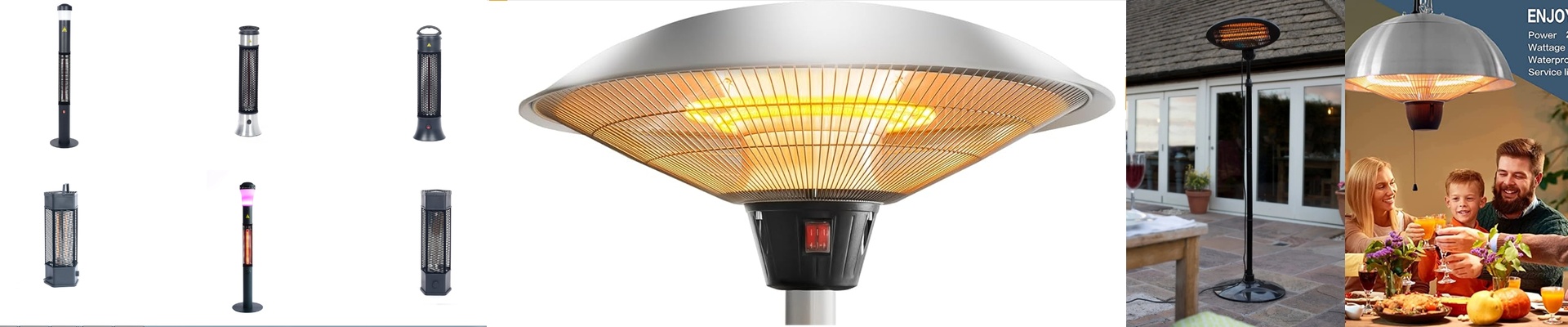


Keeping Your Outdoor Heaters From Dying in the Rain
Let’s be honest: the outdoors is a nightmare for electronics. Between the humidity, the sudden rain showers, and that annoying morning dew, moisture finds a way into everything. If it gets inside your heater, you’re looking at short circuits or heating elements that just rust away. We’ve spent a lot of time figuring out how to stop that from happening.
Why “Mist” is a Problem
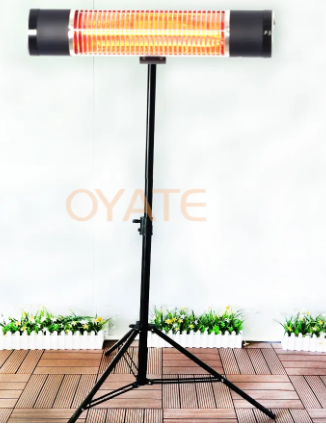
Here is the thing about infrared lamps: they get hot, and they get hot fast. When you fire one up in a cold, damp yard, you get this temperature clash that creates condensation inside the unit. If a stray water droplet hits a scorching quartz tube?Crack. To stop that, we don’t just slap a cover on it. We seal the electrical junctions and use specific gaskets. It keeps the water out but still lets the unit breathe, so it doesn’t choke on its own heat.
Dealing with the Rain
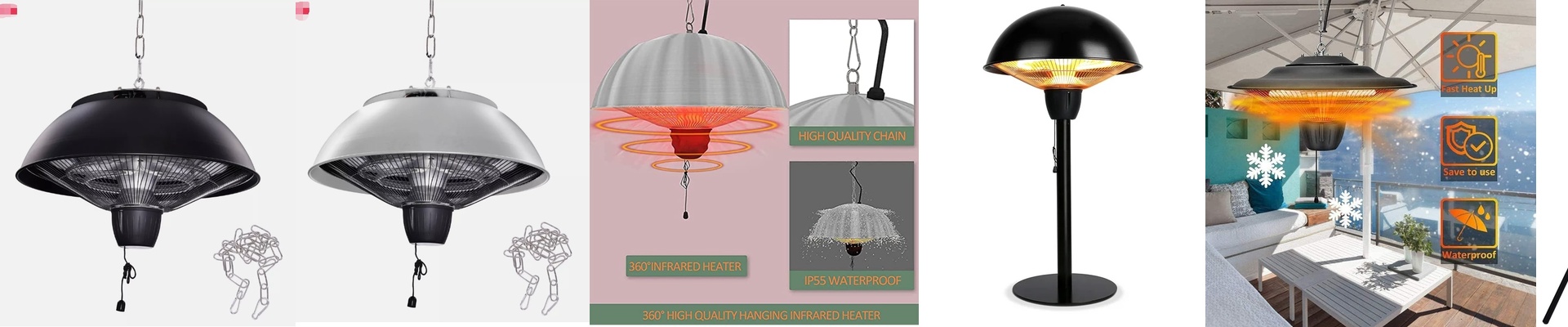
Most cheap heaters fail at the same spots: the wiring inlets and the lamp sockets. That’s where the rain creeps in. We build our units to be splash-proof. Now, you can’t throw this thing in a swimming pool, but it’ll handle wind-driven rain without breaking a sweat. We also use corrosion-resistant alloys for the reflectors. This is huge if you live near the coast, because salt air eats regular metal for breakfast.
The Balancing Act
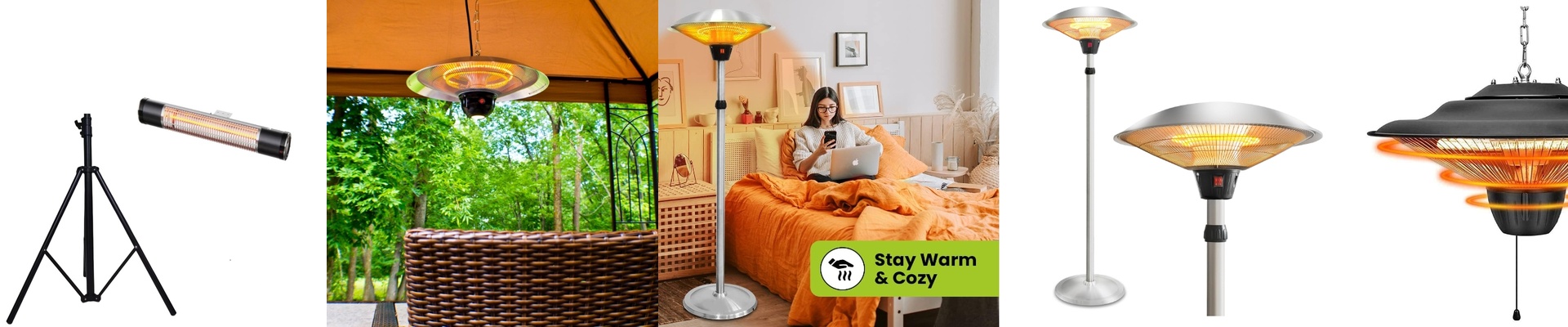
You might think, “Why not just seal the whole thing in plastic?” Well, if you seal it too tight, the internal heat has nowhere to go and the whole thing overheats. It’s a balancing act. We design strategic airflow paths so the heater stays cool enough to function while staying dry. Just a heads-up: make sure you leave the recommended clearance when you mount it. Give it some room to breathe. When a unit is sealed right, it just lasts. You aren’t spending your weekends replacing burnt-out parts or cursing at a dead heater in the middle of January. Just follow the wiring guidelines, and you’re good to go.