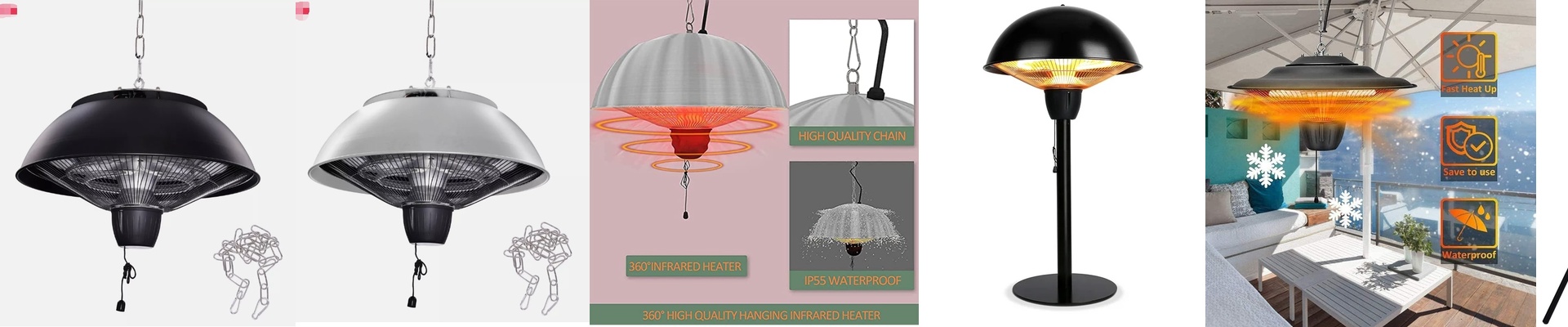

Building Infrared Heaters That Don’t Quit When Things Get Wet
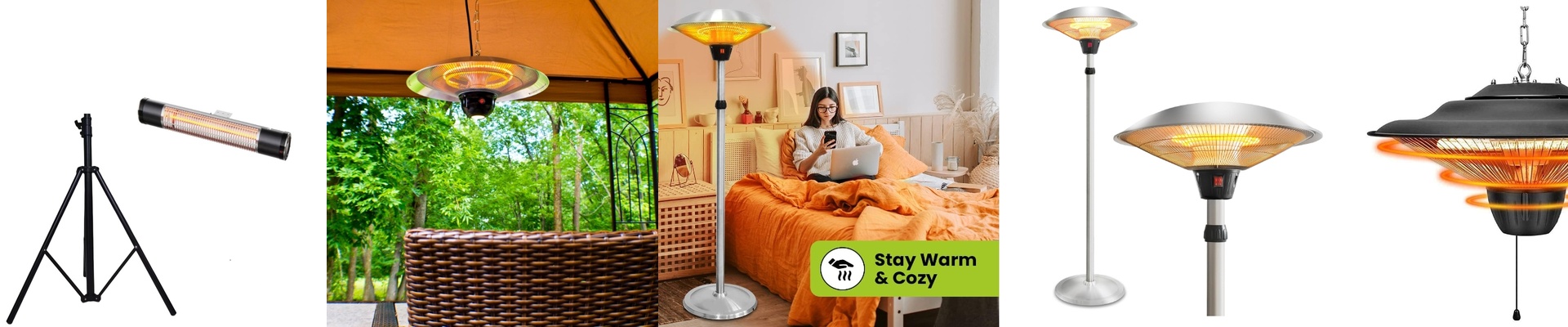
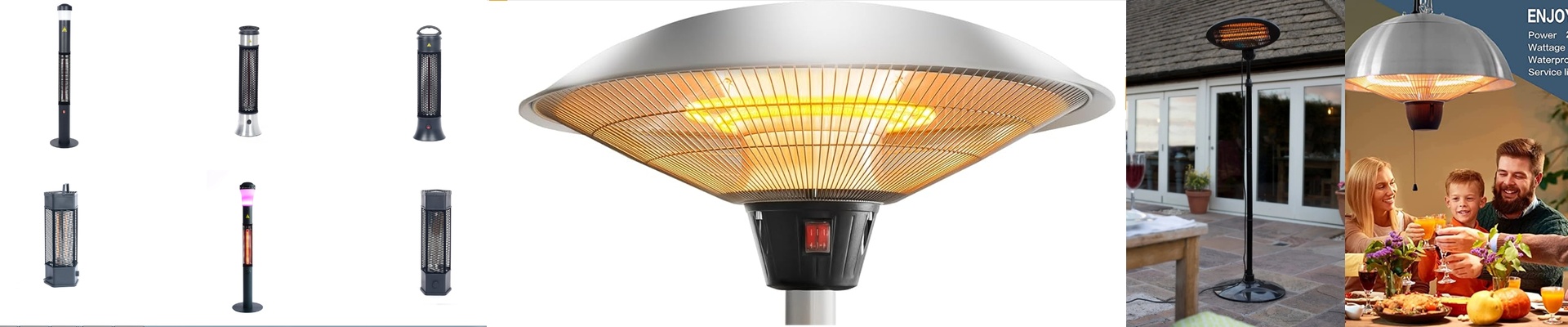
We make industrial infrared heaters for places that take a beating from the weather—think outdoor bar patios that are open all season, or bathrooms that stay steamy for hours. The whole point? Keeping the power on, even when moisture is part of the daily routine. Standard heaters fold fast in these conditions. Ours are built to push back.
Power, Voltage, and the Real-World Details
Here’s the thing about heat in damp spaces: it has to be strong, but it also has to be smart. We match the power to what the job actually demands. Most units run on 120V or 240V, putting out between 1500W and 2500W of focused infrared heat. The tubes are usually 300mm to 600mm long, so you get a tight, controllable heat footprint—point it where you need it, and that’s where the warmth lands. But raw power doesn’t mean much if the insulation can’t hold up. So we pair that wattage with IP-rated waterproof construction. High heat density is great, but it also means you need proper ventilation and thermal management around the mount. That keeps the area from getting too hot and keeps everything running safely.
The Materials That Make It Happen
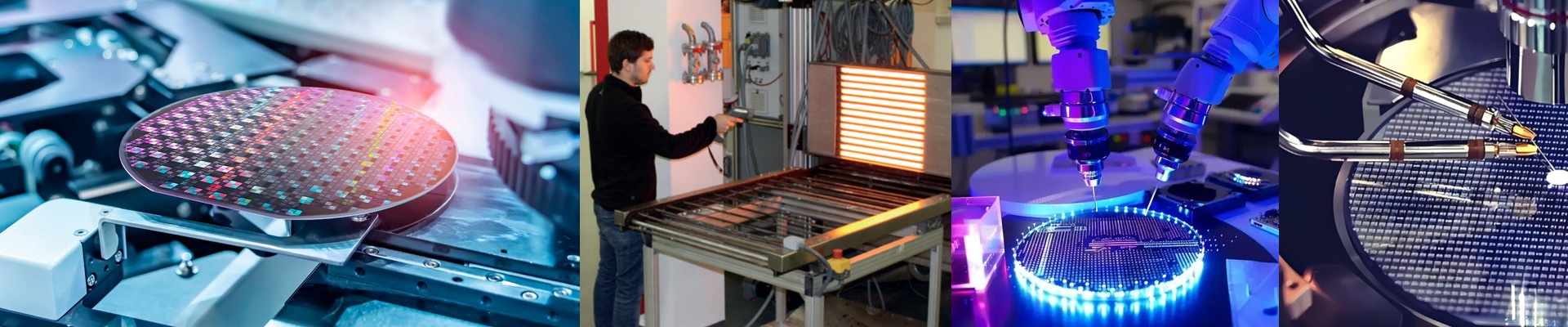
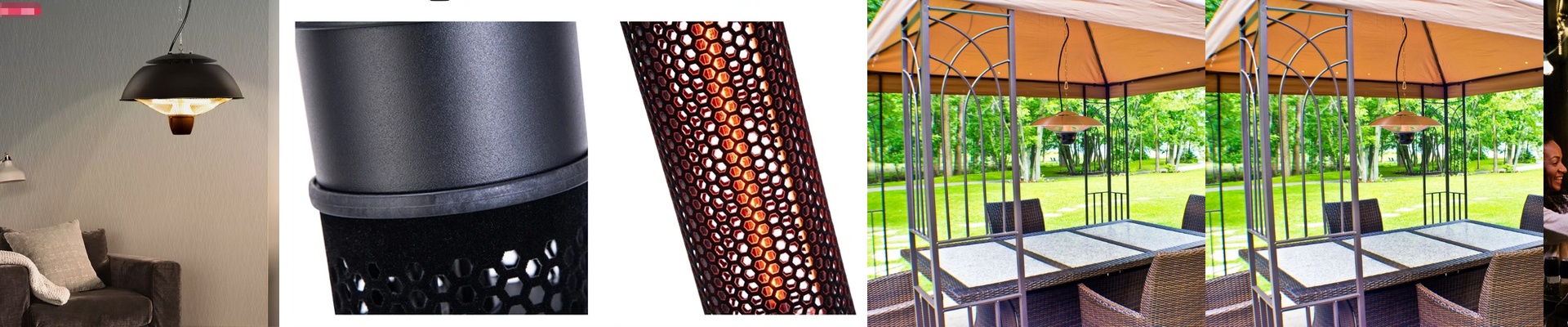
We use quartz tubes because they can handle serious heat without cracking under pressure. The internal halogen element gives you steady, shortwave infrared output, and the tube itself gets a waterproof coating to keep moisture out. Then there’s the connector—R7s or Sk15. These are industrial-grade contacts built for high temperatures, and they stay solid even when vibration and repeated heating/cooling cycles won’t quit. Seals are gasketed, and joints are welded, not crimped. That stops water from sneaking in at the source. The electrical path stays isolated, even when the air is thick with steam.
What This Means for You
If you’re outfitting an outdoor bar patio or a humid indoor zone, this setup is a drop-in solution that can take a beating. The waterproof build shrugs off rain and splashes. The electrical interface stays insulated, so you don’t have to worry about leaks or shorts. You get heat you can count on, warm-up that’s fast, and an install that stays tough. No constant re-wiring. No swapping parts every season. When it’s specced right, the heater just works—dry, stable, and safe.