


Keeping Things Safe: The Reality of IPX5 Infrared Heaters
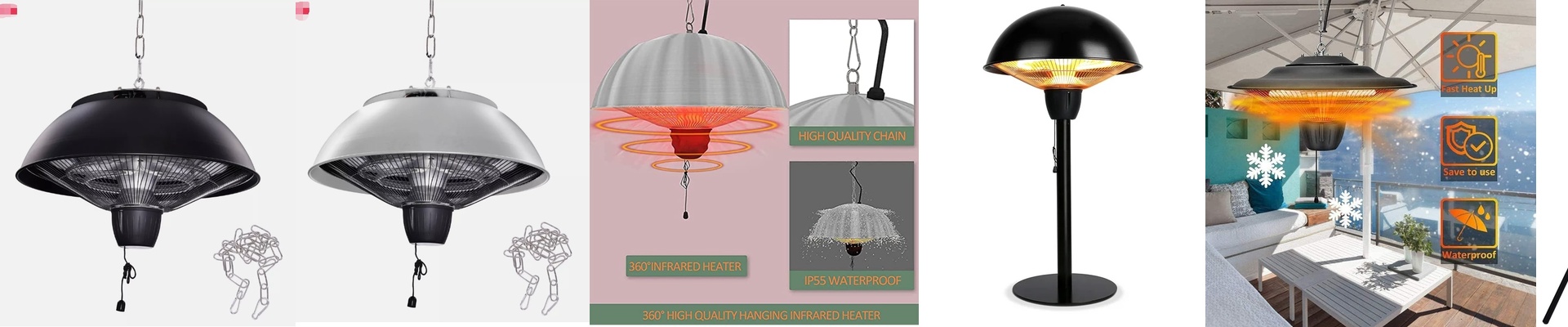
Putting an infrared heater in a bathroom isn’t as simple as just throwing a plastic cover over it. You’re mixing high-voltage power with a room that’s basically a steam box. To get that IPX5 rating, the heater has to handle water jets hitting it from any direction without letting a single drop touch the live wires. Because if it does? That’s a problem.
Getting the Insulation Right
We don’t take chances here. We use high-dielectric ceramic insulators to keep the heating element completely separate from the outer shell. Here’s the thing: in a steamy bathroom, water vapor can actually carry electricity. If your seals aren’t perfect, you get “tracking,” which is just a fancy way of saying electricity is leaking where it shouldn’t. To stop that, we use sealed quartz envelopes and moisture-resistant potting compounds right where the wires connect. And the wiring? We don’t use the cheap stuff. Standard wires crack after a few heat cycles, which opens the door for steam to get inside. That’s why we stick to high-temp PVC or silicone. It stays flexible and keeps the moisture out.
The Balancing Act: Heat vs. Water
There’s a tricky trade-off here. To keep water out, you want a tight seal. But if you seal everything too tight, the heat has nowhere to go. You end up cooking your own internal wiring, and the whole thing burns out. It’s a bit of a tug-of-war. We solve this by using heat-conductive gaskets. They keep the water out but let the housing breathe, so the unit doesn’t overheat itself.
A Few Tips for Installation
Even the best lamp can’t do all the heavy lifting. You’ve got to set it up right. First, always wire it into a GFCI breaker. It’s your safety net. If a seal wears out over time and something leaks, the power cuts instantly. Plus, make sure your mounting brackets are grounded to the building’s earth. You definitely don’t want the metal chassis becoming live. Just a few simple steps to make sure the only thing getting hot is the air in the room.