Stop Your Cleanroom Equipment From Overheating
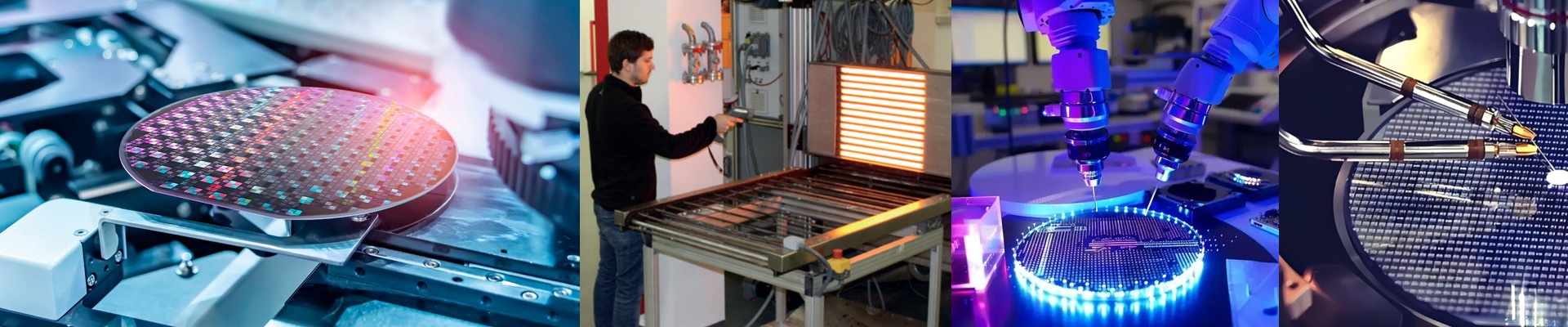
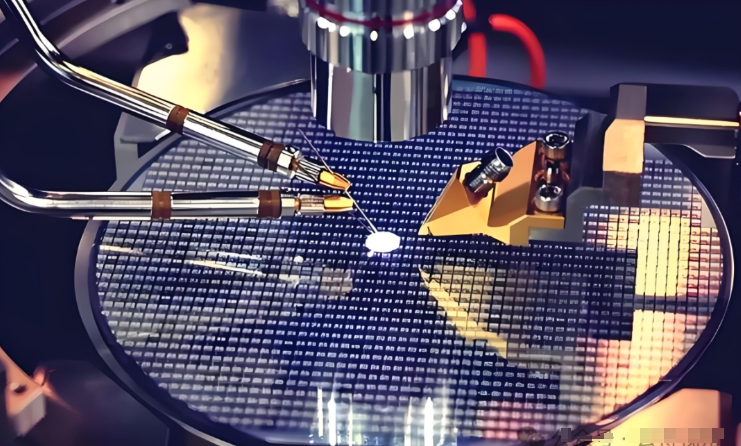
Most people just use convection heaters to warm things up. But in a semiconductor setup, that’s a recipe for a headache. Why? Because heat loves to wander. When you heat the air, everything gets hot. The internal walls of your machine start baking, which means your cabinet skins become dangerous to touch. Not to mention, it messes with the overall temperature of your cleanroom. It’s a mess. A better way to do it We’ve found that short-wave infrared (IR) lamps are the way to go. Think of it like a flashlight instead of a space heater. IR is radiative, meaning it travels in a straight line. You just point the lamp at the wafer or substrate, and the energy goes right where it’s supposed to. The air around it and the equipment walls stay pretty chill because they just don’t soak up that specific wavelength the way your target does. Getting the setup right You need a lot of power packed into a tiny space. That’s why we usually go with quartz-halogen tubes. They hit those high temperatures fast, so you don’t need some giant, clunky heating element taking up room. But here’s the trick: you have to nail the distance. If the lamp is too close, you’ll get hot spots that ruin your work. Too far, and you lose that “laser-focus” advantage. We usually throw in some reflectors to tighten the beam. It keeps the energy on the workpiece and stops it from bleeding into the chassis. The catch Nothing is perfect. These high-density lamps pull a lot of current and get incredibly hot—right at the source. Sure, your outer cabinet stays cool, but the lamp housing is taking a beating. You’ve got to make sure your cooling fans or water-jackets are up to the task. If your cooling slips up, your lamps are going to burn out way faster than they should. And for heaven’s sake, don’t use standard PVC wiring. It’ll melt. Stick with PTFE or fiberglass sleeves so your wires don’t turn into a puddle under the heat.