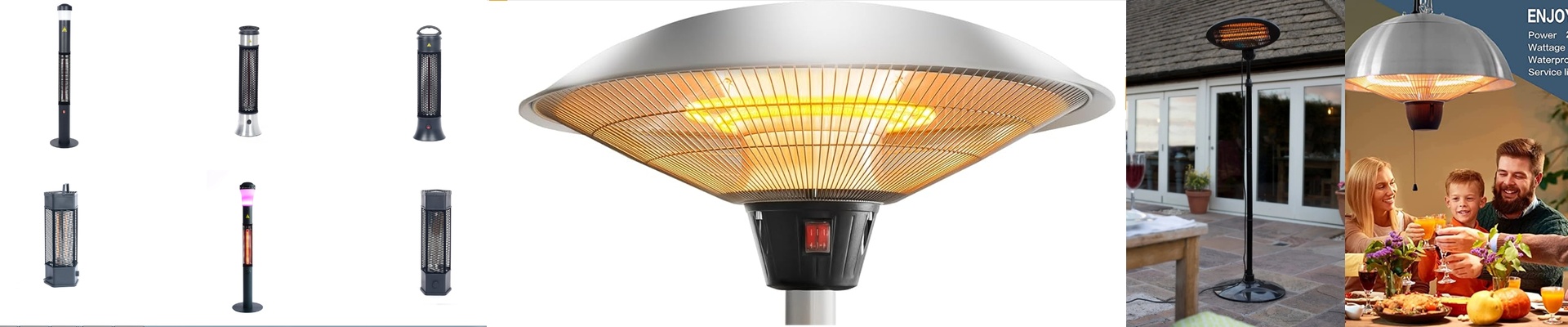
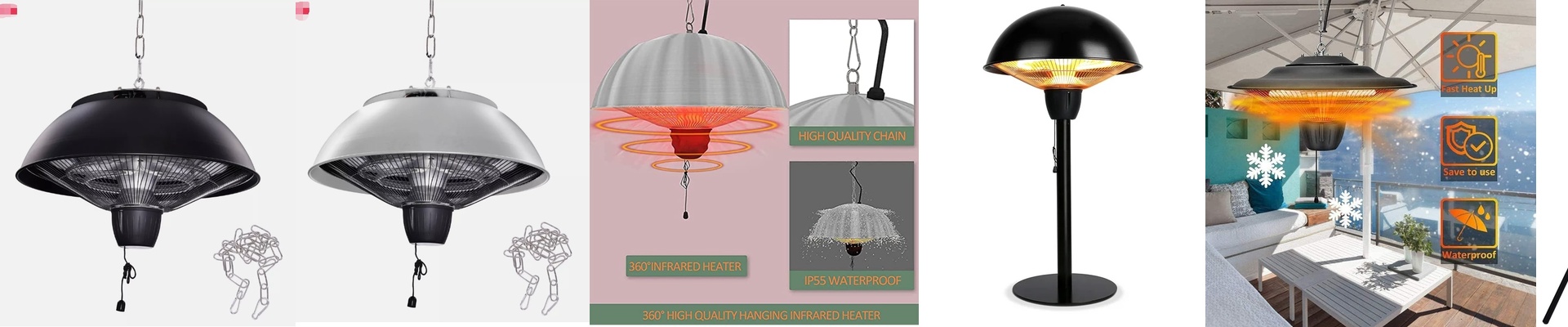
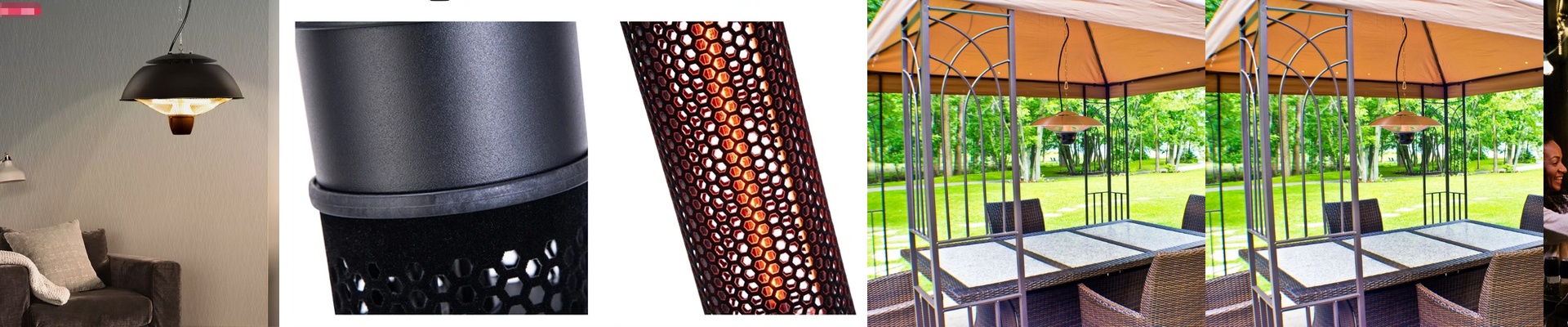
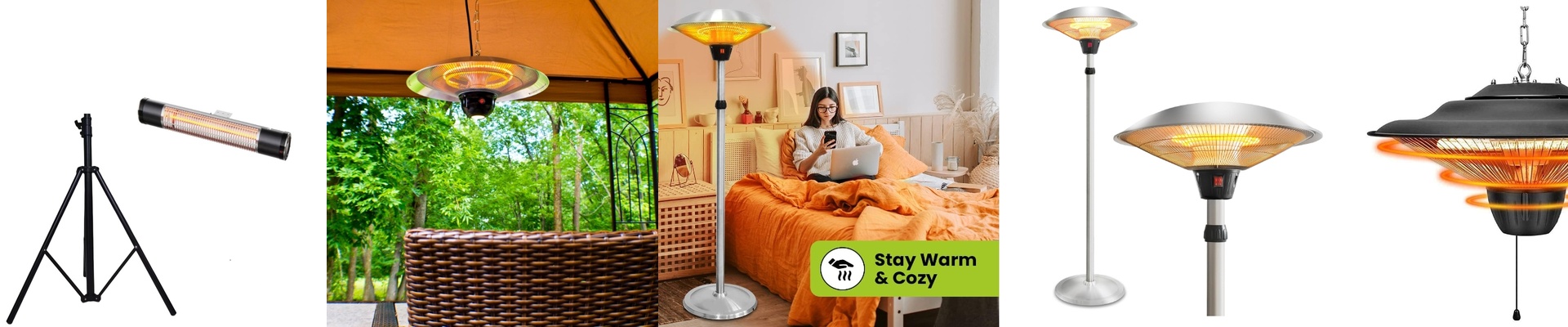
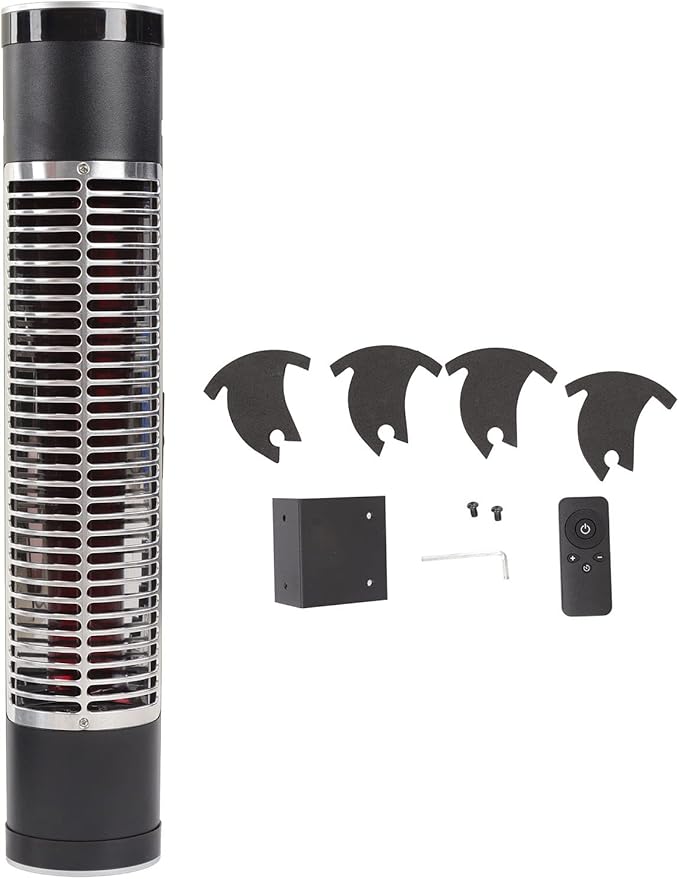
A nursery should feel quiet—not like a machine is running in the corner. When the night turns cool, a heater that whirs, clicks, or blasts air can startle a baby awake. It can also leave you wondering about dry air and oxygen levels. That’s why many pediatric and indoor-air folks point families toward an infrared heater for baby rooms: it puts out warmth without a fan, without combustion, and without pulling oxygen out of the space.
What matters under the hood
Infrared baby room heaters warm people and surfaces directly, the way sun warms your skin. Inside, you’ve got a radiant element—often a quartz tube or a carbon fiber filament—sealed inside a protected chamber. Heat leaves as infrared energy, not as a rush of hot air, so there’s no forced draft, no drying blast, and no ongoing oxygen consumption. A quiet thermostat holds the room at the set temperature, and the outer grill stays cool enough for a nursery. Tip-over protection adds a practical safety layer.
Why it fits a baby’s room
The payoff in a nursery is steadiness. Because the warmth is radiant, the unit doesn’t cycle on and off loudly, and it doesn’t kick up dust and allergens with a fan. No flame means no fuel-burning concerns, and the room air stays more balanced—no stuffiness, no sudden drafts. You get gentle, even warmth that helps keep your baby comfortable through naps and night sleep, while you can hear every soft breath.
What you need to get right
Placement matters. Keep the heater at least three feet from cribs, bedding, curtains, and toys, and follow the manual’s height and clearance guidance. These units perform best in rooms up to about 150 square feet; in larger spaces, size the heater for the area or pair it with gentle circulation. Infrared heat warms what it “sees,” so drafty walls or cold windows can affect comfort.Face the unit toward the main activity area, not directly at a cold surface.