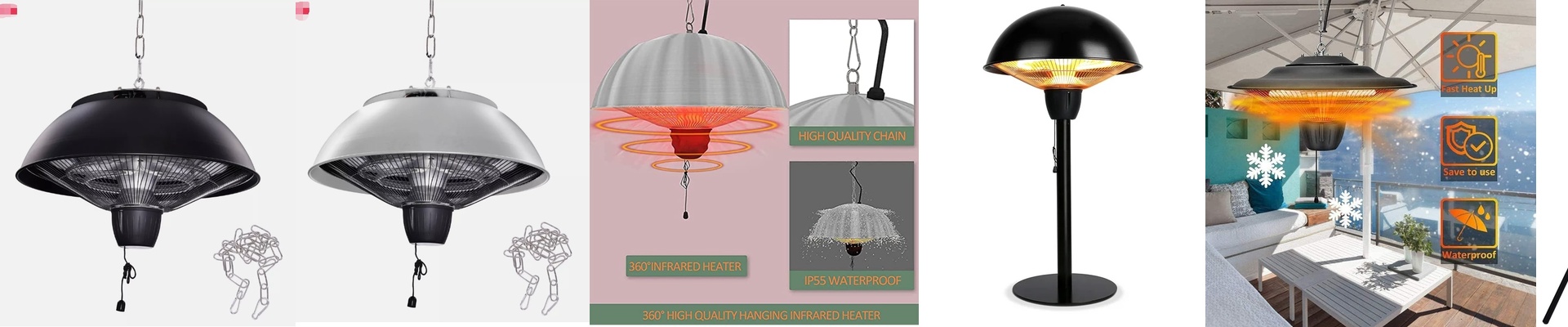
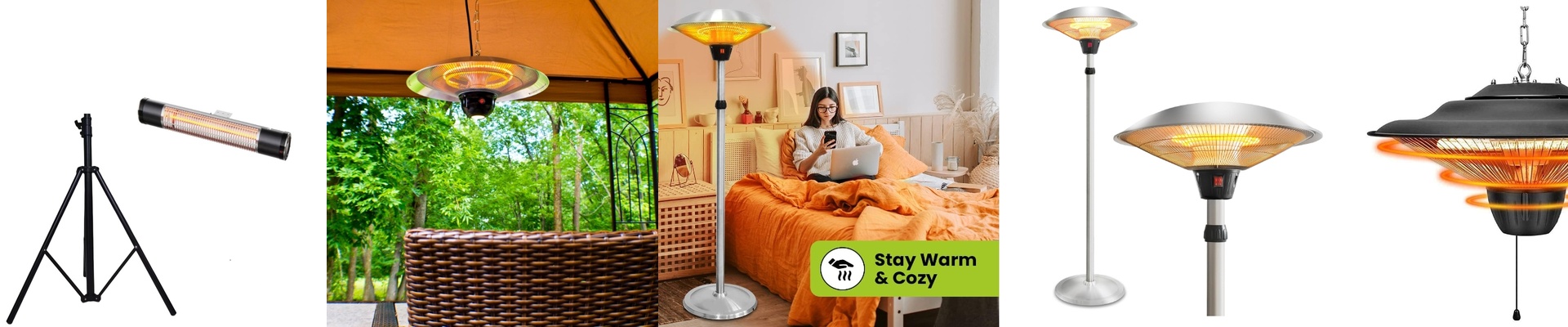
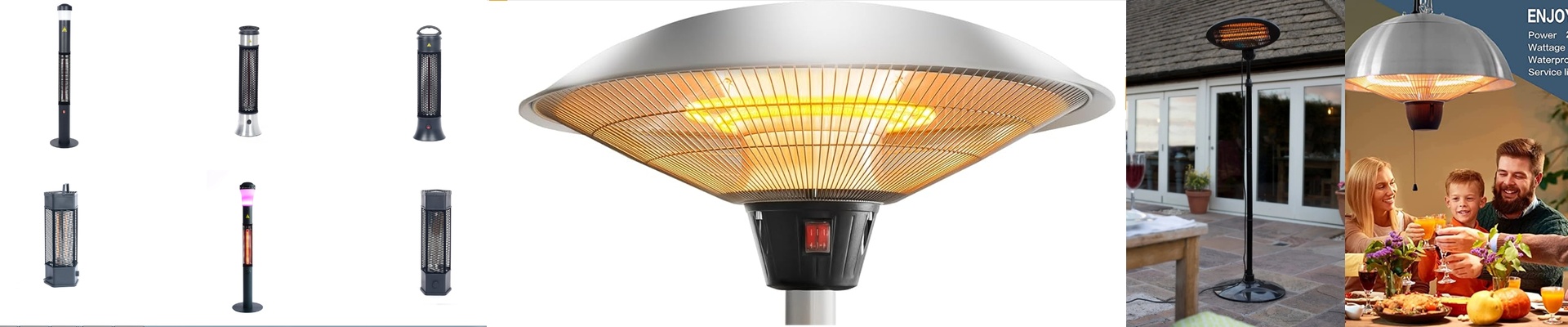
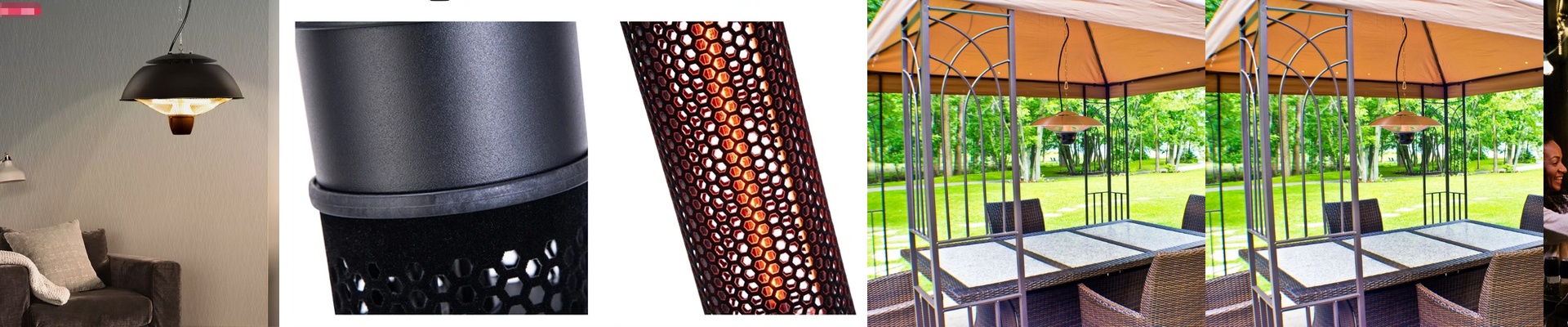
Cold evenings on the patio don’t just chase guests inside—they knot up muscles, stiffen joints, and turn a relaxing space into a chore. A wall-mounted outdoor heater changes that by delivering infrared warmth that feels like stepping into a sunbeam, even when the air is sharp.
What matters, technically
Infrared outdoor heaters work by radiating heat directly to people and surfaces, not by trying to warm the air. Many models run on a carbon fiber element or a quartz tube to produce short-wave and medium-wave infrared. That heat travels outward at the speed of light and gets absorbed by the body. The payoff is immediate warmth right where you need it, with no waiting around for a fan or convection cycle. For comfort, look for an adjustable thermostat and directional mounting hardware so you can aim the heat where you actually sit. In wet outdoor settings, an IP rating—often IP44 or higher—tells you it’s protected against splashing rain, and tip-over protection is a practical safety feature.
Why this approach works
Radiant heat warms you at the core, not just at the surface. That deep, even warmth helps circulation, relaxes tight muscles, and can ease the stiffness that shows up in knees, shoulders, and backs after long, chilly days. On the patio, it means you can linger—through conversation, a book, or a quiet night under the stars—without cutting the evening short because you’re uncomfortable. Because the heater targets the people in the space, it can be more efficient than trying to heat the entire volume of outdoor air. You get outdoor living without the feeling that you’re paying to warm the whole neighborhood.
The practical details you need
Installation is straightforward, but placement is where you earn your peace of mind. Mount the unit at a safe height and angle so the infrared beam covers the seating area without shining directly into eyes. Keep clearances from furniture, curtains, and anything flammable, and confirm your electrical circuit can handle the heater’s load. Most wall-mounted outdoor heaters plug into a standard outlet, but hardwired options may require professional wiring. Here’s the trade-off to plan around: infrared warmth is strongest along the line of sight, so you’ll feel the most comfort when seated within the main beam.