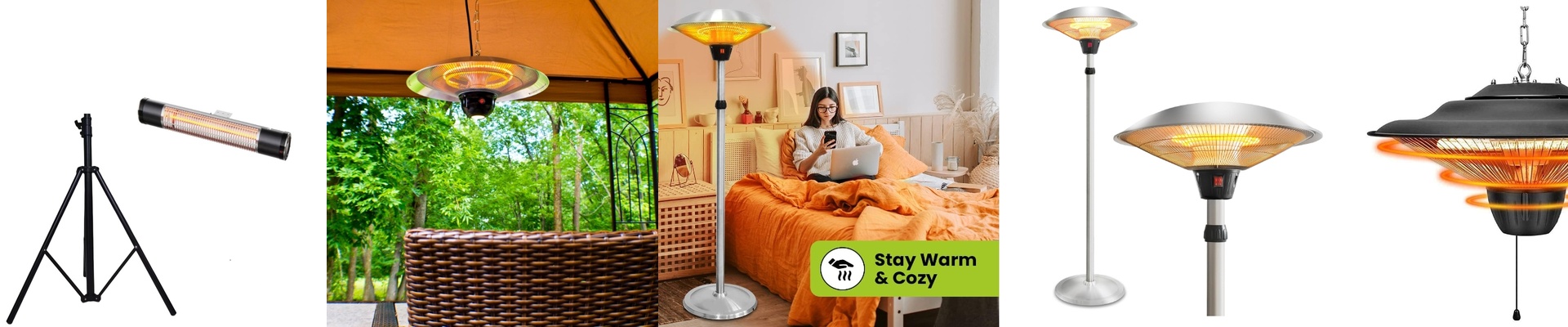
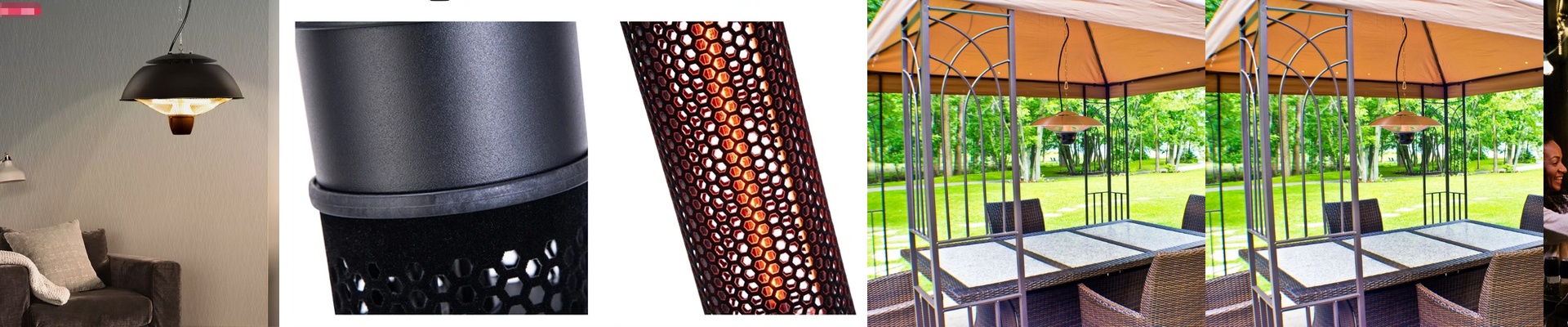
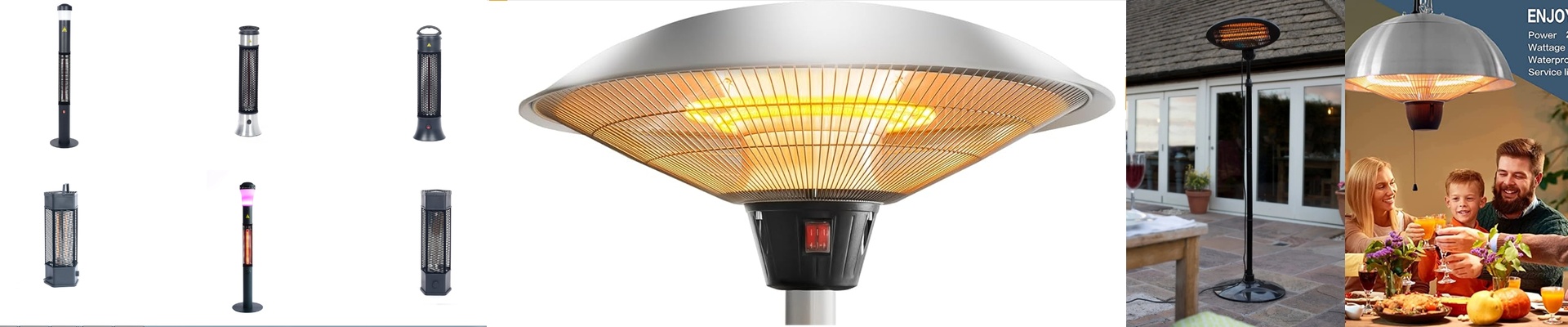

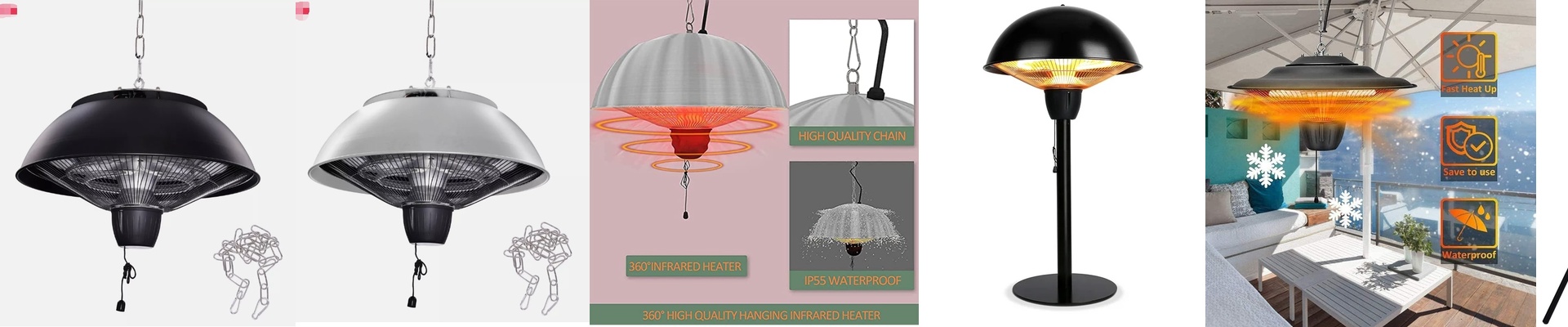
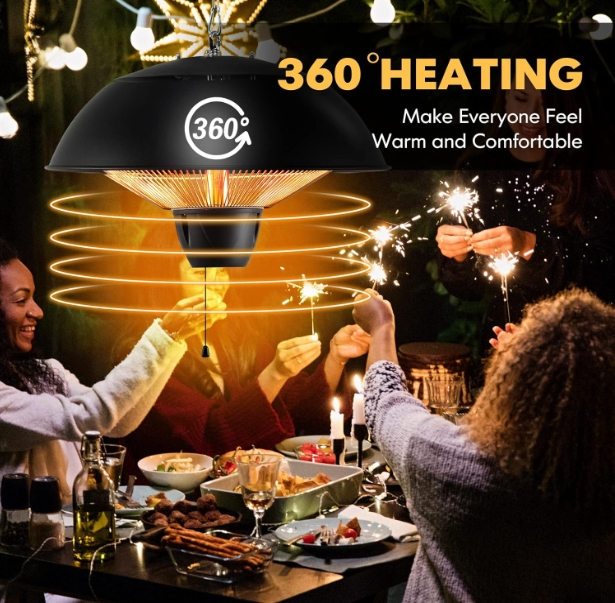
Cold evenings have a way of shrinking your patio, no matter how much you love being out there. Traditional heaters move hot air around, but you feel the chill again the second the wind shifts. Infrared patio heaters cut through that by warming people and surfaces directly—like the sun does—without noise, drafts, or wasted energy. What matters under the hood Infrared patio heaters rely on radiant heat, sending warmth out in a focused pattern. Many models use a carbon fiber element or a quartz tube to produce far-infrared output. That heat penetrates the air with minimal loss and starts warming skin and clothing on contact. Comfort hits fast—often within seconds of flipping the unit on. You’ll see specs like rated wattage (1,500W is common for stand-alone electric models), 120V plug compatibility for straightforward setup, and directional heating that targets seating areas instead of heating empty sky. Why it works for real outdoor comfort Outdoor comfort is less about the air temperature and more about how the heat feels on the body. Far-infrared warmth helps muscles relax by warming you from the outside in, which cuts down on the stiffness cold air brings. That matters on the patio, where people linger over conversation. With infrared, you get comfort right away—no waiting for the surrounding air to warm up. It also keeps the table, chairs, and nearby surfaces feeling warmer, so you can stay outside longer without constantly fiddling with the heater. What to keep in mind Aim infrared patio heaters at people and seating, not at open sky. For electric models, plug into a grounded outlet on a circuit that can handle the load, and keep the cord out of foot traffic. Most units include safety features like tip-over protection and an overheat cutoff, but the element still gets hot. Keep kids and pets at a safe distance. In windy conditions, position the heater to reduce direct exposure, and consider a shielded model to keep comfort consistent.