



You walk into the greenhouse expecting that steady, gentle warmth that keeps seedlings happy. Instead, the air feels thin, and the heater is clearly working harder for less payoff. Nine times out of ten, a thin layer of dust on the infrared element is the quiet culprit, quietly pushing up energy use and dragging performance down.
What actually matters under the hood
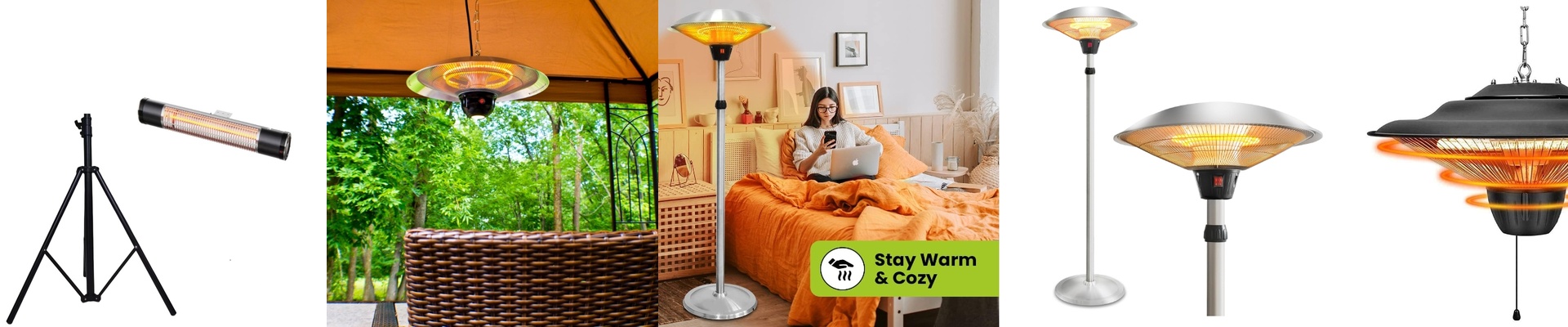
Infrared greenhouse heaters deliver radiant warmth that goes straight to plants, soil, and benches, instead of wasting time heating the air first. That cuts down on air exchange and helps keep humidity stable. Most units run on a carbon fiber or quartz element, paired with a reflector to focus heat where you need it. Look for models rated for damp environments, with an IP rating that matches greenhouse conditions, and a thermostat that keeps temperature swings small. In the real world, a well-maintained infrared heater holds steady output while using less energy than forced-air options that cycle on and off.
Why this approach fits a greenhouse
A greenhouse is a moving target. Doors open, vents cycle, and moisture is constant. Radiant heat keeps the thermal mass warm, so plants don’t feel the shock when cold air rolls in. Keep the heating element clean, and you get predictable output and shorter warm-up times. That translates to steadier growing conditions, fewer dips overnight, and lower energy bills. Clean reflectors and an uncoated element also last longer, so you replace fewer parts and keep the system running season after season.
The practical details you can’t ignore
Dust and moisture will affect performance. Wipe down the exterior housing and reflector with a soft cloth, and gently vacuum the element the way the manual says. Keep air intakes clear, and check the power cord for any signs of wear. One thing to keep in mind: infrared heaters warm objects directly, so make sure the beam pattern covers the growing areas that matter most. For best results, pair the heater with a reliable thermostat and position it to avoid direct contact with water and heavy condensation.