
Keeping Your Class 100 Cleanroom Actually Clean While Heating
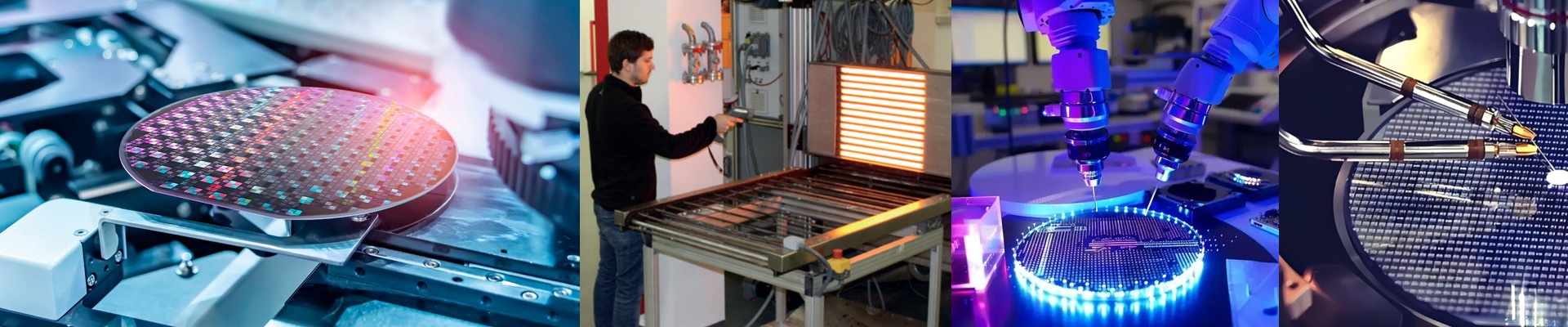
When you’re packaging smart sensors, “clean” isn’t just a goal—it’s everything. In a Class 100 environment, one tiny flake of oxidized metal or a single speck of dust is enough to trash an entire batch. It’s a nightmare. The problem? Most standard heating elements are basically particle factories. They outgas or shed bits of themselves every time they heat up and cool down.
Why we stick with high-purity quartz
To stop that contamination, we use high-purity synthetic quartz for our infrared lamps. Standard glass or the cheap stuff just can’t handle the thermal stress. Over time, those materials degrade and start “shedding” micro-particles right onto your production line. Not great. Our quartz is fused to handle rapid expansion without breaking a sweat. Plus, you get a clean, shortwave IR emission that hits your target directly. It doesn’t waste energy heating the air around it, which means you don’t get those annoying convection currents that kick up dust from the floor.
Fitting them in and managing the heat
These lamps are built for tight spaces. We dial in the wattage and voltage so the heat goes exactly where the sensor packaging needs it—nowhere else. But a heads-up on your cooling setup. Since these lamps pack a lot of energy into a small area, the ends get seriously hot. If you’re using cheap wiring, you’re asking for trouble. Stick with high-temp leads and make sure your chassis heat sinks are up to the task. If the cooling fails, you’ll likely end up with warped lamp mounts.
The bottom line for your yield
If you want to keep that Class 100 rating during a heat cycle, you have to kill the particle emissions. By stripping out the volatile organic compounds (VOCs) and metallic impurities from the build, we’ve made a lamp that doesn’t leak pollutants into your workspace. It’s a simple drop-in replacement that keeps your yield high and your certification safe.