

Getting More Heat Where It Actually Matters
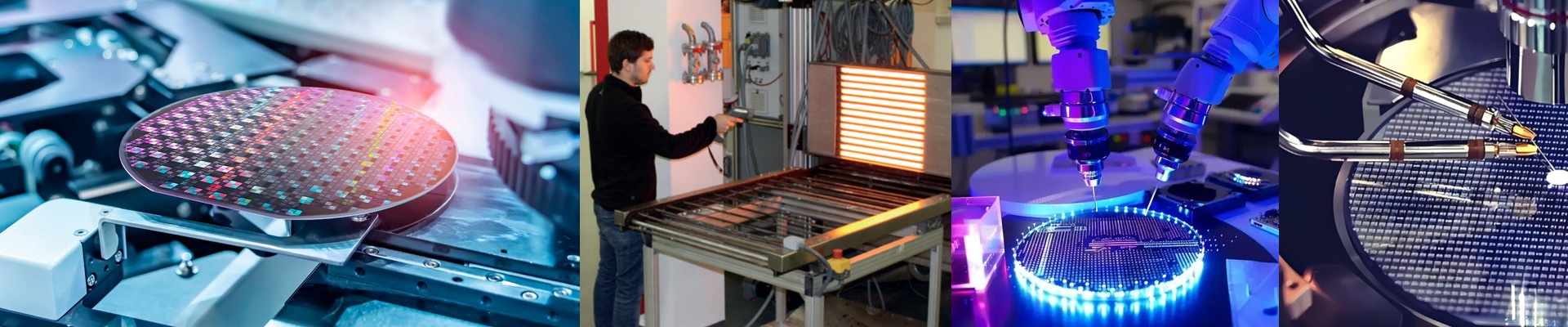
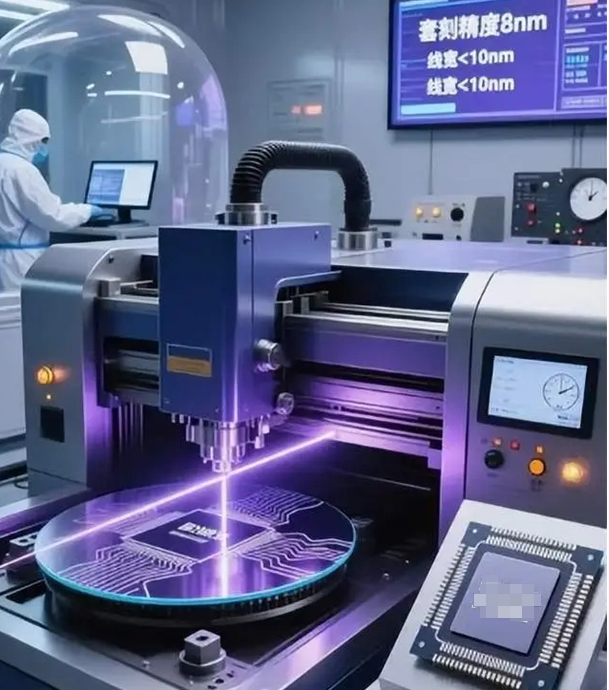
When you’re working in a vacuum, you’re fighting a losing battle with physics. You can’t rely on air to move heat around—convection just isn’t happening. You’re left with radiation, and that’s where things get tricky. Every single watt of energy that misses your wafer is just wasted heat. It’s a nuisance that your chillers and vacuum pumps have to sweat to get rid of. To stop that waste, we started putting gold-coated reflectors into our infrared heaters. Why gold? Most people start with aluminum, but the truth is that aluminum lets too much infrared energy slip through. Gold is different. It’s incredibly reflective when it comes to long-wave IR. Think of it as a high-precision mirror. Instead of the lamp throwing heat in every direction like a lightbulb in a room, the gold pushes all that energy straight toward the wafer. It’s a tighter focus. You hit your target temperature faster, and you don’t have to crank up the power to do it. The vacuum struggle Here’s the thing: in a vacuum, your lamp tube is basically on an island. It can’t “breathe” or shed heat into the air. If you just throw raw power at a small area, you’re going to fry the filament or crack the quartz. Not a good day at the office. We fixed this by tweaking the geometry of the reflector. It’s not about just making the lamp hotter—that’s a recipe for disaster. It’s about moving the energy more efficiently. We keep the lamp cool and safe while making the wafer feel the heat. The catch Now, I won’t tell you gold is a magic wand. It costs more. Your bill of materials is going to feel it. Plus, gold is sensitive. If your chamber has outgassing issues or leftover gunk, those particles will settle right on the gold surface. Once that coating gets cloudy, your reflectivity tanks and your heating becomes uneven. If you want this to work, you’ve got to be disciplined about your bake-outs and keep your chamber spotless. Keep the gold clean, and it’ll keep your process fast.