Why we’re ditching hot air for Digital IR
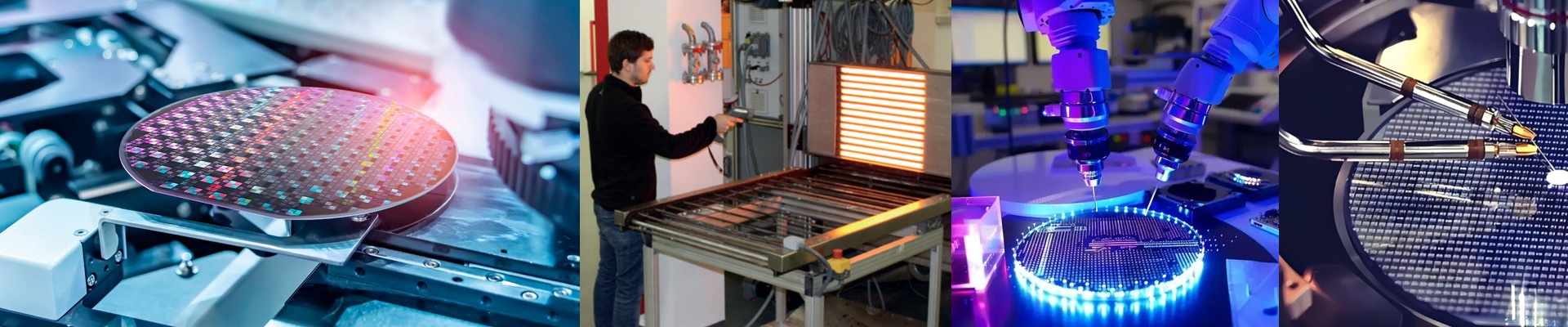
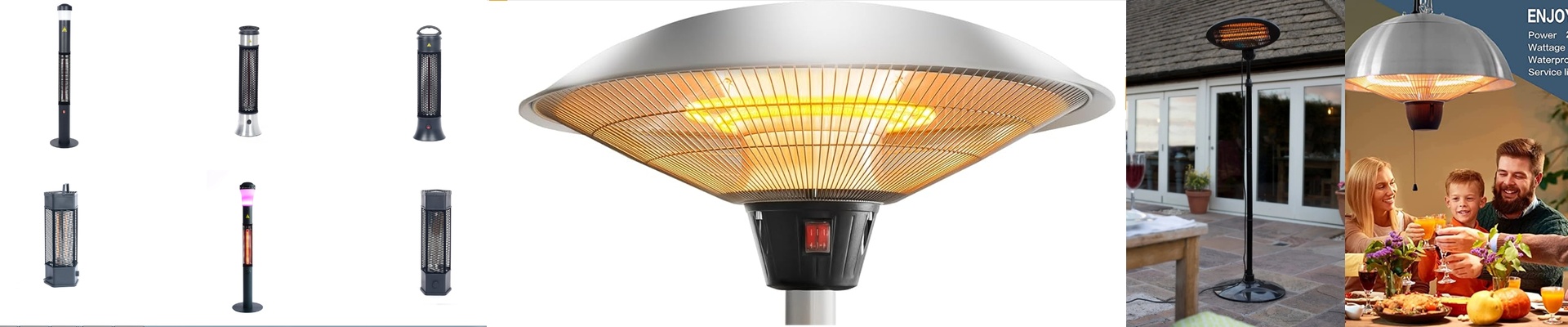
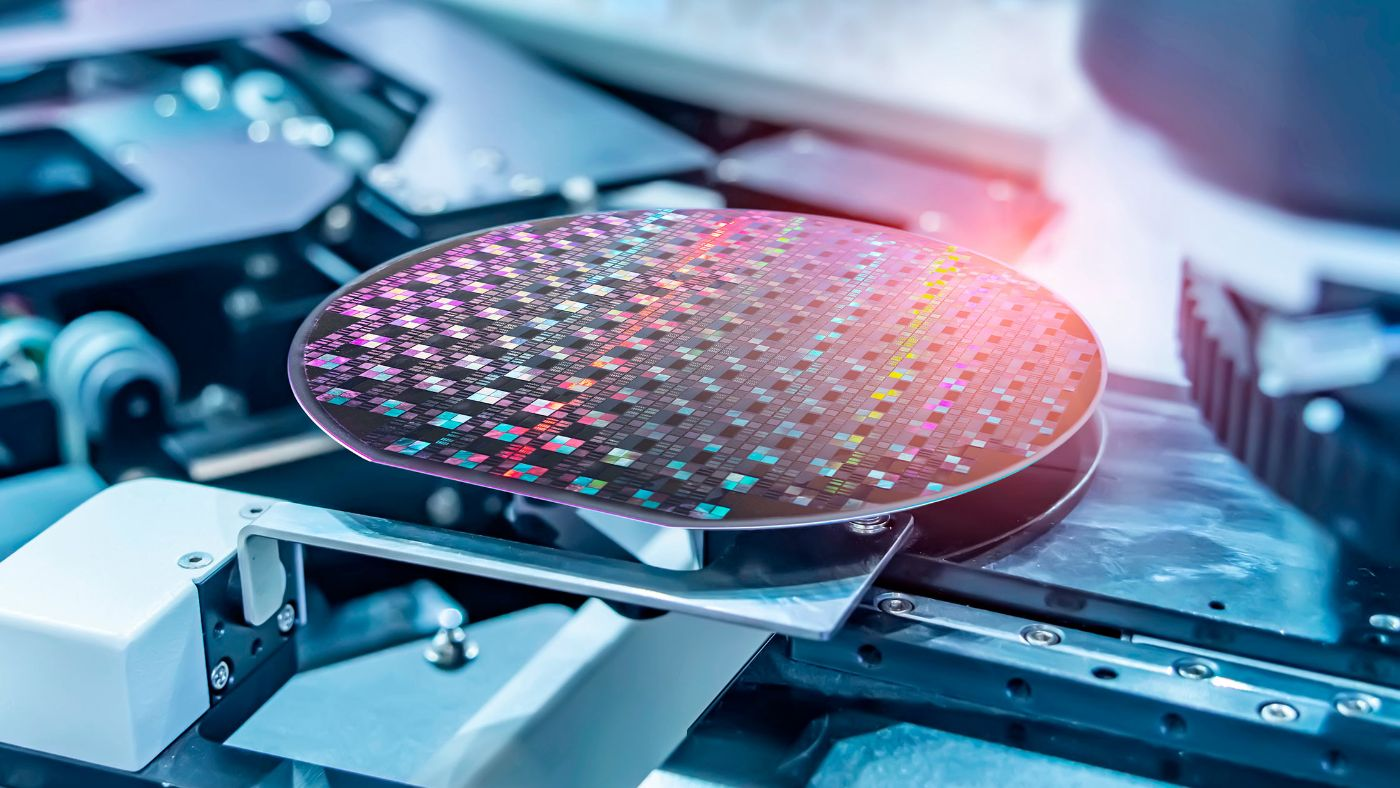
If you’ve ever used hot air circulation, you know the drill. You heat up the air, and then you wait for that air to heat up your part. In the world of semiconductor deep processing, that “waiting” is a killer. It creates this annoying time lag that slows everything down. That’s why we’ve moved to digital IR dryer controllers. Instead of messing around with the air, IR uses radiation to hit the substrate directly. It’s a shortcut. The hidden cost of waiting Convection is just slow. Period. You end up spending minutes just waiting for the oven cavity to get to a steady state. It’s a waste of time. IR lamps, on the other hand, hit target temperatures in seconds. When you’re setting up a digital IR controller, you’re basically just managing the duty cycle of the lamps so you don’t overshoot your temp. It cuts the “time cost” per wafer or chip, which means your parts actually move through the line. Dealing with thermal inertia Here’s the thing about hot air: once it’s hot, it stays hot. If your process starts to drift, you can’t just “turn off” the heat in the air. You’re stuck with it. Digital IR controllers fix this. We use PID loops and fast-switching relays to toggle the power. If a sensor picks up a temperature spike, the controller kills the power immediately. The heat stops the second the lamp goes dark. It’s a much more responsive way to work. The trade-offs Now, IR isn’t some magic fix for everything. Because the heat density is so high, you can run into hotspots if your reflectors aren’t lined up perfectly. You also can’t just toss these into an old hot air oven and expect them to work. You’ll need to map out your thermal zones and make sure your cooling fans can handle the radiant heat bleed. But for the engineers moving from batch drying to inline IR tunnels? That’s where the real win is. You stop waiting for the air to warm up and start timing your process by the second. If you’re trying to scale your throughput, this is just how it’s done.