
Stopping the Energy Leak in Semi Thermal Processes
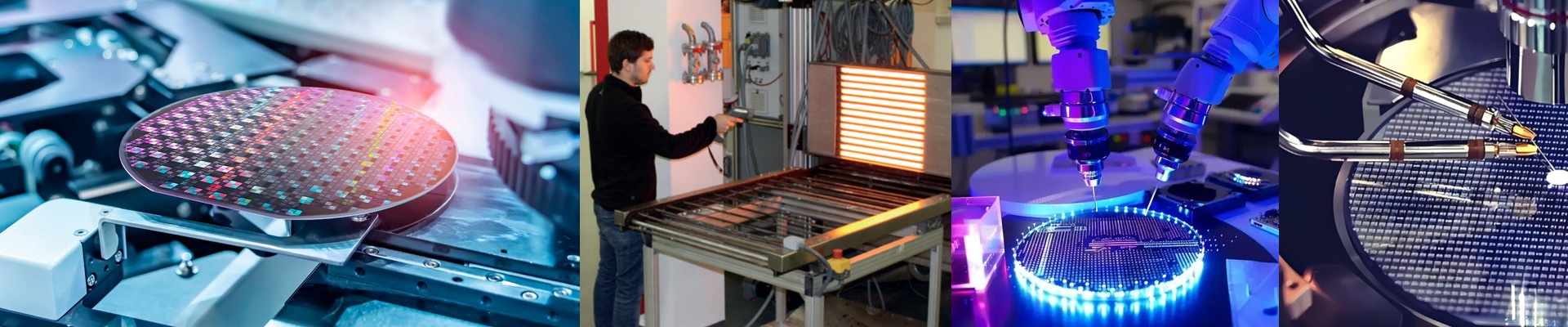
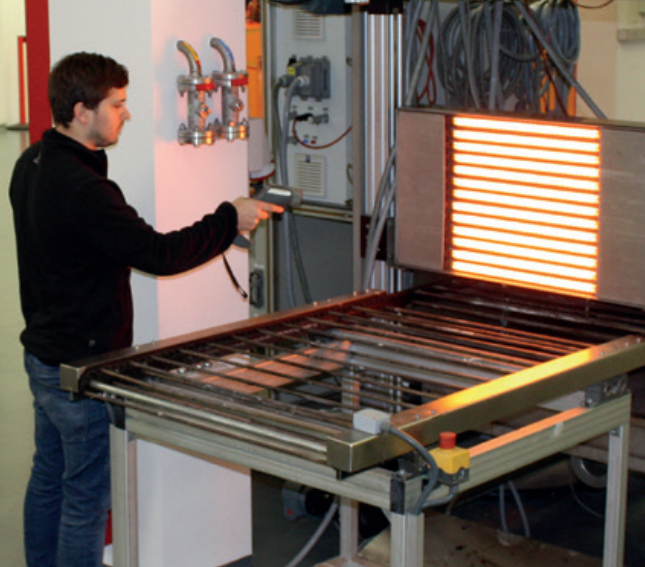
Let’s be honest: old-school clean room ovens are basically giant heaters that try to warm up the entire world just to get a few wafers to the right temperature. You’re heating the air, the walls, the ceiling—everything except the part that actually matters. It’s a massive waste of power. That’s why we’re moving toward infrared (IR) heating. Instead of heating the room, you just hit the wafer or substrate directly. It’s a cleaner, smarter way to work. The magic of targeted heat IR is all about radiation. Think of it like the sun hitting your skin on a cold day; the air is still freezing, but you feel the warmth instantly. Because we aren’t waiting for a huge cavity of air to heat up, the lag time just disappears. Everything ramps up faster. Depending on what you’re working with, we usually go with short-wave or medium-wave emitters. If you’ve got thick substrates, short-wave is the way to go because it sinks deeper into the material. For thin-films, medium-wave gives you that gentle, controlled surface heat. Either way, you’re using fewer kWh per wafer. Your carbon footprint shrinks, and your energy bill looks a lot better. Dealing with the clean room headache We all know the drill in a clean room: one speck of dust and the whole batch is toast. To keep things pristine, we wrap the lamps in quartz. No flaking, no contaminants, no drama. We pair those with high-precision PID controllers so you don’t have to worry about accidentally frying your components. But here is a heads-up: keep an eye on your power density. These IR arrays put out some serious heat. If your cooling jacket isn’t up to the task, that radiant heat can bounce off the substrate and start warping your oven chassis or tripping sensors. It’s a powerful tool, so you have to respect the heat. The real-world payoff The best part? You get your floor space back. You can ditch that hulking convection oven for a compact IR tunnel. It’s a win-win. You save space, and your HVAC system doesn’t have to work overtime to cool down a room that’s being blasted by a giant oven. It’s the easiest path to actually running a “Green Factory” without sacrificing your output.