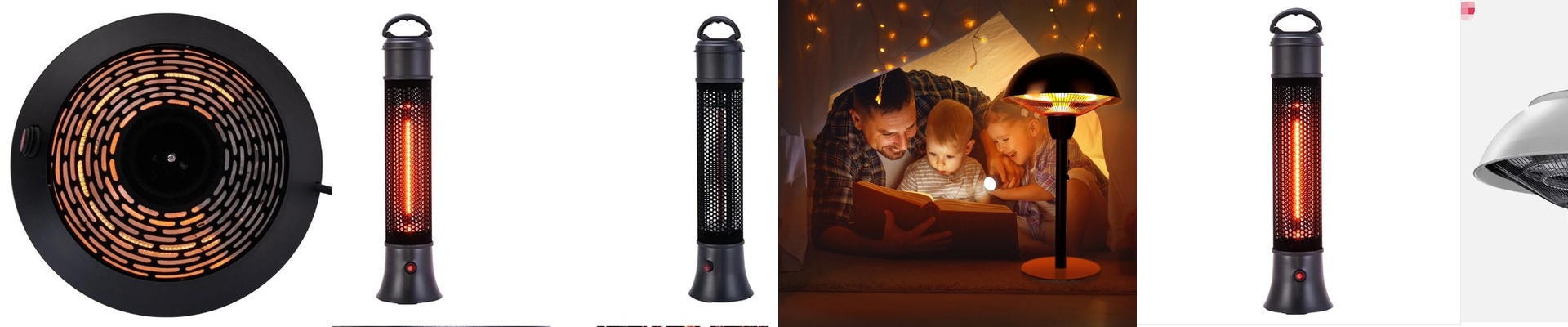


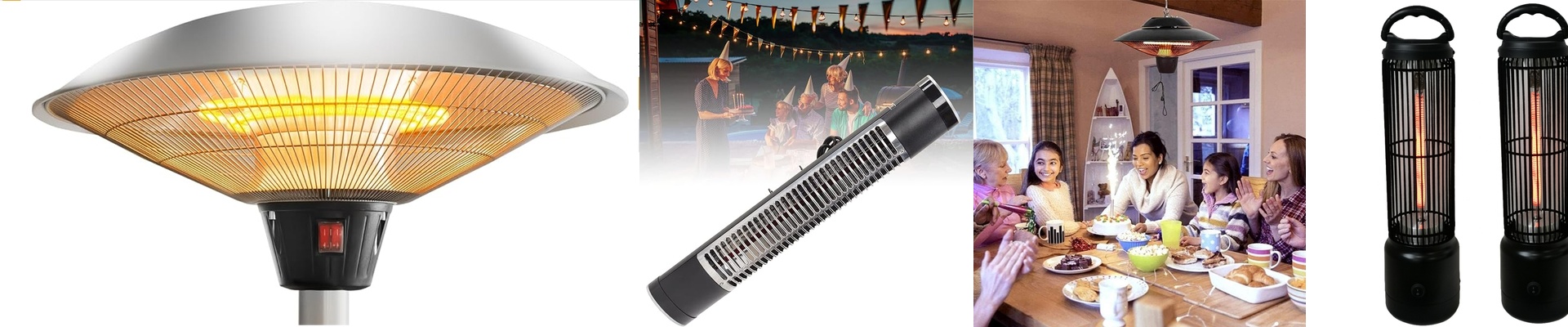
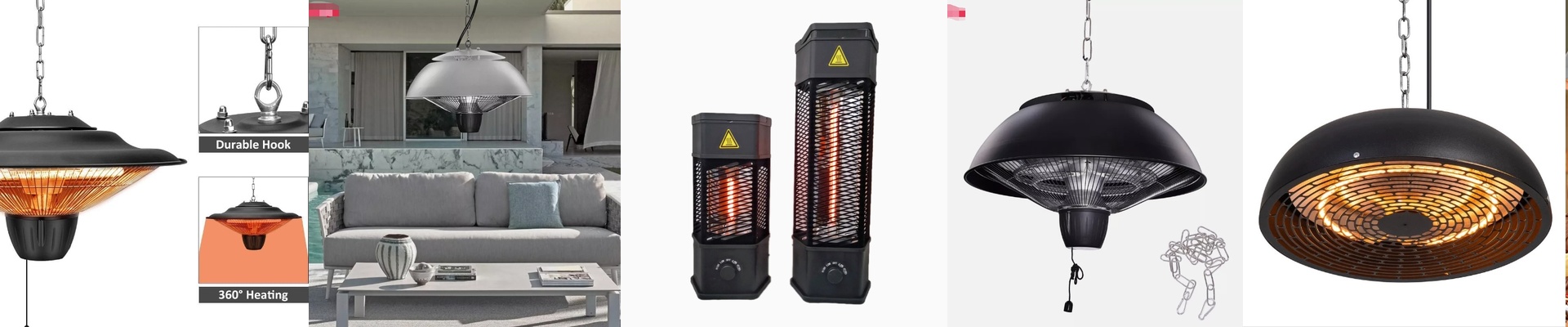
Getting Your MEMS Wafers Dry Without the Headache
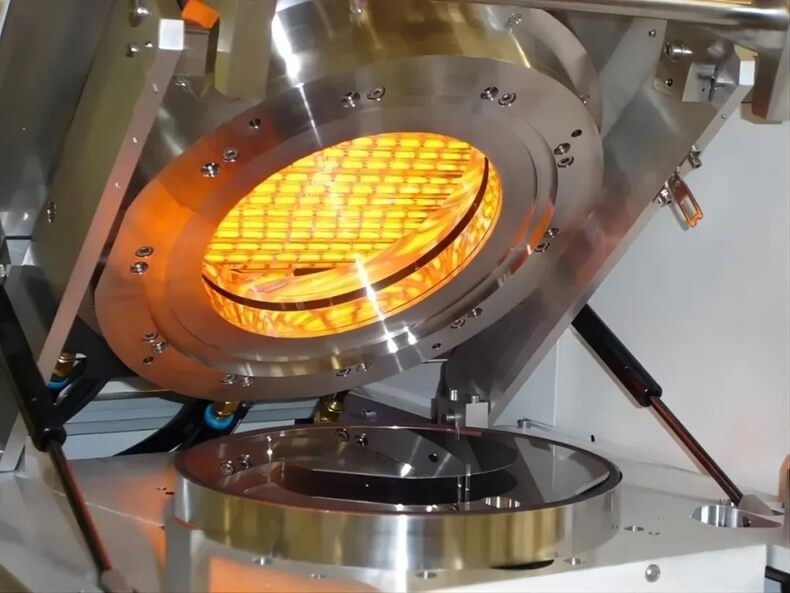
When you’re making MEMS sensors, the last thing you want is a stray drop of moisture or a smudge of solvent ruining a wafer. But you can’t just blast them with heat—you’ll stress the material and end up with a mess of residues. That’s why we lean on short-wave infrared (IR) heaters. Instead of wasting time heating up the air around the wafer, IR sends energy straight into the substrate. It’s direct. It’s clean. No chemical catalysts, no fuss. How it actually works Think of it as a targeted strike. The heater sends out photons that the water molecules just soak up, which makes the liquid evaporate almost instantly. The best part? There’s no air blowing around. If you’ve spent any time in a clean room, you know that airflow is basically a delivery system for dust and particles. IR is a “dry” process. You don’t need hazardous fluxes or lead-based solders just to get the heat to move. It just happens. Saving power (and your sanity) This is where it gets really satisfying. You know those massive thermal chambers that take an hour to pre-heat? Forget about them. With IR lamps, you hit your target temperature in seconds. It’s a huge relief for the electric bill—we’re seeing a massive drop in kWh per wafer compared to those old-school thermal tunnels. Plus, you stop dealing with those nasty VOC emissions that come with chemical drying agents. It’s just a cleaner way to work. The trade-offs Now, it’s not magic. There is a catch. IR is line-of-sight. If your wafer carrier has a weird shape or deep pockets, you’re going to get shadows. You’ll end up with “cold spots” where the heat just can’t reach. You have to be smart about how you space your lamps. If you try to fix the cold spots by just cranking up the power, you’ll likely cook the edges of your wafers. It takes a bit of planning to get the array just right. We designed these systems to slide right into the spot where your old, power-hungry units used to sit. Just a heads-up: make sure your power supply can handle that initial surge when the lamps first kick on. Once they’re running, you’re golden.