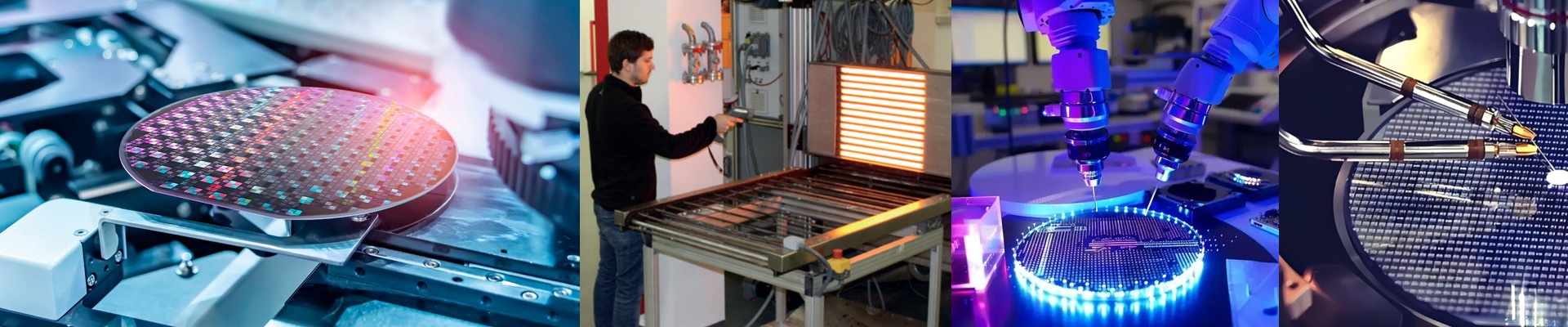
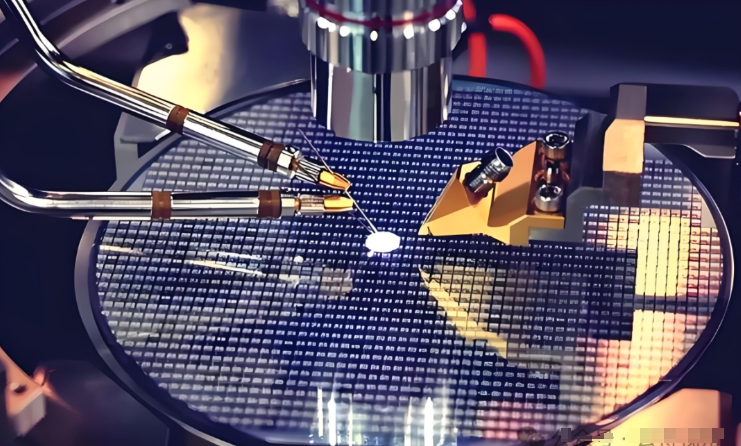
On the fab floor, moisture sitting on the wafer surface can move your critical dimensions after exposure. Uncontrolled humidity? That’s a one-way ticket to photoresist adhesion problems, right when you’re trying to hold the bake profile in soft bake and hard bake. The wafer moisture removal heater lamp cuts that off at the knees—fast, clean heat that settles the wafer before lithography and keeps the thermal story consistent through the bake cycle. What matters under the hood We built the lamp around short-wave infrared elements in a quartz envelope, so the energy couples straight into the wafer without roasting the surrounding hardware. You get wafer-level thermal uniformity of ±0.1°C across the active area, and the ramp profiles repeat cleanly so the thermal budget stays inside spec. Zero particle generation comes from a sealed path and cleanroom-compatible materials, so it plays nice in Class 1–100 environments. It runs 24/7 with low drift, and lamp output stays stable over thousands of hours—fewer surprises, less unplanned downtime. Why it plays in real production Put the wafer under the lamp, drive off surface moisture quickly, then step into soft bake and hard bake with tighter control over photoresist thickness and profile. The payoff shows up as better overlay accuracy and improved etch selectivity, while you cut rework driven by adhesion defects and standing wave issues. Because the lamp heats only the target, energy use drops. Consistent temperature control also widens the process window. You end up turning lots faster without giving up yield. What you need to get right The lamp drops into existing tracks and bake plates, but you still have to dial in focal distance and intensity for the wafer size and the photoresist stack. Plan a short commissioning run to map the thermal profile and lock down the ramp rates for your soft bake and hard bake recipes. Once it’s set, the process repeats with minimal operator intervention.