Stop Letting Moisture Kill Your Infrared Lamps
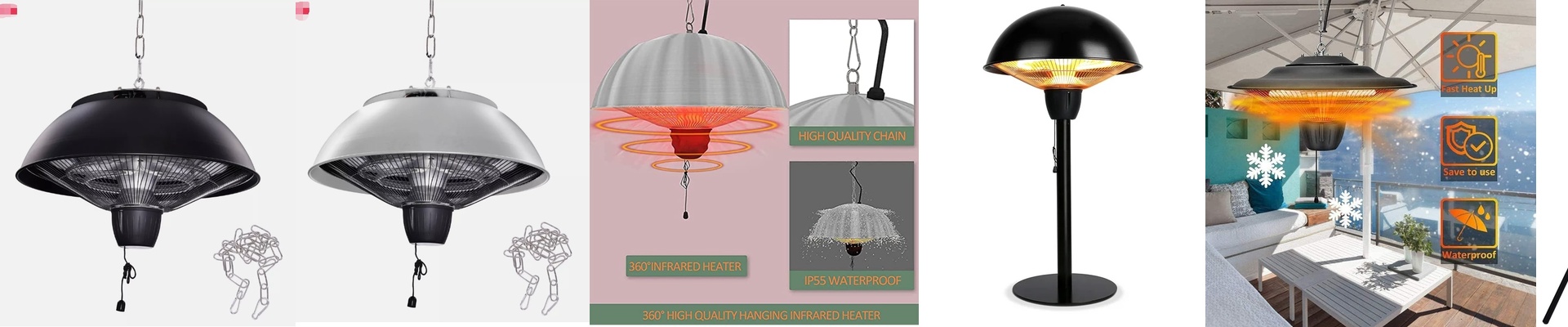
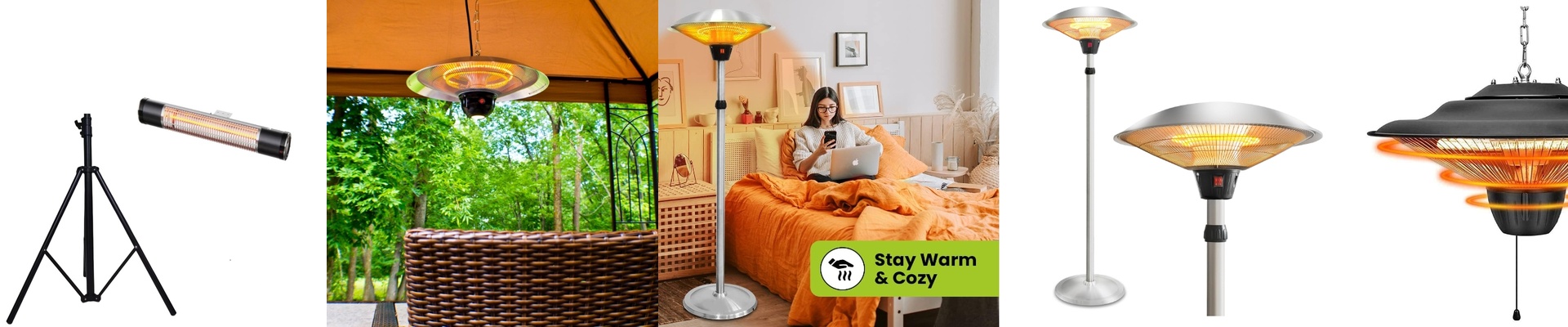
We all know the deal: water and electricity are a nightmare pairing. If you’re running industrial table heaters, you’ve probably seen it happen. A bit of splash here, some condensation there, and suddenly your infrared lamps are fried. It’s frustrating, it’s expensive, and it kills your momentum. That’s exactly why we built our new waterproof heaters. We wanted to stop those failures before they even happen. Dealing with the splashes Most standard lamps just leave the connections and the quartz tube out in the open. It’s basically an invitation for liquid to get in. Once water hits those terminals, you’re looking at short circuits or rusted-out contact points. We fixed this by sealing those sensitive spots with high-temp gaskets and waterproof housings. It keeps the wiring dry. Now, your heater can actually handle a damp environment without tripping your breakers every other day. The problem with the “fog” Fogging isn’t just annoying to look at. When moisture clings to a scorching hot infrared tube, it creates these weird, uneven hot spots. That kind of thermal shock is what cracks the quartz glass. To stop that, we used a mix of surface treatments and better airflow. It keeps the element clear, which means the heat spreads evenly across your table instead of hitting in patches. The honest trade-off I’ll be straight with you: adding waterproof housings and anti-fog shields makes the unit a bit bigger. You can’t just slide these into a tiny gap designed for a bare lamp. You’ll likely need to tweak your mounting brackets to make room for the casing. It’s a small price to pay for the peace of mind, but it’s something to keep in mind during setup. Why it actually lasts longer When you keep water away from the energized parts, you stop the corrosion that usually eats these lamps alive. The hardware isn’t fighting a losing battle against moisture. It’s pretty simple. Fewer replacements. Less downtime. You wire it up once, and it just keeps working.