


Getting Your Thermal Data Right in the Smart Fab
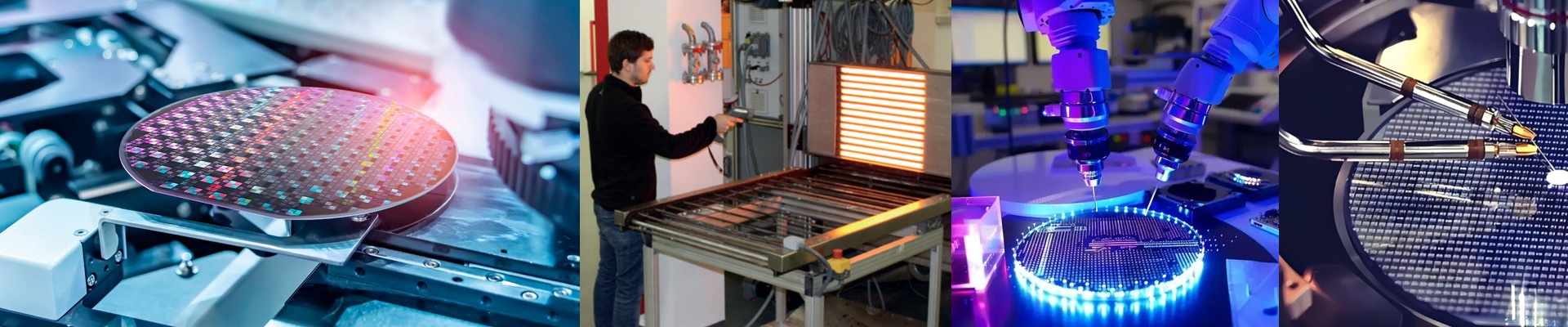
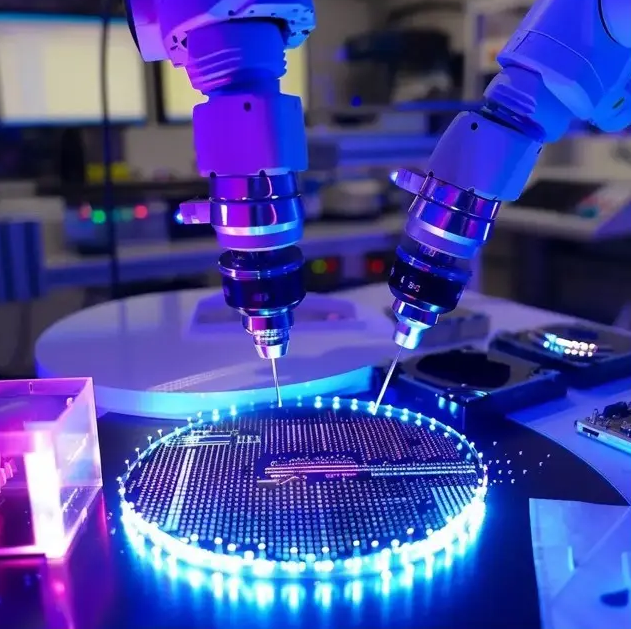
If you’re building out a smart Fab, the first thing you’ve got to do is ditch the contact sensors. Seriously. In a high-throughput wafer tool, you just can’t deal with the lag. Plus, sticking a physical probe into the mix is basically asking for contamination. That’s why we lean on infrared (IR) systems. They let you grab real-time thermal data without ever touching the wafer, and the stream flows right into your PLC or SCADA. It just works.
Why we use IR for mapping
Here’s the deal: wafer processing is all about uniformity. If you’ve got a few degrees of variance across a 300mm surface, you’re looking at a ruined batch. IR sensors pick up the radiation coming off the surface and turn it into a temperature reading instantly. The best part? There’s no “thermal mass” to warm up. Unlike a thermocouple, which takes its sweet time to react, IR gives you the surface temp now. It’s fast. Really fast. And that means your control loop can catch a temperature spike before it becomes a disaster.
Making the data actually useful
A sensor is great, but it’s only the start. For a truly smart setup, you need that data to move. We set these systems up to spit out digital signals that fit right into your Industry 4.0 workflow. You end up with a continuous log of every single wafer’s thermal profile. It’s a lifesaver for maintenance—you can actually see your heating elements starting to drift and swap them out before they totally burn out on you.
The tricky parts (because nothing is perfect)
Now, IR isn’t some magic fix. You have to be careful with emissivity. If the surface reflectivity shifts during a process step, your readings will drift. You’ve got to calibrate the sensor for the specific material you’re running, or you’re just looking at fake numbers. And then there’s the line-of-sight issue. If process byproduct builds up on the lens, it blocks the signal. Your numbers will tank. The fix is simple: just keep your purge gas flows dialed in. Keep that lens clean, and you’re golden.