
Stop Wasting Your Heat
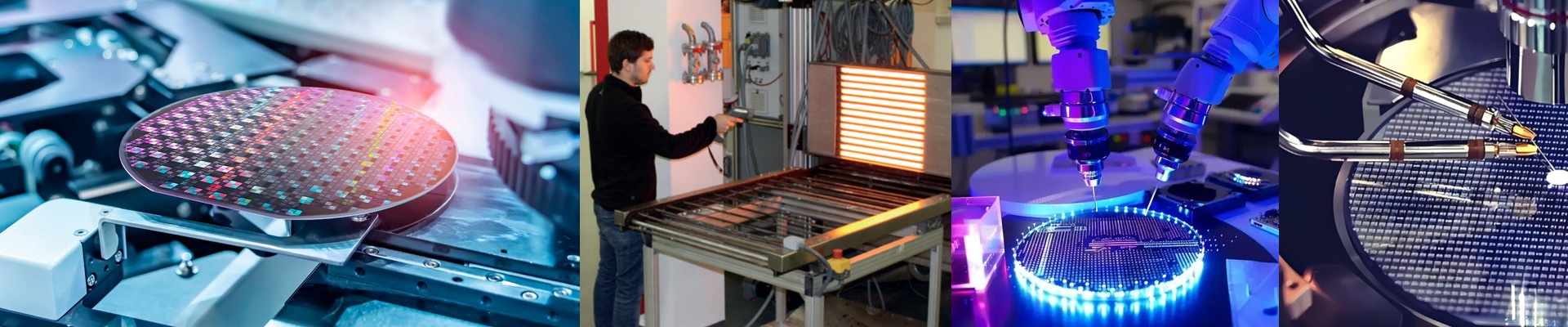
When you’re heating a wafer in semiconductor processing, you’re basically fighting a losing battle with physics. Most of the energy coming off a lamp just… wanders. It heads in every direction possible, and a huge chunk of your expensive wattage ends up heating the housing instead of the silicon. It’s a waste. And it’s frustrating. Why we use gold We use gold coating on the reflectors for a simple reason: it’s the best at bouncing infrared light. Sure, aluminum is cheaper, but it oxidizes. It gets dull. It loses its edge. Gold doesn’t do that. It stays sharp and pushes almost all that long-wave radiation right back where it belongs—onto the wafer. But this isn’t just about the electric bill. It’s about control. By getting the curve of that gold reflector just right, we can focus the energy. You hit your target temperatures faster. You get a thermal profile that actually stays tight across the silicon, which is where the real magic happens. The trade-off Here is the thing: when you increase reflectivity, you have choices. You can dial back the wattage to save power while keeping the same temperature. Or, you can keep the power cranked and absolutely slash your ramp-up times. But watch your cooling. When you jam that much energy into a tiny footprint, things get hot. Fast. If your chassis cooling isn’t ready for that kind of intensity, you’re going to bake your surrounding electronics or see your sensors start to drift. Getting it on the floor We built these to be easy. They’re basically drop-in replacements for your current heating arrays. You wire them into your existing power supply and you’re good to go. You’ll notice the difference immediately—the wafer hits temp in a fraction of the time. Just a heads-up: check your thermocouples. Because the heat transfer is so much more aggressive, your PID loops might overshoot if they aren’t tuned for this kind of speed.