
Stop Waiting on Your Oven: Why IR Beats Hot Air in Semi Processing
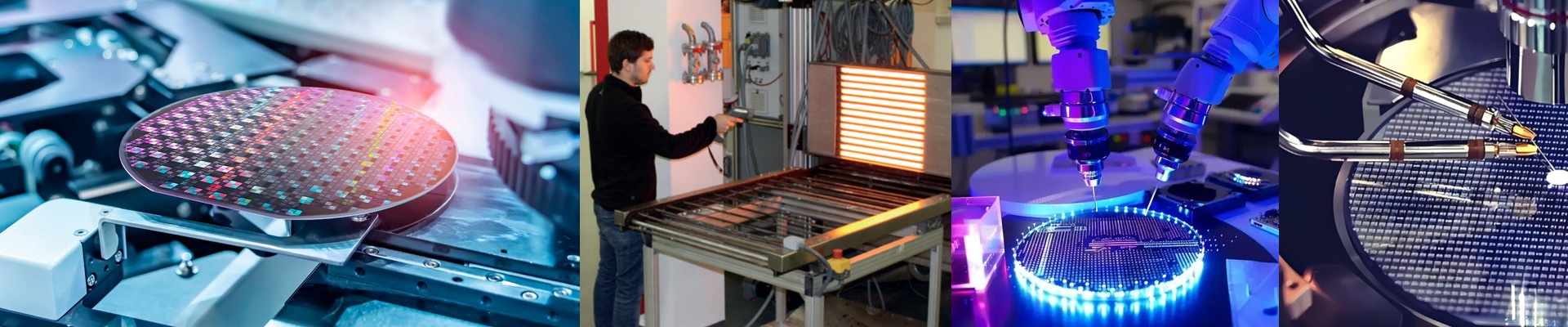
I still see plenty of semiconductor lines leaning on hot air circulation. It’s common, especially in older setups, but man, the lag is brutal. Air is just bad at moving heat. You end up sitting there, wasting precious minutes waiting for the chamber to warm up, and then waiting again for that heat to actually soak into the wafer. It’s a slog. The shortcut? Infrared. Think of it like the difference between waiting for a room to warm up and stepping into direct sunlight. IR doesn’t mess around with a middleman. It sends electromagnetic waves straight into the workpiece. Because you’re targeting the material instead of heating up a giant box of air, your ramp-up time plummets. If you can shave just 30 seconds off a heating cycle per batch, you’re looking at hundreds of hours saved every month. That’s a lot of time you get back. A quick word on the wiring. Here’s a detail people often overlook: high-density IR heaters get incredibly hot. If you use standard PVC wiring, it’ll melt or start off-gassing, which is a nightmare in a clean environment. That’s why we stick with Teflon (PTFE) coating. It handles the heat without breaking a sweat. Plus, in those tight setups where wires are practically hugging the heater casing, Teflon prevents the kind of electrical shorts that lead to a total production burnout. Cheap wires are a gamble you don’t want to take. The catch. Now, IR isn’t a magic wand. It’s directional. If your parts have weird shapes or deep pockets, you’ll run into “shadowing”—basically, if the light can’t “see” the surface, it won’t heat it. You have to be smart about where you place the lamps so you don’t end up with cold spots. And since you’re packing a lot of heat into a small space, make sure your cooling fans are up to the task. You don’t want your surrounding electronics frying while your wafer is heating. But for most lines? Switching to IR is just the smartest way to kill the downtime and actually get more throughput.