Stop the Mold Before it Starts: A Better Way to Heat Your Bathroom
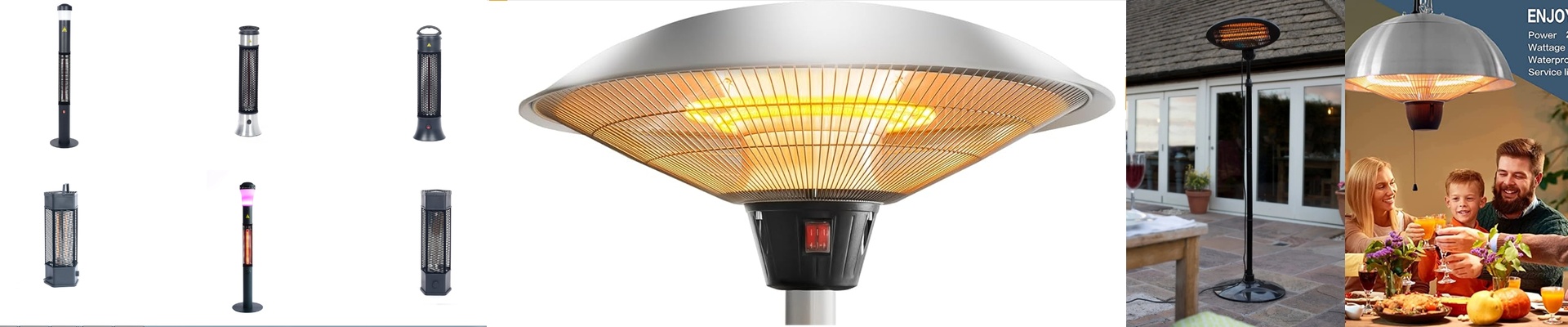
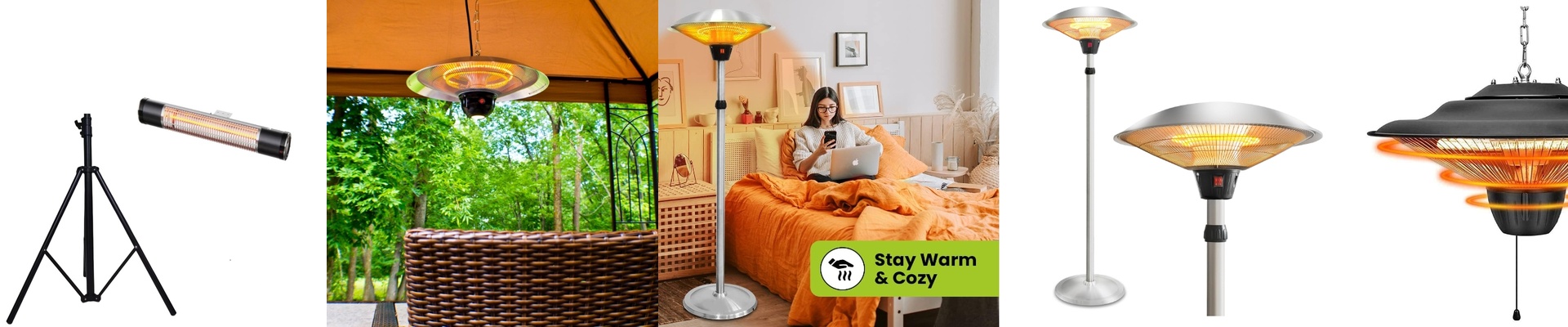
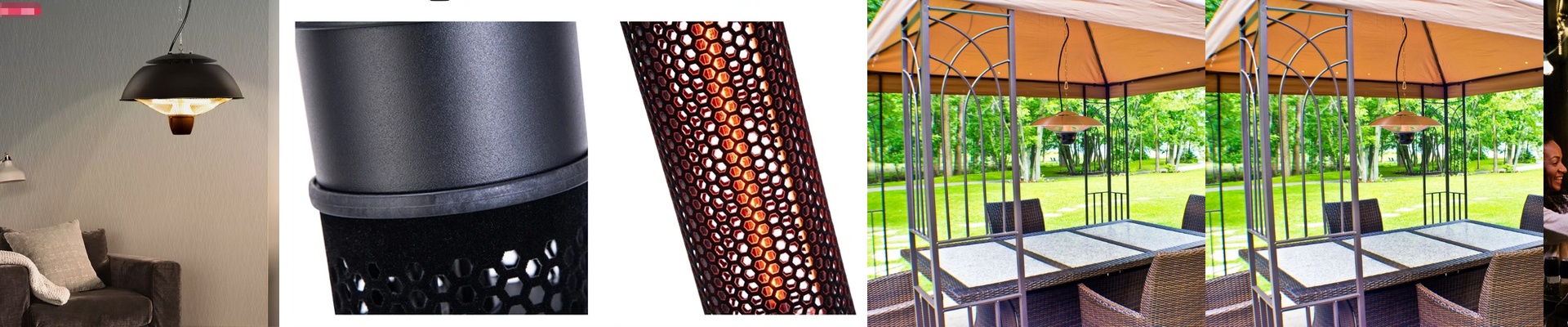
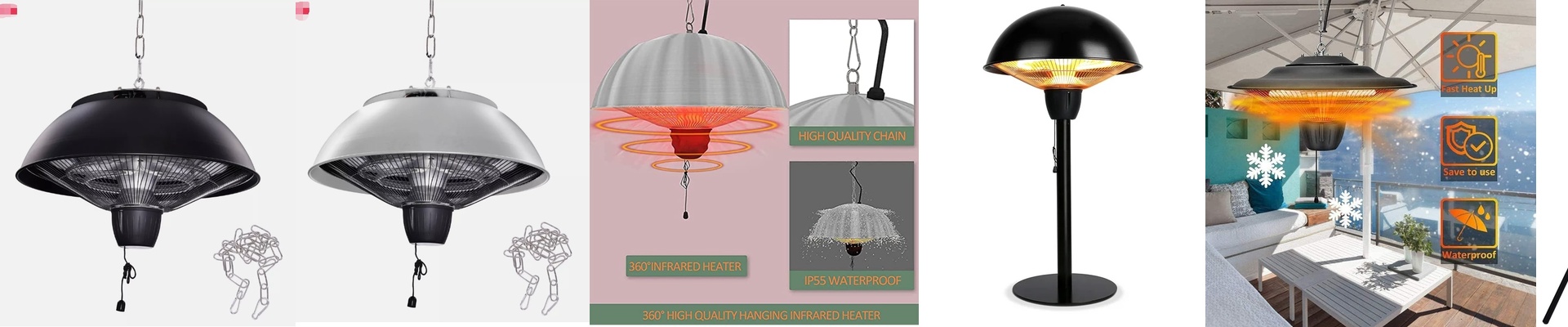
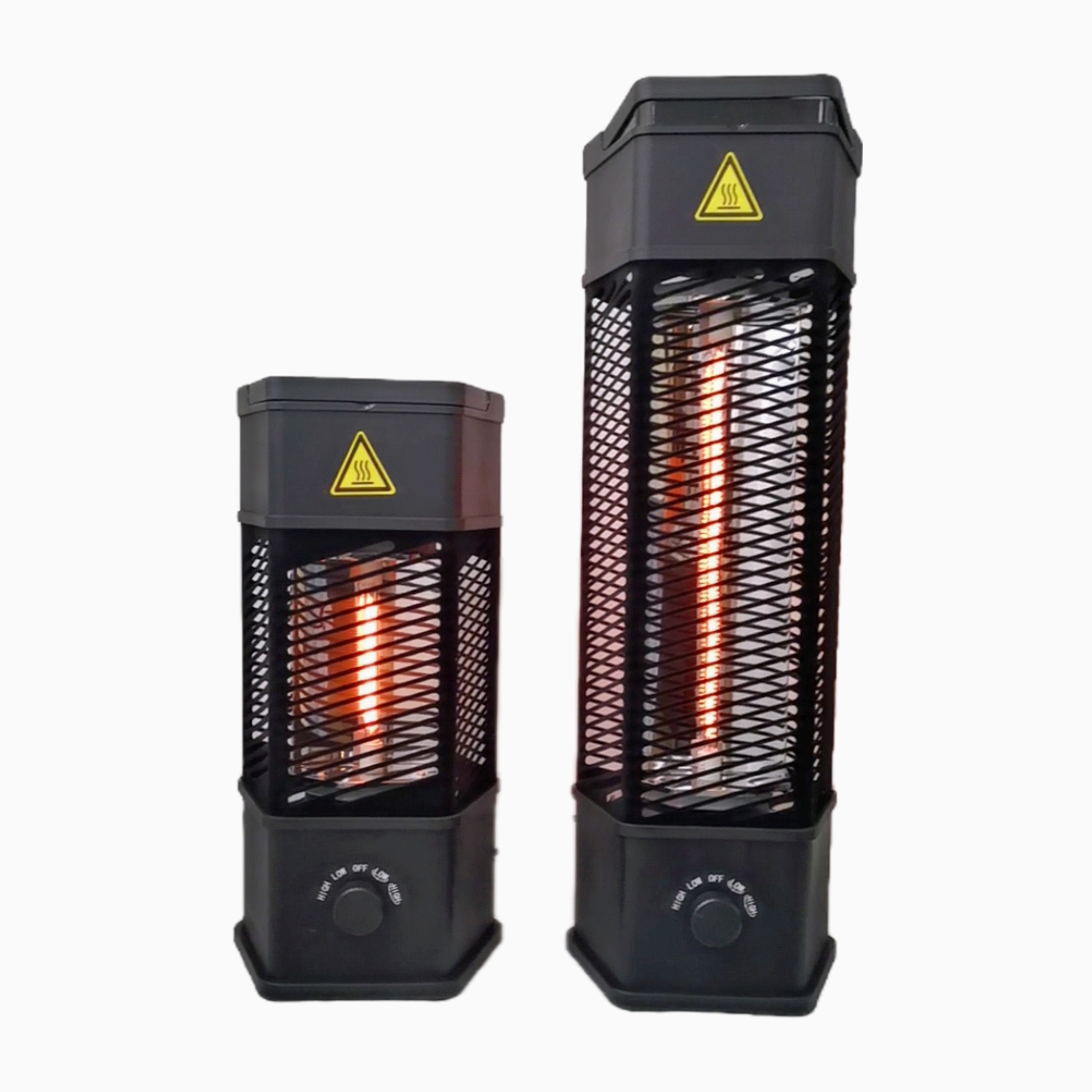
Most people buy a bathroom heater because they hate stepping onto a freezing floor in the morning. I get it. But if you look closer, these lamps can do something way more useful than just keeping you warm. They can actually stop mold from moving in. When we set up infrared heaters—whether they’re on the ceiling or built into towel rails—we aren’t just trying to warm up the air. We’re hunting for the damp spots on your walls and towels where mold loves to hang out. The trick is in how the heat works. Standard heaters just warm the air, which usually just pushes the moisture around the room. Infrared is different. It’s like sunlight hitting your skin on a clear day. It doesn’t wait for the air to get warm; it goes straight for the surfaces. The walls, the floors, your towels—they all heat up instantly. This makes the water evaporate way faster. Once those surfaces stay warm, condensation can’t form. And if there’s no standing water, the mold spores have nothing to eat. Simple as that. Plus, we can actually tweak the light spectrum to make sure the heat sinks into porous stuff, like grout lines or thick cotton towels. It’s a quiet way to dry out the room without having a loud, annoying exhaust fan screaming in your ear 24/7. It just keeps things dry enough that the mold cycle never even starts. But you can’t just wing the installation. These lamps put out a lot of intense, concentrated heat. If you cram one into a tight spot without enough breathing room, you’re asking for trouble. You could scorch your paint or trip a breaker if your wiring isn’t up to the task. It’s all about balance. You have to match the power of the lamp to the size of your room. You want your walls dry and your towels toasted, but you don’t want to turn your bathroom into a sauna. It takes a little bit of math to get the heat just right, but it’s worth it to never have to scrub mold off your ceiling again.