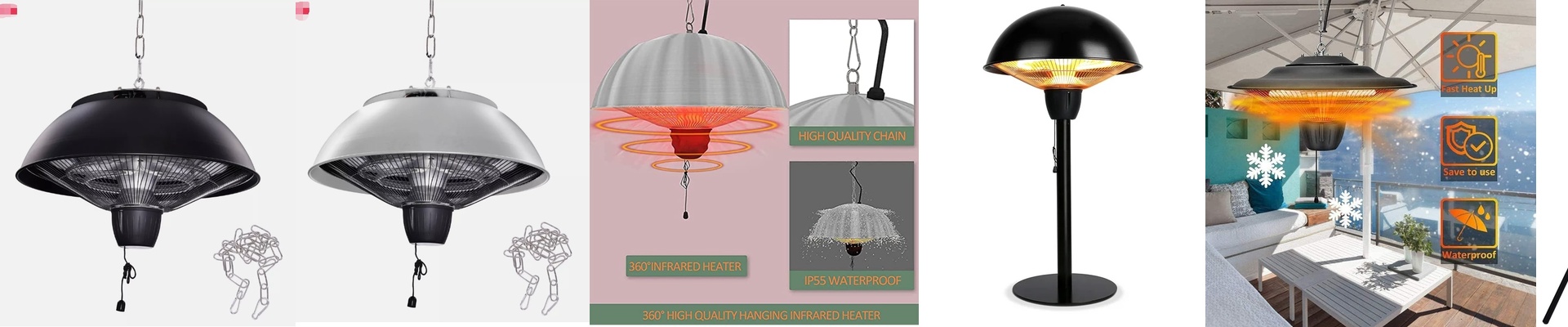
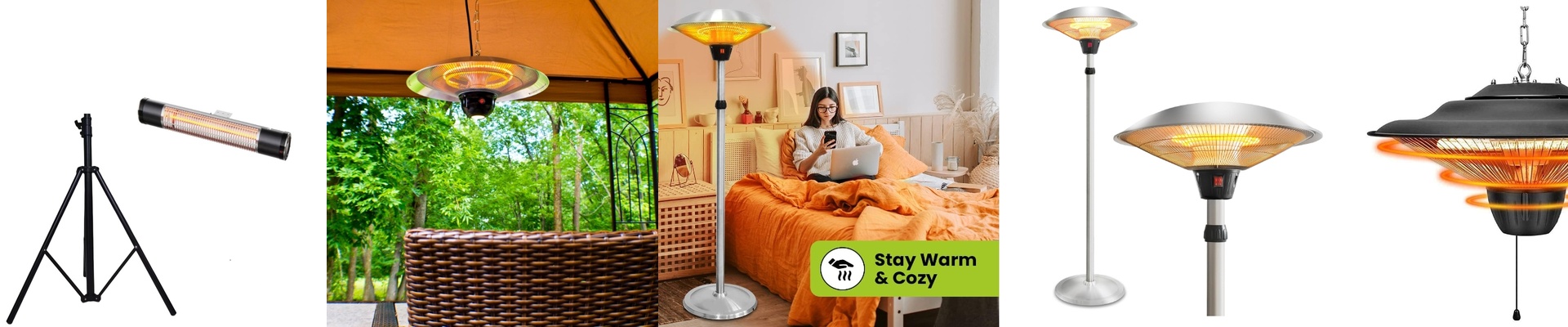
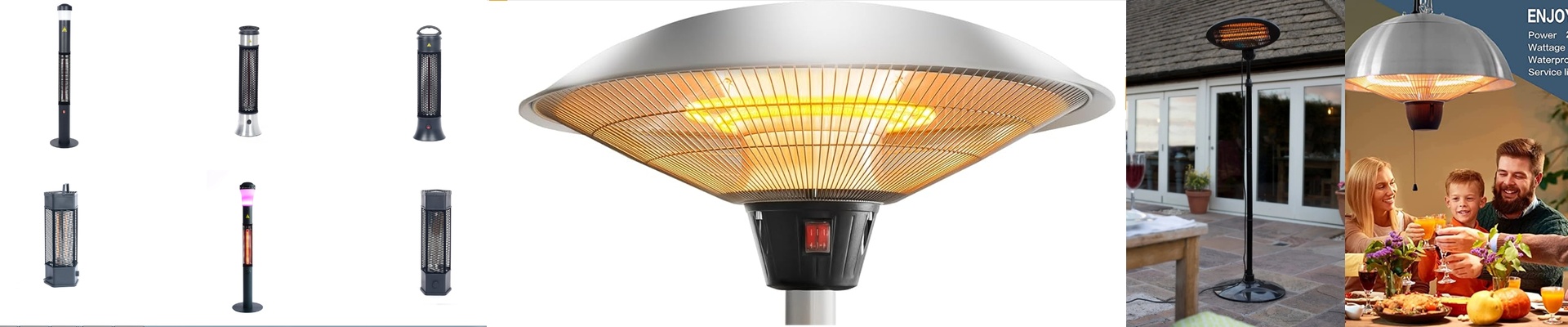
Stepping out of the shower into a cold, clammy bathroom isn’t just uncomfortable. It sets the stage for mold and mildew. Warm-air heaters can dry the air, but they leave the surfaces that stay wet untouched. An infrared bathroom heater does something different. It delivers radiant warmth that hits walls and floors, not just the air.
What matters under the hood
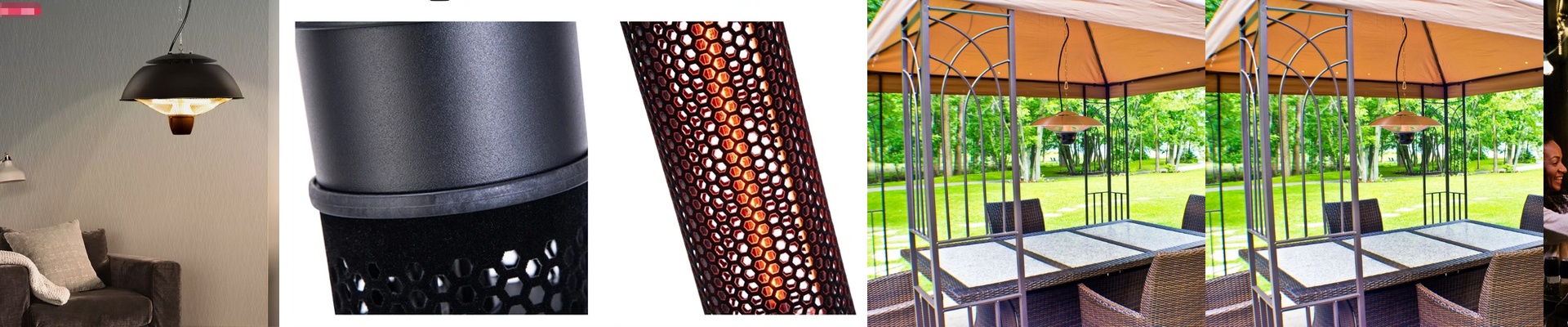
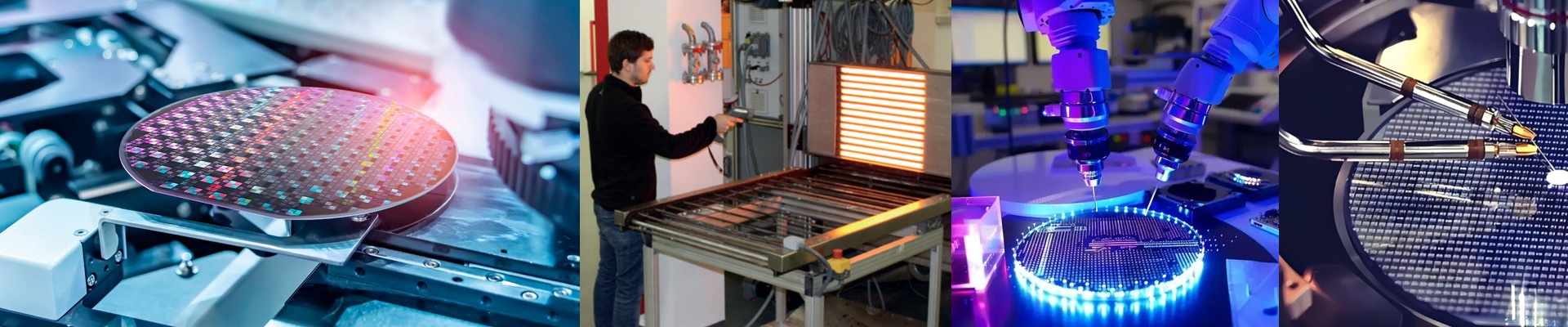
We built this infrared heater around a quartz tube, running in the near-infrared spectrum to go after moisture on contact. The radiant heat hits tiles, mirrors, and fixtures first, raising surface temperature so condensation evaporates faster. Eco mode keeps power draw in line by modulating output based on room conditions, so you get warmth without waste. The unit is rated IP34 for bathroom zones, and it includes tip-over protection for peace of mind.
Why this approach makes sense in a bathroom
In a bathroom, the cycle of steam and chill is what leaves moisture behind. Warm the surfaces that hold water, and you shorten the time the room stays damp. That makes the environment less hospitable to mold. You still feel that gentle radiant heat on your skin, and the air feels fresher, not stale. The result is a bathroom that feels dry, clean, and cozy—without overheating the air or running up your bill.
What you need to know
Install the heater at least 60 cm from water sources and follow local electrical codes. It works best when paired with a small exhaust fan to vent steam, and it needs a dedicated circuit to run steadily in Eco mode. The radiant effect dries surfaces quickly, but it won’t replace proper ventilation or a dehumidifier in very humid homes.