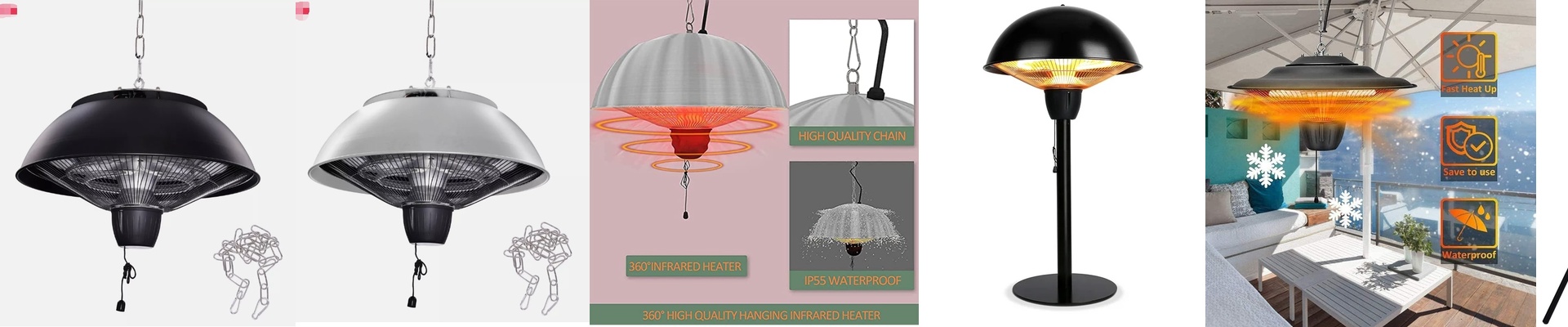

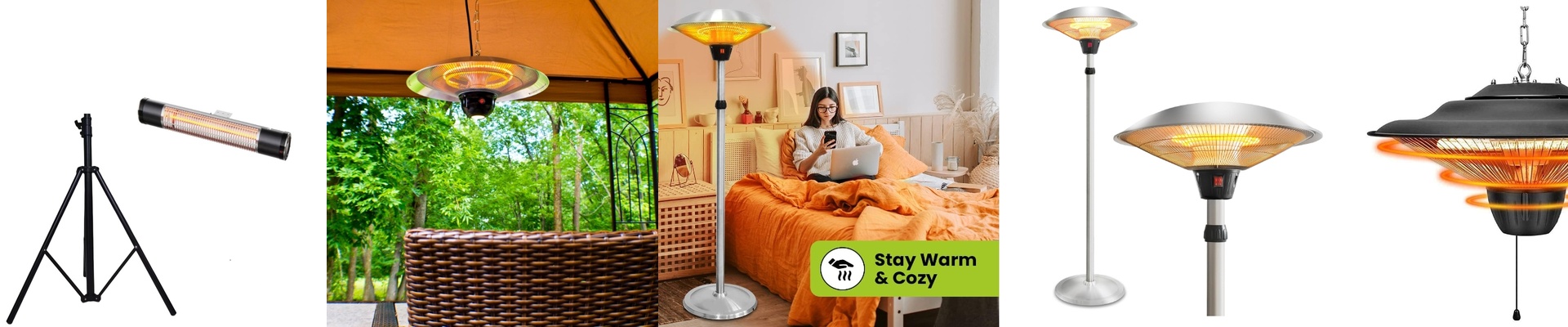
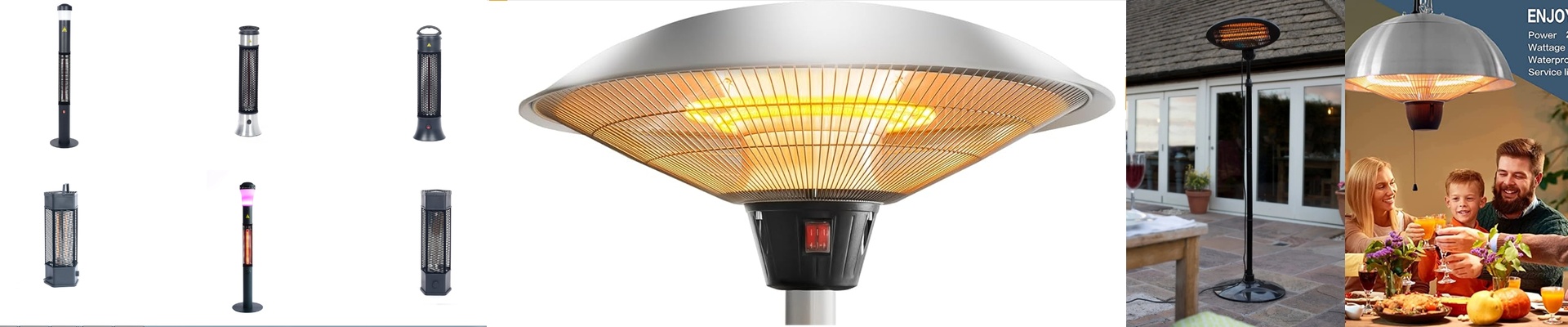
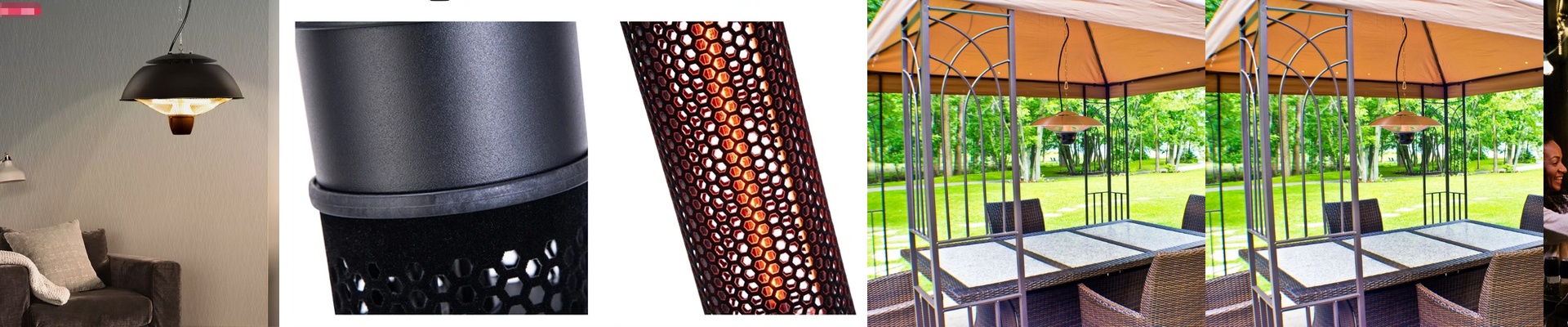
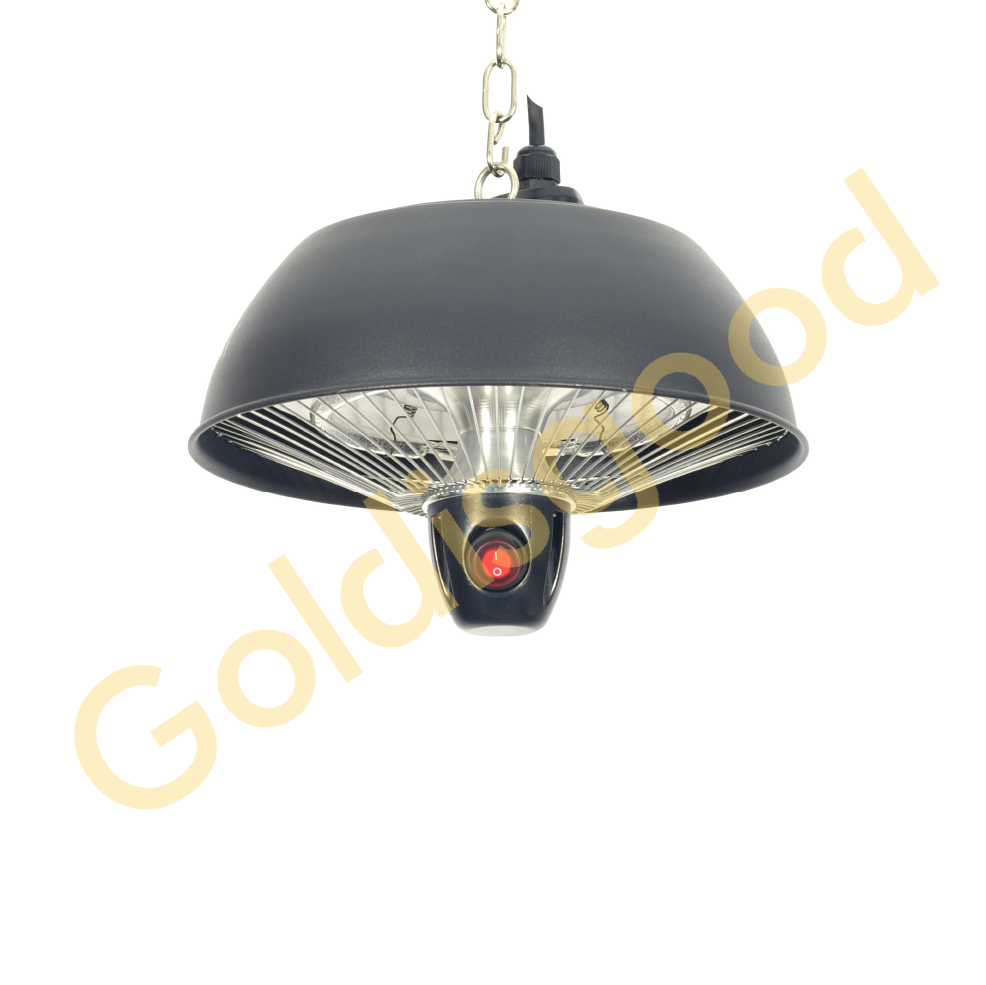
Outdoor evenings live or die by the heat. When the heater can’t keep up, the crowd starts checking the time, the conversation dies, and comfort goes out the window. We built our decorative infrared space heaters to cut through that uncertainty—same build discipline we use in the factory, sold straight to you without the retail markup.
What matters under the hood
These radiant heaters run on a carbon fiber element, pushing infrared warmth that travels outward and heats people and surfaces directly, not the air. You get heat the moment you flip the switch—no fan noise, no dry blast. Pick 120V or 240V models sized for patios, decks, and covered outdoor rooms, and match output to the space. Controls stay simple: an adjustable thermostat holds comfort steady, while tip-over protection and a protective grille add peace of mind. For outdoor use, some versions carry weather-resistance ratings, so the heater keeps doing its job when the evening turns brisk.
Why this holds up in the real world
The reason these heaters perform consistently is straightforward: we build them to the same standards we use for OEM supply, then sell at factory-wholesale pricing. That means materials are consistent, testing is repeatable, and tolerances stay tight—fewer callbacks, longer service life, and heat you can count on. In practice, you feel it as warmth that arrives fast, stays even, and lets you stretch the season without staring at the meter.
The details that make the difference
Infrared heat is directional, so placement matters. Aim the heater toward seating areas for the most effective coverage. For outdoor setups, use a weather-rated outlet and follow local electrical codes. Safety and durability are built in, but no electric heater is meant to sit in rain or standing water—give the unit shelter when it’s not in use.