Keeping Babies Warm (and Their Eyes Safe) in the Bathroom
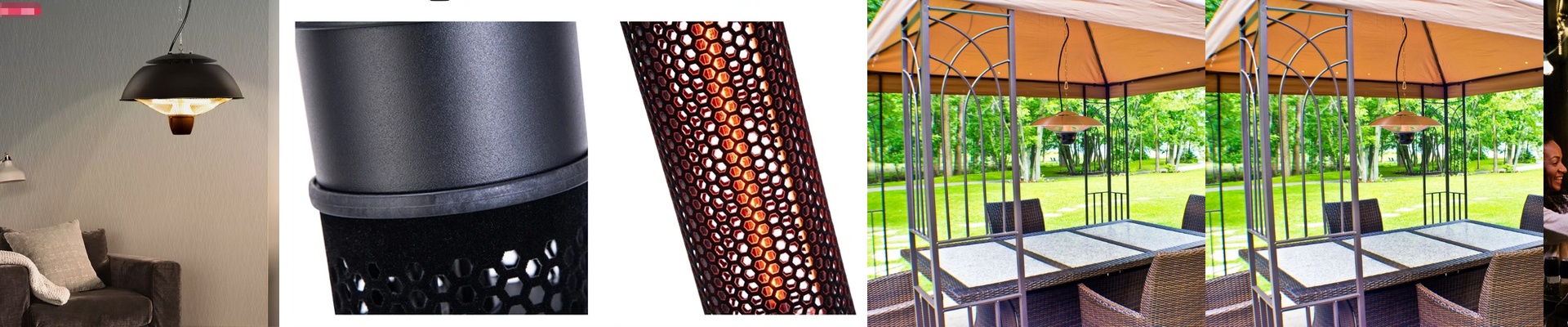
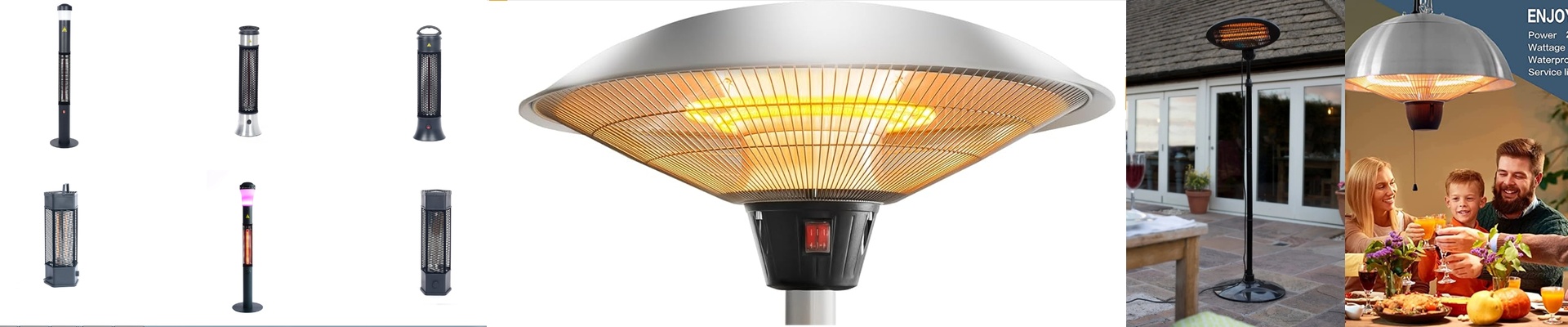
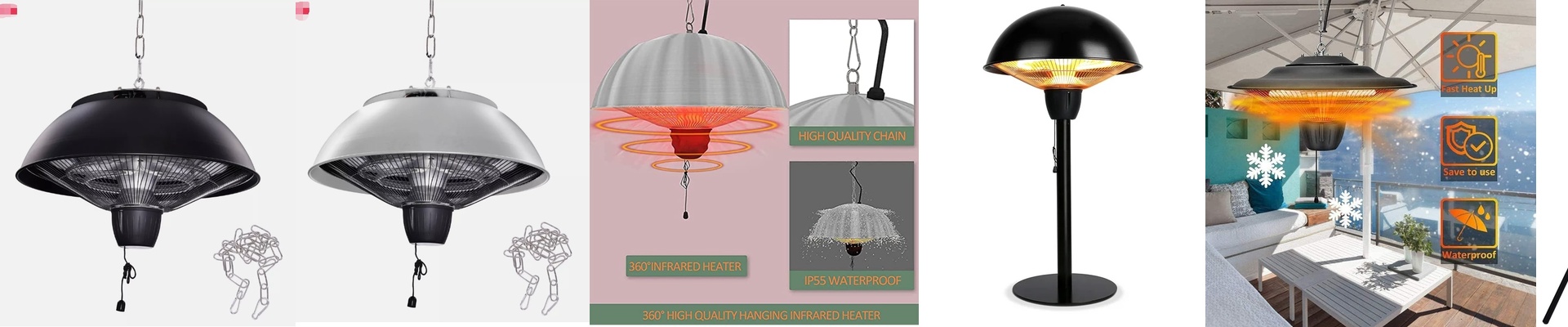
When you’re putting a ceiling heater in a bathroom, the goal is simple: you want that instant, cozy warmth on your skin without having to wait for the whole room to heat up. But when we’re talking about heaters for babies, things get a bit more delicate. The real challenge isn’t actually the heat. It’s the light. The problem with “raw” heat Standard quartz lamps are bright. Like, really bright. They pump out a lot of visible light and UV rays that can be way too harsh for a newborn’s sensitive eyes. Nobody wants a heater that feels like a interrogation lamp. To fix this, we use special coatings on the glass. Think of it like a pair of high-tech sunglasses for the heater. These coatings block out the blinding blue light and UV rays but let the infrared warmth slide right through. The result? You get a soft, warm glow instead of a glare that makes you squint. It’s much gentler on the eyes, but it still warms the baby up fast. Finding the sweet spot We spend a lot of time tweaking the guts of the lamp—the filament shape and the gas inside—to make sure it puts out plenty of heat without becoming a blinding light source. It’s a balancing act. We want it to feel powerful, but look calm. The honest trade-off Now, here’s the thing: those protective coatings do take a tiny bit of the heat with them. A clear tube is technically more “efficient,” but it’s not safe for a nursery or a baby’s bath. Because we lose a small percentage of heat to the filter, we usually bump up the wattage a notch. You won’t notice the difference in the room, but it ensures the heater still does its job perfectly. One last detail Bathrooms are steamed-up, humid places. If moisture leaks into the electrical contacts, the heater will burn out way too soon. That’s why we obsess over the seals. We make them tight so the unit lasts for years, even in the steamiest showers.