
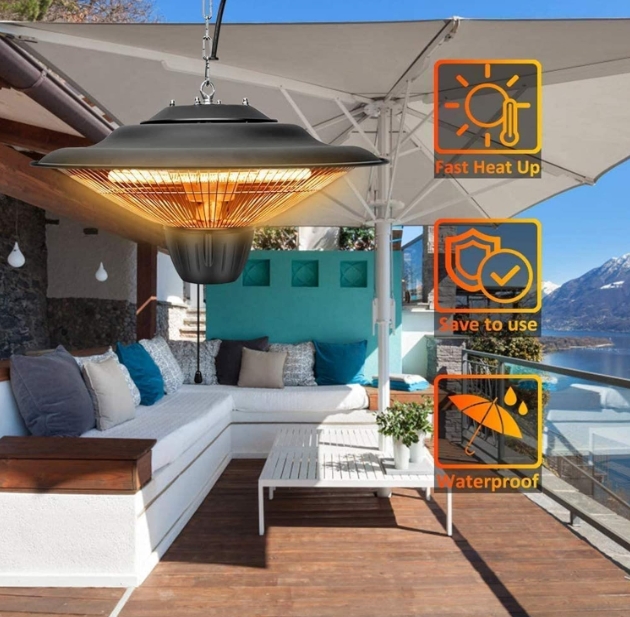
Keeping Things Safe: Electrical Isolation for IP44 Infrared Heaters
Putting infrared heating lamps in a bathroom or anywhere with a lot of steam is a bit of a balancing act. You’ve got water vapor and electricity in the same room, and that’s a recipe for trouble if you aren’t careful. That’s why we stick with IP44-rated enclosures. In plain English? It means the unit can handle splashes from any angle and keeps out any stray bits of debris larger than 1mm. It’s a solid first line of defense.
Getting the Insulation Right
To make sure no current leaks where it shouldn’t, we don’t just hope for the best. We use high-dielectric ceramic insulators to keep the heating element away from the chassis. The beauty of ceramics is that they don’t lose their grip on electricity even when they’re soaking wet. But the insulators are only half the battle. We also use sealed cable glands and silicone gaskets at every single entry point. Why? Because moisture is sneaky. It can actually “crawl” through tiny gaps via capillary action and end up right in your wiring terminals. These seals stop that from happening. And please,check your grounding. You need a dedicated earth bond. If something does go wrong and the insulation fails, you want the breaker to trip instantly. You definitely don’t want the outer casing becoming live.
The Fight Between Heat and Humidity
Infrared lamps get incredibly hot. This creates a weird temperature swing that can actually pull moisture toward the cooler electrical connections, leading to condensation. It’s a bit of a headache. To deal with this, we design our housings with built-in drainage paths so the water has somewhere to go. One thing to keep in mind: IP44 protects against splashes, but it isn’t a vacuum seal. If you’re putting these in a heavy-duty sauna, the air inside the unit will still get humid. To stop the wiring from cracking or wearing down over time, we use heat-resistant, moisture-proof cables—think PTFE or silicone jackets. They can take the heat.
The Last Line of Defense
When you’re wiring this up, use a GFCI or an RCD. Period. Think of it as your safety net. If a seal fails or water finds a way to a live terminal, the RCD kills the power in a fraction of a second. Without it, that IP44 rating is just a plastic shell. The RCD is what actually keeps you safe.