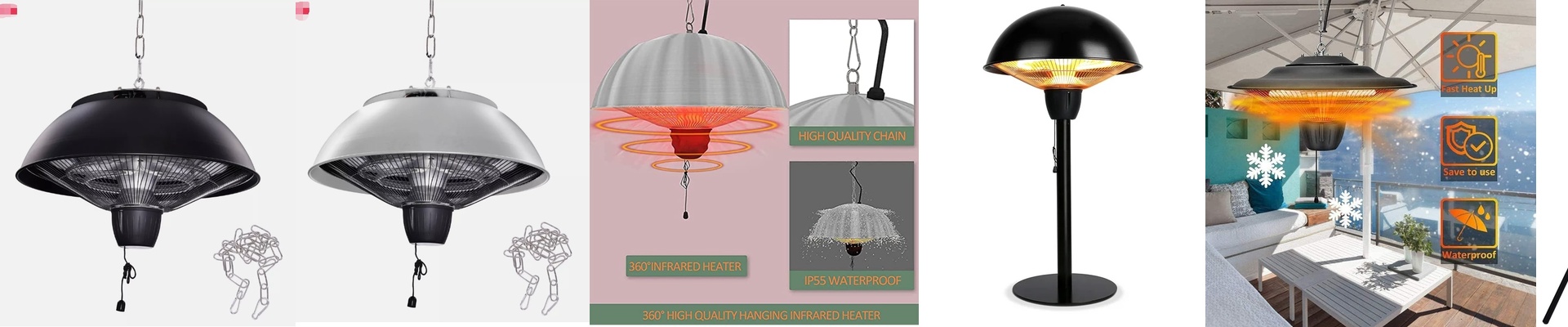
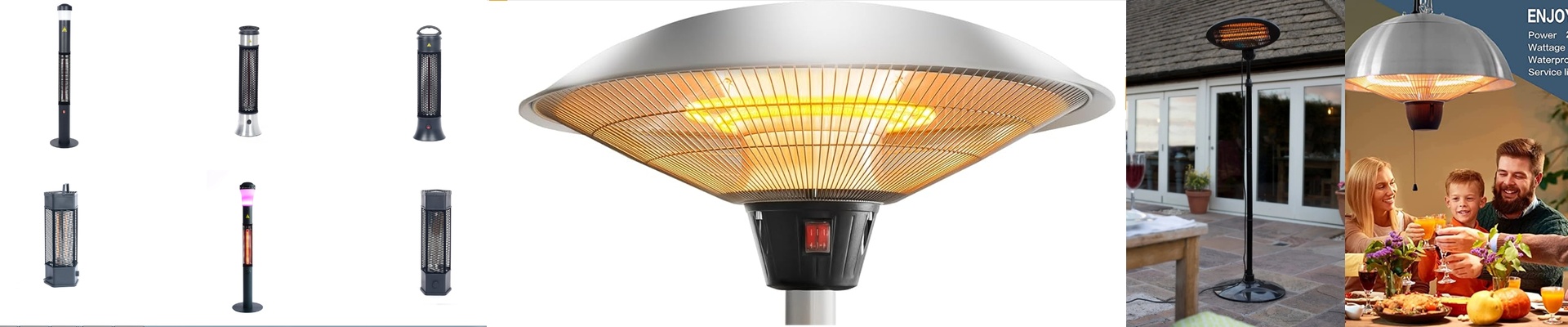
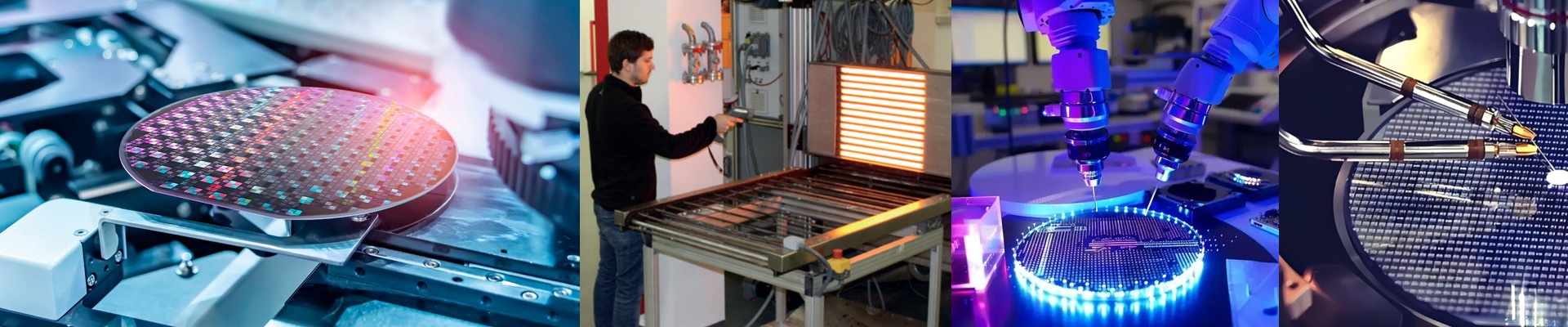
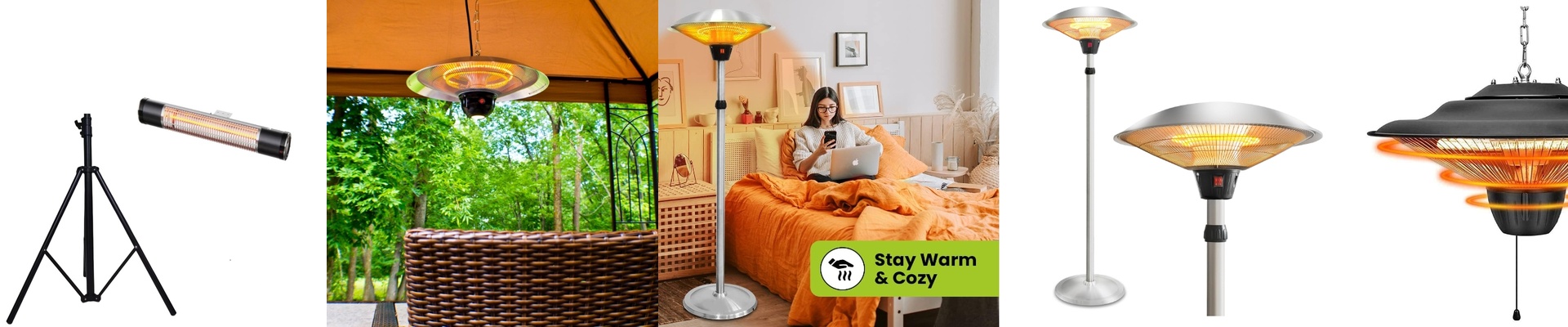
Stand in your shop on a cold morning, waiting for the space to come alive. Flip the switch, and the seconds drag. You finally get a slow, orange-red bloom—uneven, hesitant. That pause costs comfort, and when you’re busy, it costs time. With infrared warmth, you’re supposed to feel heat the instant the element fires. That first glow tells you more than any spec sheet ever will.
What matters under the hood
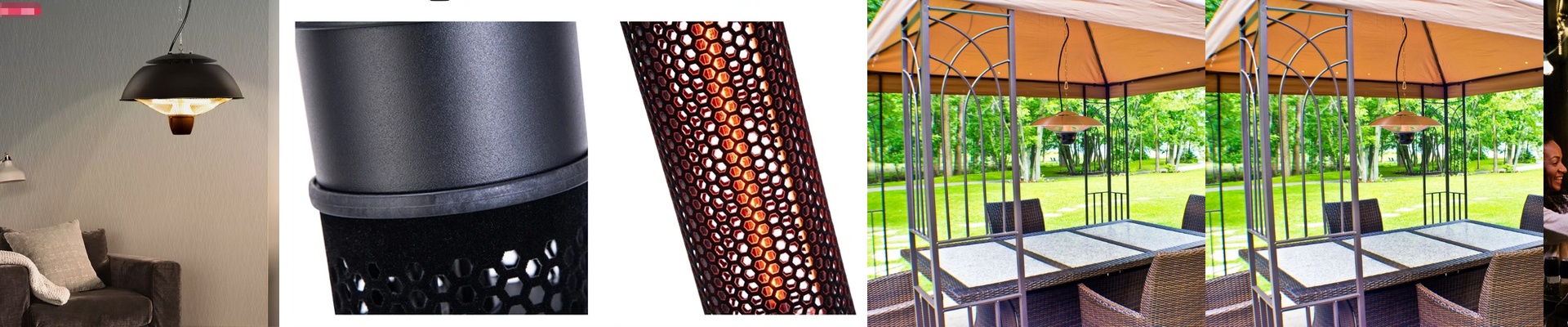
We build high-power space heaters around a carbon fiber heating element sealed inside a quartz tube. When you turn on a solid unit, the glow is clean and nearly instant—often within one to three seconds. The speed comes from low thermal mass: the element heats fast without soaking up and hoarding heat, so radiant output starts right away. A dim, patchy start usually points to impurities in the element and uneven resistance. That creates hot spots and a sluggish response. In the real world, you end up with slower warmth, less stable output, and a shorter service life.
Why this works where you need it
On the workshop floor, the win isn’t just heat—it’s predictable heat. A high-output infrared heater puts warmth where you stand within seconds, not minutes. Radiant energy travels outward and warms people and objects directly, so the air isn’t carrying the whole load. That means fewer drafts, less dust kicking around, and a steadier feel while you work. If you want a quick quality check, watch the startup glow. A consistent, bright, even light is the visual cue that the internal element is pure and the heater is ready to perform shift after shift.
What to keep in mind
Infrared heaters deliver comfort best when they’re close to the action—typically within 6 to 12 feet, depending on wattage and how your space is laid out. Make sure your outlet and circuit can handle the continuous draw, and keep the heater clear of obstructions. For outdoor use, confirm the IP rating and always plug into a grounded outlet. One practical trade-off: because radiant heat warms surfaces and people directly, the surrounding air can still feel cooler. Pair the heater with a simple thermostat to keep the overall feel steady.