Making Heating Lamps That Actually Survive the Bathroom
Let’s be honest: bathrooms are a nightmare for electronics. You’ve got thick steam, constant condensation, and temperature swings that would make most hardware cringe. It’s a recipe for electrical failure. We don’t just “hope” our infrared lamps hold up. Instead, we try our hardest to break them. We put them through damp-heat aging tests—basically, we force them to fail in a lab so they don’t fail in your house.
The battle against moisture
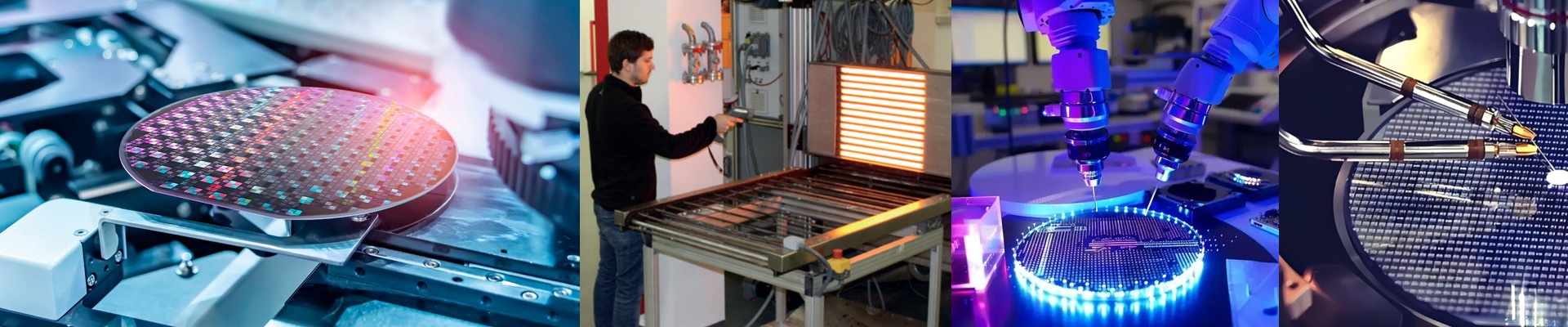
Here is the problem: water vapor is sneaky. It finds the tiniest gaps in the housing and the seals. Once that moisture settles on the electrical terminals or the quartz envelope, things get messy. If a seal isn’t perfect, the humidity triggers oxidation. That creates resistance, which leads to overheating, and before you know it, the lamp is burnt out. To stop this, we use aging chambers. We can simulate years of steamy showers in just a few weeks by cycling the heat and humidity to push the materials to their limit.
Hunting for leaks
We spend a lot of time obsessing over the insulation. Steam can actually create little “paths” for electricity to leak where it shouldn’t. Whenever a lamp fails a test, we strip it down to the bones to find the culprit. Usually, it’s a faulty gasket or a piece of plastic that was just a bit too porous. To fix it, we use high-grade sealants and corrosion-resistant plating on the terminals. Now, there’s a catch. Better sealing means tighter tolerances during assembly. It actually slows down our production line. But we’re okay with that, because it’s a lot better than having a lamp short out in a customer’s ceiling.
What this means for you
At the end of the day, you just want a light that works. You want a lamp that keeps its heat and stays safe for its entire life. You don’t want to be the person tripping the circuit breaker the second the shower gets hot. We’ve got the data on exactly how many hours these units last under 95% humidity. That way, when you put them into a project, you know they’re actually going to hold up.