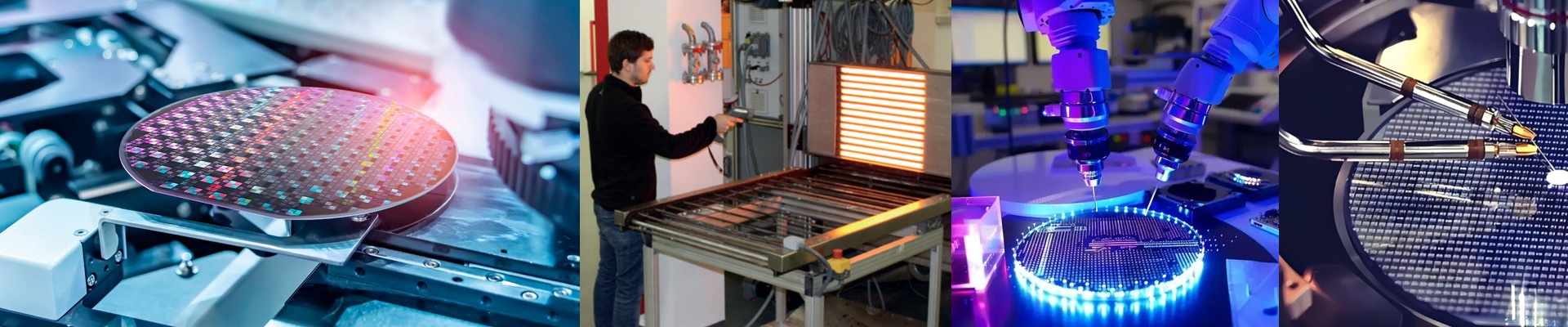
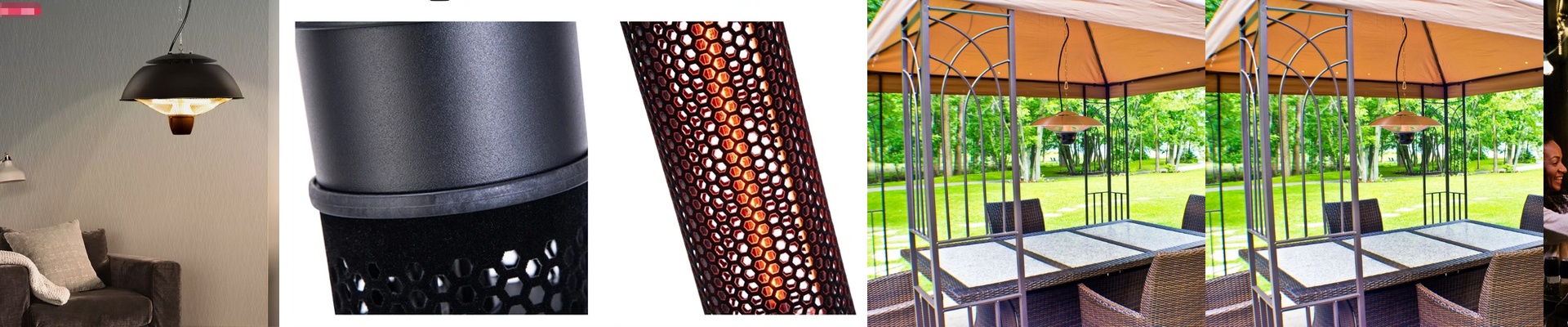
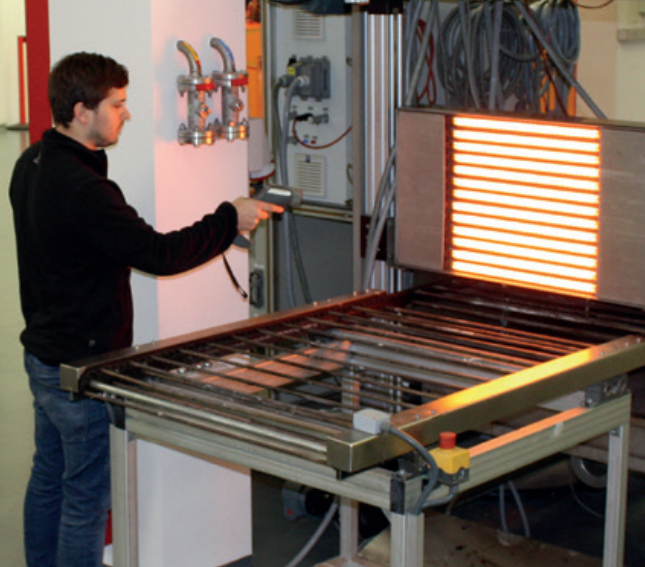
On the 300mm line, a 0.3°C drift during the photoresist bake is the difference between a controlled run and a full scrap lot. That dryer bulb isn’t just another consumable—it’s the thermal anchor that defines your process window. What matters, technically We spec these wafer dryer bulbs to hold wafer-level thermal uniformity within ±0.1°C across the entire bake profile, soft bake through hard bake. The quartz envelope and the filament geometry are tuned so the temperature snaps back fast, without much overshoot, so critical dimensions stay put. The output is matched to cleanroom Class 1–100, and we verify zero particle generation right at the point of use. You can count on 5,000+ hours of stable output, with intensity drift under 5%, which means fewer unplanned change-outs in the middle of a run. Why it works in lithography In lithography, repeatability is yield. When thermal profiles match across tools, setup time drops and linewidth excursions shrink. Tighter temperature control lets you tighten the thermal budget without pushing photoresist integrity, so you get better throughput and lower energy draw. The bulb’s heat-up and cool-down behavior is consistent, which makes recipe qualification and transfer cleaner—stable results from development into volume manufacturing. Here are the practical details These bulbs are engineered for specific reflector geometries and power supplies. If the fixture doesn’t match, you’ll see hot spots and drift. Double-check voltage tolerance, connector type, and the thermal mass at the chamber interface. Plan for a controlled cool-down after each batch—protects filament life and keeps repeatability. When everything lines up, the payoff is predictable bakes, less rework, and uptime you can actually rely on.