


Stopping the Nightmare of Wafer Contamination in CNT Heaters
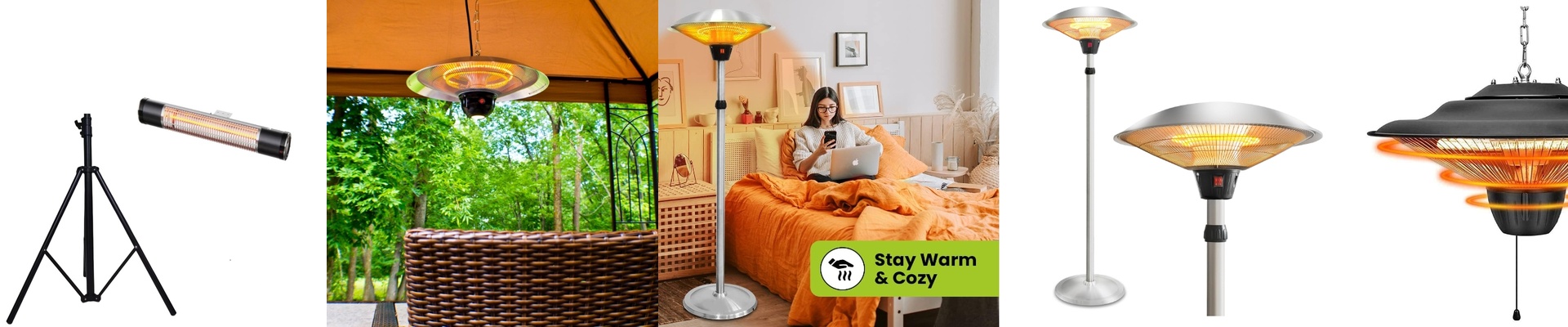
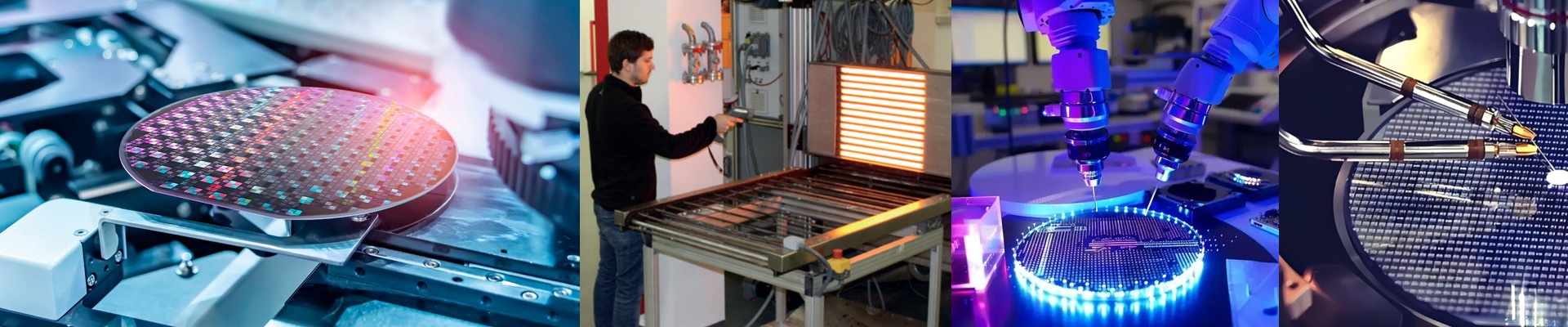
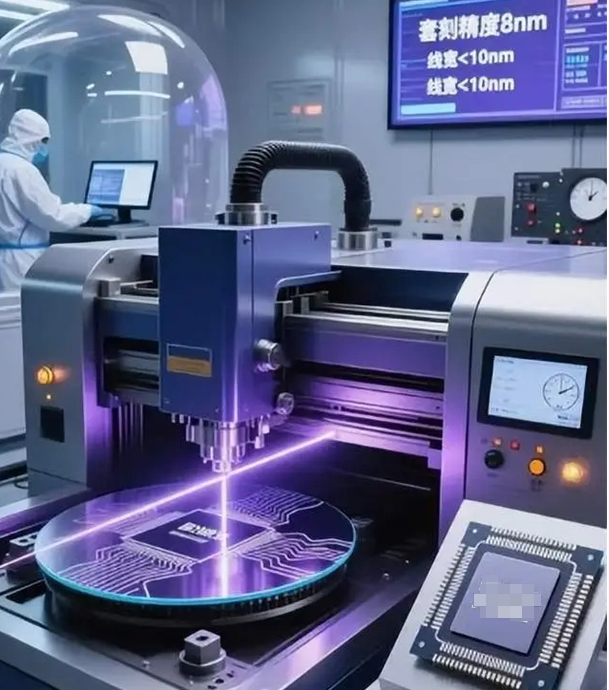
If you’ve worked in CNT fabrication, you know the drill. You’re running high-load production, the pressure is on, and then it happens. A single infrared lamp bursts. It’s not just a broken bulb. It’s a disaster. Suddenly, your wafers are showered in quartz shards and halogen gas. One tiny failure triggers a chain reaction that kills your entire batch. It’s a headache nobody wants. That’s exactly why we built our IR heaters the way we did. We wanted to kill that failure chain before it even starts. Dealing with the “Shrapnel” We don’t just trust a thin quartz envelope to hold everything together. That’s asking for trouble. Instead, we wrap things in a secondary containment sleeve or a protective shroud. Think of it as a safety net. If a lamp cracks from thermal shock or just gives up the ghost, the shroud catches the debris. No glass spray. No particles landing on your substrate. You just keep your fabrication zone clean. The Heat Struggle When you’re pushing max wattage, things get brutal at the filament-to-quartz seal. That’s where most lamps fail. The seal leaks, oxygen gets in, the filament snaps, and—boom—the tube implodes. To stop this, we used reinforced end-caps. By keeping the temperature stable at that pinch seal, the lamp simply lasts longer. It’s a simple fix, but it saves a lot of grief. The Honest Trade-off Now, let’s be real. Adding a protective shield means a little bit of the infrared energy doesn’t make it through. You might see a 3-5% dip in raw heat reaching the wafer. But here’s the thing: I’d take a 3% loss in efficiency any day over a total line shutdown. It’s a tiny price to pay for the peace of mind that your batch isn’t going to be ruined by a piece of flying glass. Swapping Them Out We also made sure these units are a breeze to replace. When a lamp hits its limit, you can just pull the whole assembly out. You don’t have to worry about leaving tiny glass fragments behind in the chamber. Just slide it out, wire the new one up, check your seal, and you’re back in business. Just make sure your ventilation is running to clear out any leftover gases, and you’re good to go.