Keeping Your Class 100 Cleanroom Actually Clean
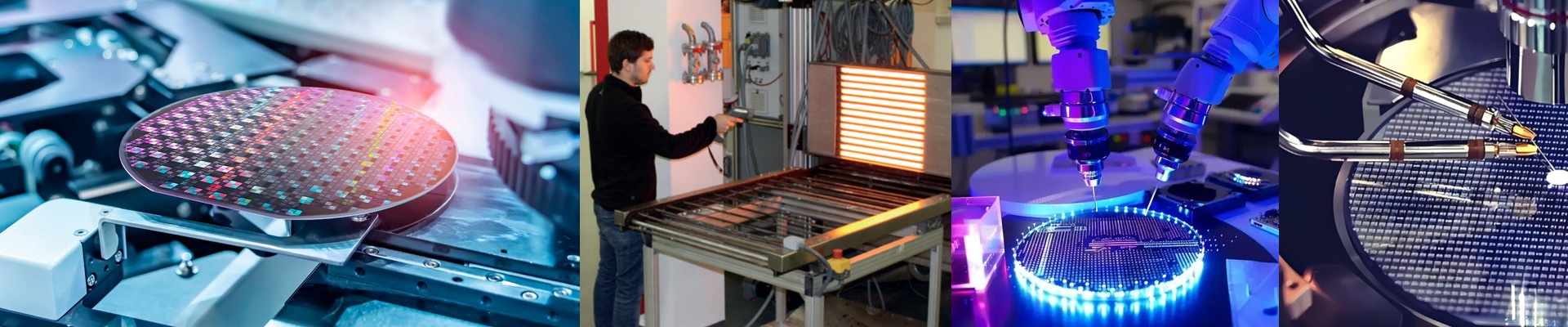
When you’re working in a Class 100 environment, the last thing you need is your heating system acting like a confetti machine. Most standard heater housings are a nightmare. Once they heat up, they start flaking or off-gassing VOCs. It’s invisible, but it’s there, and it ruins everything. We figured out a way to stop that by sticking to two things: high-purity quartz lamps and custom stainless steel. Why we use synthetic fused quartz Think of it as the gold standard for heat. Unlike the cheap glass you find in basic heaters, this stuff doesn’t break down or shed microscopic bits when things get hot. No “snowing” on your wafers. No surprise particles on your substrates. Plus, because it’s infrared, the energy goes straight to the target. You don’t have to blast forced air around the room, which means you aren’t just pushing dust from one corner to another. The build quality (where most people mess up) Usually, the housing is where the system fails. We build ours from 316L stainless steel and polish it to a mirror finish. Why? Because pores in the metal are basically tiny hotels for dust. We also banned adhesives and cheap gaskets from the shop. Everything is TIG welded and passivated. It’s a clean, non-reactive setup. We even use specific connectors so the electrical points don’t oxidize and leave conductive debris behind. A few things to watch out for Here’s the catch: high-purity quartz is brittle. It can handle a massive temperature swing, but if you bump it with a wrench? It’s gone. When you’re designing your mounts, make sure there’s zero metal-to-quartz contact. We use PTFE or ceramic insulators to let the lamp “float.” It’s the only way to keep it safe. And one more thing. IR heating is intense. It creates a lot of localized heat very quickly. If you don’t have your venting or heat-sinking dialed in, you’re going to warp your chassis. Double-check your airflow before you flip the switch.