Why Your Bathroom Heater Leads Actually Fail (And How We Fix It)
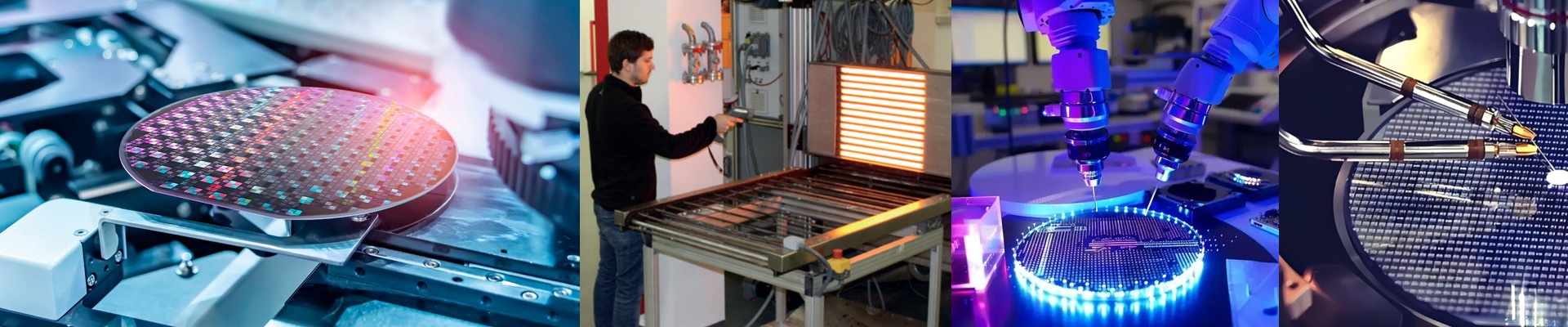
Bathroom mirror heaters live in a nightmare. On one side, you’ve got intense infrared heat. On the other, you’ve got thick, heavy steam. It’s a brutal combination. Most of the time, when these things break, it happens right where the wires lead out. If that seal lets go, moisture sneaks in. Then, the heat kicks in and basically cooks the insulation from the inside out. It turns into carbon, the insulation fails, and—pop—you’ve got a short circuit. The problem with the “cheap” way A lot of builders just use basic adhesives or some loose sleeves. That works for a while. But once those materials hit high temperatures over and over, they start to degrade. The sealant cracks. Then you get this “wicking” effect where the wire actually pulls moisture straight into the electrical connection. I see this all the time with low-end setups that just crimp the wire and wrap it in tape. The metal expands and contracts as it heats up, and that movement just rips the seal apart. How we do it differently To stop the shorts and the aging, we do things in stages. We use high-temperature fluoropolymer sleeves and a specific potting compound. This stuff doesn’t just sit on top like a cap; it actually bonds to the quartz tube and the wire insulation. It creates a total barrier that water can’t get through. We also use a precision curing oven. It’s important because it lets the sealant harden completely without accidentally melting the wire jacket. If you do this by hand, you risk burning out the wires before the product even leaves the factory. One thing to keep in mind There is a trade-off here. Because this seal is so solid, the leads are rigid. You can’t just bend these wires at sharp angles to jam them into a tight spot. If you force a tight bend to fit a tiny mirror frame, you’ll probably crack the seal. Just make sure your housing has enough room for the wires to curve naturally. It’s a bit more work on the design side, but it’s the only way to make sure the heater doesn’t trip the GFCI or become a fire hazard after six months of steamy showers. It really comes down to the materials you choose.