Stop Losing Money on Your Patio This Winter
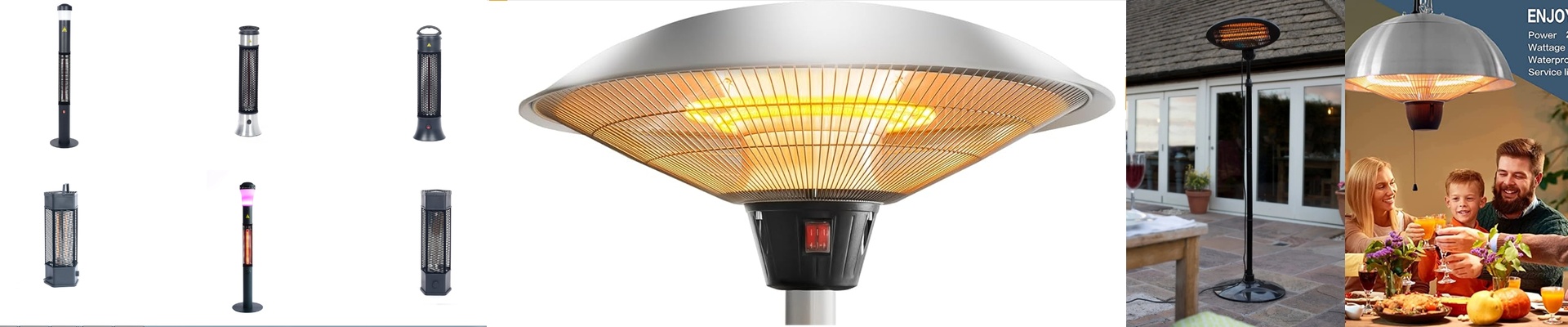
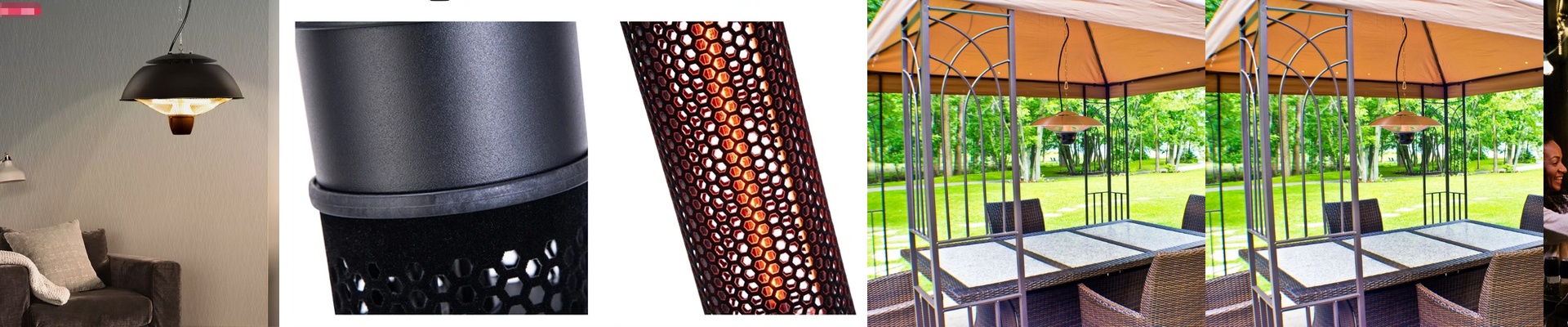
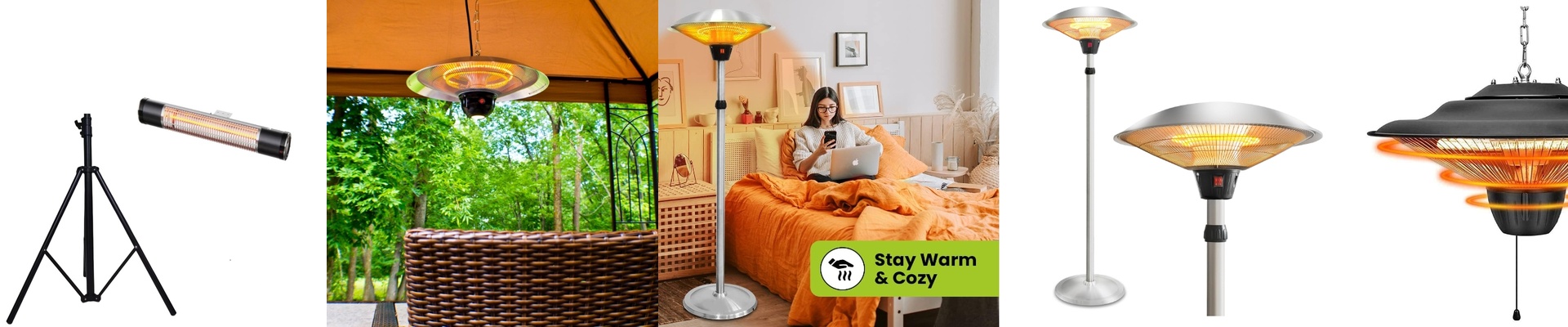
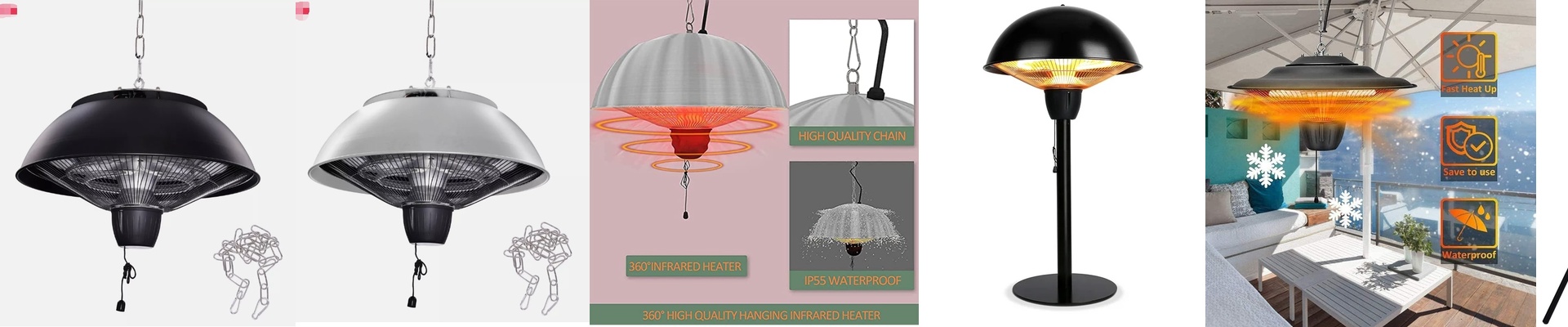
Let’s be honest: most outdoor heaters are a waste of money. You turn them on, the heat rises straight up into the sky, and your guests are still shivering in their coats. It’s frustrating. You’ve got a great space, but from November to March, half your tables are basically dead zones. That’s where shortwave infrared comes in. Instead of trying to warm up the entire outdoors—which is impossible—these radiators beam heat directly onto your customers and their chairs. It feels like sitting in the sun on a spring day. The secret to keeping people in their seats When someone feels that immediate warmth on their skin, they relax. They stop checking their watch. They order another round of drinks or a dessert they weren’t planning on. By creating these little “warm zones” around each table, you can actually use your entire patio all winter. It’s the easiest way to keep your table turnover steady when the weather turns ugly. Getting the gear right You can’t just grab any lamp and hope for the best. If your ceilings are high, a low-wattage heater won’t do a thing. The heat just disappears before it hits the table. I always suggest high-output quartz elements. They have the muscle to push that heat down and keep it dense, even from a distance. But here is a heads-up on the electrical side: these things are power-hungry. If you just plug ten 2kW heaters into one circuit, you’re going to trip the breaker right in the middle of a Friday night rush. Not a great look. You’ll want to balance the load across your panels so your lights don’t flicker every time the heat kicks in. The “Cold Back” Problem Here is the catch: infrared is a beam, not a blanket. If you just hang one massive unit in the center of the patio, you’ll end up with “hot spots” and “cold spots.” There is nothing worse than a customer who feels toasted in the face but has a freezing cold back. To fix this, you have to overlap the beams. You’ll probably need to buy a few more units than you originally thought. Yeah, it’s a bit more money upfront. But it beats having a guest complain that they’re freezing while they’re paying for a meal.