

Keeping Things Safe When Heat Meets Chemicals
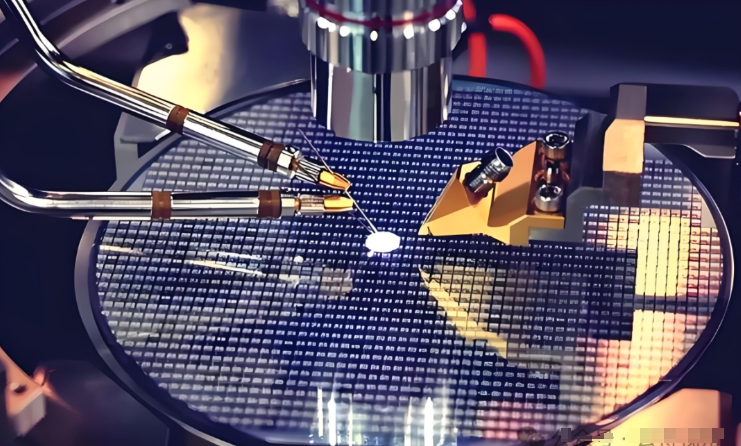
Making hydrogen sensors is a delicate game. You need pinpoint heat control, but you’re usually doing it right next to cleaning agents that would love nothing more than to catch fire. In a setup like that, a basic infrared lamp isn’t just a tool—it’s a liability. That’s why we build our IR heaters with a heavy focus on encapsulation. We’re basically building a fortress around the heat to keep sparks out and volatile vapors away from the hot elements.
The Secret is in the Seal
We don’t just throw a wrapper around the lamp and call it a day. We use a sealed quartz envelope paired with shielding that can actually handle harsh chemicals. Most setups fail at the seals. It’s the classic weak point. To fix that, we use high-temp gaskets and specific potting compounds. The goal is simple: make sure not a single molecule of gas sneaks into the electrical terminals. If the chemicals can’t get in, they can’t cause a short.
Dealing with the Heat
These heaters pack a punch. They give you the high heat density you need to cure sensors fast. But there’s a catch. Because that protective shielding acts like a blanket, the surface gets hot. You’ve got to get your airflow right. If you aren’t moving that heat away from the housing, your internal components are basically sitting in an oven. They’ll bake, they’ll warp, and they’ll die way sooner than they should.
Getting it Up and Running
We designed these to be drop-in replacements. You shouldn’t have to rebuild your entire line just to upgrade your heater. We’ve isolated the wiring to stop arcing—which, as anyone in this industry knows, is the fastest way to trigger an explosion in a chemical zone. It hooks up to your PID controller easily, but do me a favor:check your grounding. A floating ground in a room full of hydrogen is a disaster waiting to happen. We test every single unit for dielectric strength because we’d rather find a leak in our lab than have you find one on your factory floor.