

Stop Glass Shards from Killing Your Wafers
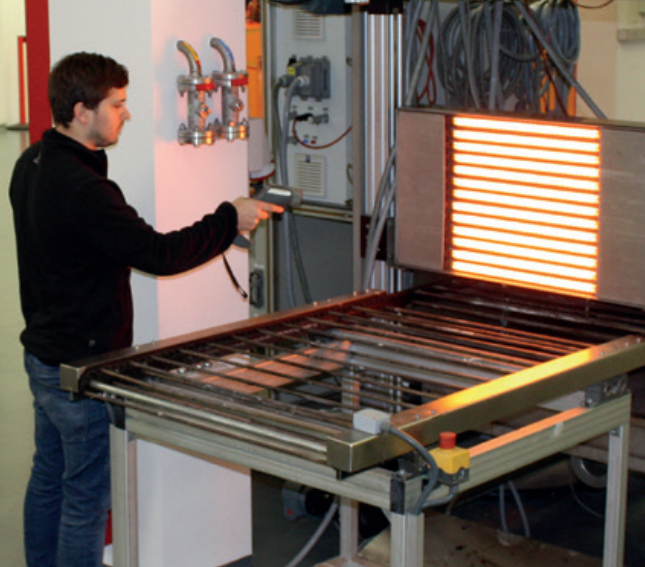
In a high-volume semiconductor plant, a lamp bursting is more than just a headache or a bit of downtime. It’s a nightmare. When an IR tube goes, you’ve got quartz shards and halogen gas raining down right onto your wafers. One pop, and the whole batch is trash. We’ve spent a lot of time thinking about how to stop that from happening, focusing on the materials and the way the lamps are actually held together. The stuff we use We stick with high-purity synthetic quartz for the envelope. Why? Because it can take the hit of rapid heating and cooling without cracking. But we didn’t stop there. We add a protective sleeve or a thin-film coating. Think of it as a safety net. If the filament burns out and the tube fails, that barrier keeps the glass fragments locked in place instead of letting them shower your product. The heat struggle You need high wattage to get those wafers up to temperature quickly. But there’s a catch. Pushing too much power into a tiny space creates “hot spots.” We balance the voltage and wattage so the heat spreads evenly across the whole tube. Just a heads-up: if you’re running these at full tilt, your cooling manifold has to be spot on. If the housing gets too hot, the seals at the electrodes can give way, and that’s usually when you get a premature burst. Getting the connections right Then there’s the wiring. We use precision-fit connectors because electrical arcing is a silent killer. Arcing creates these little spikes of intense heat that eat away at the quartz wall over time. By making the fit tight and vibration-resistant, we take the mechanical stress off the ends of the tube. It gives you a heat source you can actually trust. Sure, you still have to stay on top of your cooling system maintenance, but it takes the scariest point of failure out of your heating stack.