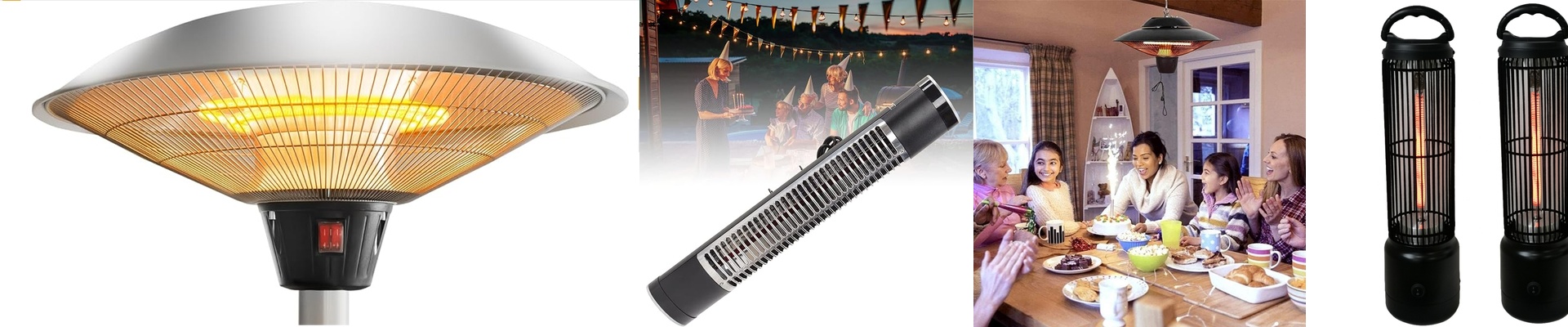
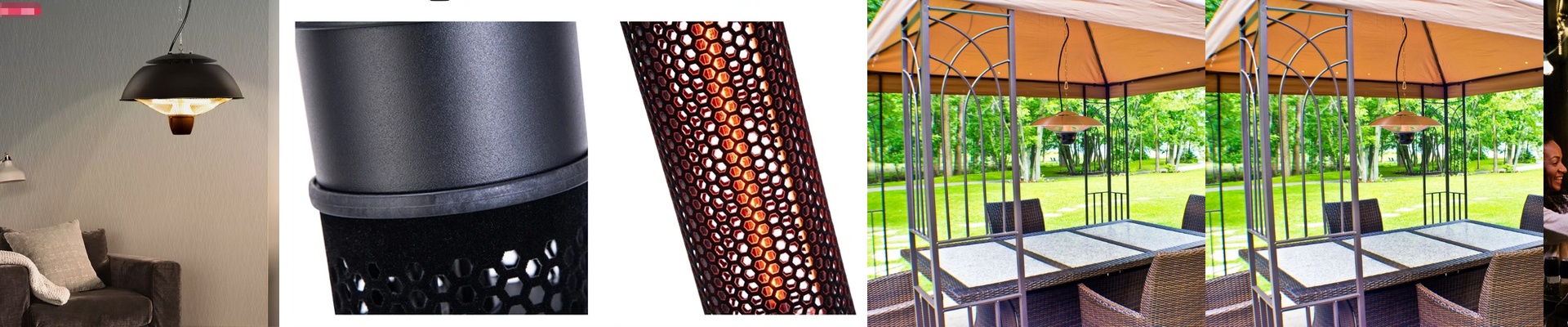

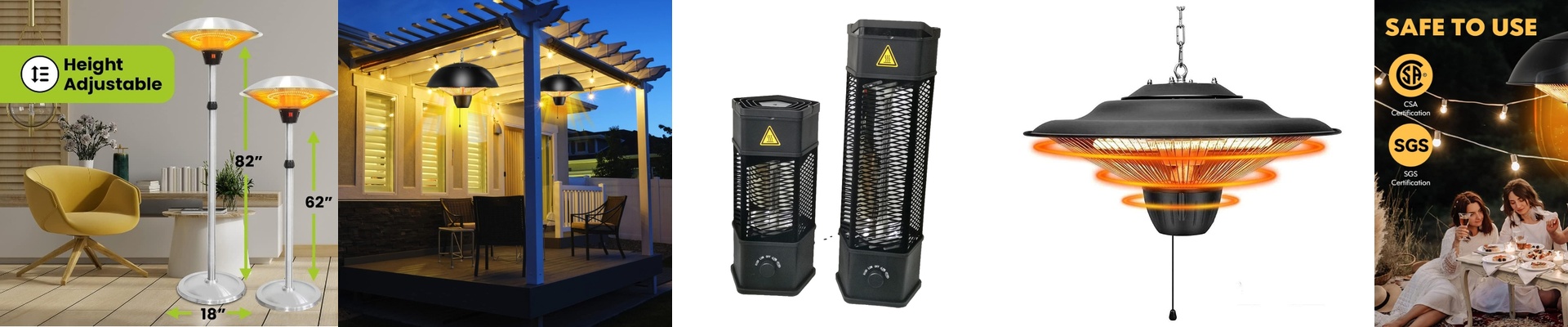


Why we put our bathroom heaters through hell (so you don’t have to)
Let’s be honest: bathrooms are a nightmare for electronics. You’ve got high-wattage heating elements sitting just inches away from thick steam, random splashes, and constant condensation. It’s a recipe for disaster. If a seal slips or a material gives up, the unit shorts out. Or worse, the reflector starts peeling off like a bad sunburn. We aren’t interested in guessing if a heater will last. That’s why we use damp-heat aging tests. Basically, we try to break the product on our floor so it doesn’t break in your home.
The problem with “waterproof” ratings
You’ll see “IP65” on the box. That’s great for dust and water jets, but a static rating doesn’t tell the whole story. Here’s the thing: heat makes things move. The housing expands when it’s on and shrinks when it’s off. This constant “breathing” can create tiny, microscopic gaps in the gaskets. Once steam sneaks in and cools down, it turns back into liquid water right on the electrical terminals. Not ideal. To stop this, we lock our heaters in humidity chambers for hundreds of hours. We crank the moisture and swing the temperature back and forth. We’re looking for any sign of rust or tiny electrical arcs that could cause a failure down the road.
When coatings give up
Heat and humidity are a brutal combo. They eat away at everything. Most infrared heaters rely on a reflective coating to push the heat down toward you. If that coating is cheap, it’ll start to bubble and flake in a steamy bathroom. Once that happens, your heat goes everywhere except where you want it, and the housing itself can get dangerously hot. We test the bond between that reflector and the base material. If it peels during our aging cycle? The whole batch gets scrapped. No exceptions.
The balancing act
There’s a tricky trade-off here. If we seal the unit completely to get a fancy rating, we trap the heat inside the electronics compartment. It’s like putting a winter coat on a radiator—eventually, the internal wiring just cooks itself. So, we spend a lot of time finding the sweet spot. We want a seal that keeps the steam out, but enough venting to let the circuitry breathe. The result is a heater that stays bone-dry on the inside without frying its own guts.