The Secret to Better IR Emitters: The Ceramic End Cap
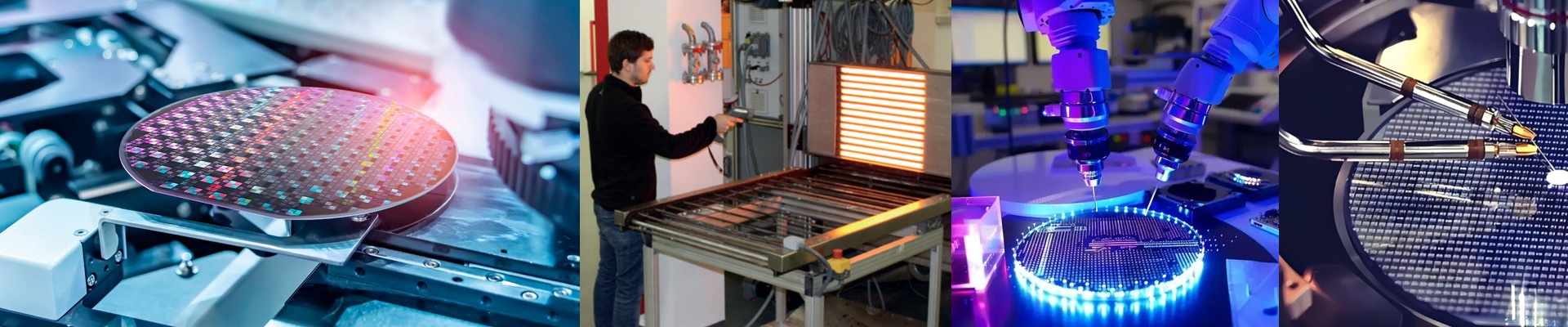
If you’re working with semiconductor drying and curing, you’ve probably noticed the big push toward “green” and lead-free standards. To keep up, a lot of us have moved toward IR emitters. Unlike those old convection ovens that just heat the air, IR goes straight for the substrate. It’s faster and more direct. But for that to actually work without everything melting or shorting out, you need a rock-solid connection. That’s where the ceramic end cap comes in.
Dealing with the Heat
Here’s the thing: the temperature swings at the end of these lamps are brutal. You’ve got high-voltage electrodes sitting right next to a metal housing. If you used a standard insulator, the heat from the quartz tube would just eat through it. You’d be looking at short circuits or a total burnout right when you’re in the middle of a peak cycle. We use high-grade ceramics because they don’t freak out when things get hot. They have a low thermal expansion coefficient—which is just a fancy way of saying they don’t grow or shrink much. This means when the emitter ramps up to full heat in a matter of seconds, the cap doesn’t just crack under the pressure.
Why This Matters for Lead-Free Work
Working with lead-free solders and polymers can be a headache. They have these tiny temperature windows; if you’re off by a little, you get oxidation or the substrate starts warping. IR emitters give you the precision to hit those windows perfectly. And because we use these ceramic-insulated setups, you can ditch the solvent-based chemicals and heavy-metal catalysts. It’s just a clean, dry process. Simple.
A Few Things to Watch Out For
Now, ceramics are great, but they have one big flaw: they’re brittle. If your team is rushing through a “drop-in replacement” and gives the cap a hard knock, it can chip. It might look like a small deal, but once that seal is gone, air gets in and your internal filament starts to oxidize. Then you’re buying a new lamp. Also, double-check your wiring. If the voltage doesn’t match the emitter’s specs, it’ll either barely work or just pop the fuse. One last tip: keep an eye on the torque on your mounting brackets. You don’t want to put too much mechanical stress on the spot where the ceramic meets the quartz, or you’re asking for trouble.