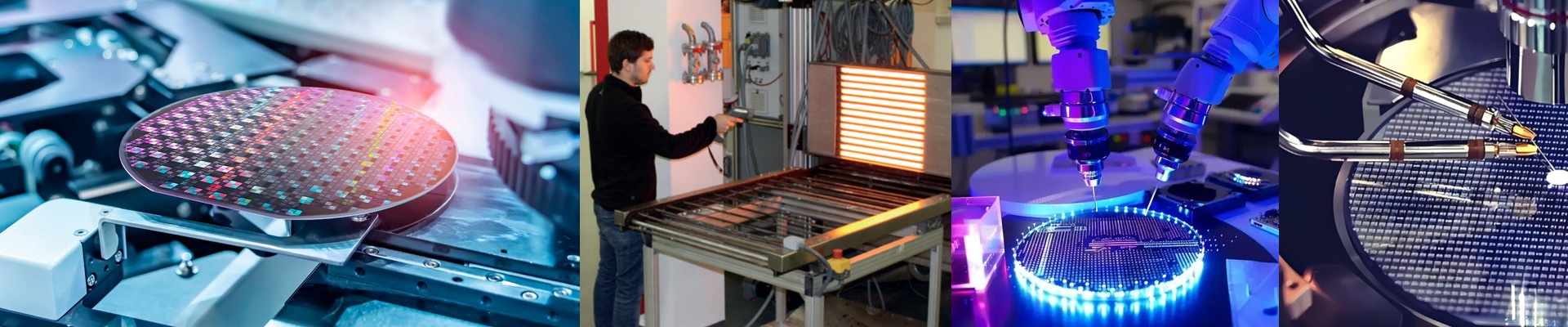
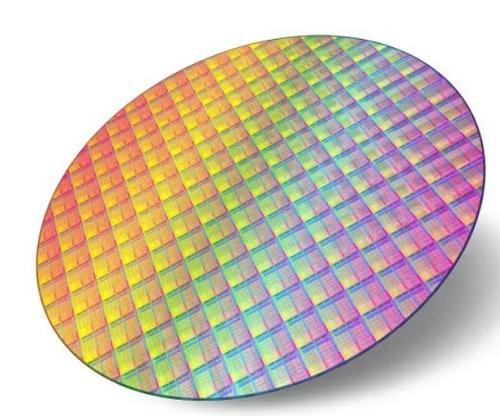
On the lithography floor, you know how it goes: a wafer dryer lamp drifting even 0.2°C can shove critical dimension bias right outside spec. Soft bake and hard bake aren’t just thermal formalities—they set solvent removal, polymer crosslink, and line-width control. When the lamp starts to wobble, yield slips away before you even see it. What matters under the hood We spec these replacement bulbs for halogen short-wave output, matched to quartz envelopes so they respond fast and hold stable spectral output. Across the bake face, wafer-level uniformity stays within ±0.1°C, which protects photoresist thermal budget and keeps the process repeatable. The lamp is cleanroom-compatible from Class 1 to Class 100, with zero particle generation at the bake zone and a sealed termination that keeps outgassing out. Power draw is tuned to match the dryer’s thermal load without overshoot, and the filament geometry is built for 24/7 operation—output drift stays below 5% over 5,000 hours. Why this holds up in production In the fab, the dryer has to hit the same temperature profile run after run. These bulbs deliver that consistency, so soft bake solvent removal and hard bake crosslink happen predictably—fewer CD excursions, less rework. Reliability means fewer unplanned stops, stable throughput, and maintenance windows you can plan around. The payoff is fewer scrapped lots and a tighter thermal control loop in your lithography cluster. Field notes for the swap Installation comes down to matching base type, voltage tolerance, and connector orientation to the dryer model. If the socket doesn’t line up, thermal coupling changes and life takes a hit. On the first install, verify lamp alignment and contact pressure, then confirm the dryer’s calibration curve after the swap so repeatability stays intact. In Class 100 or better, stick to ESD-safe handling to keep particle counts flat.
บนชั้นลิโธกราฟี คุณรู้ว่ามันเป็นอย่างไร: หลอดไฟเครื่องอบแห้งเวเฟอร์ที่เบี่ยงเบนแม้เพียง 0.2°C ก็สามารถทำให้ค่าความคลาดเคลื่อนของมิติสำคัญหลุดนอกขอบเขตสเปคได้ การอบแบบ soft bake และ hard bake ไม่ใช่แค่ขั้นตอนความร้อนธรรมดา แต่เป็นการกำหนดการกำจัดตัวทำละลาย การเชื่อมขวางของโพลิเมอร์ และการควบคุมความกว้างของเส้น เมื่อหลอดไฟเริ่มสั่น ผลผลิตจะลดลงก่อนที่คุณจะเห็น
สิ่งที่มีความสำคัญภายใต้ระบบ
เรากำหนดสเปคหลอดไฟทดแทนนี้ให้มีการปล่อยคลื่นสั้นของฮาโลเจน โดยจับคู่กับซองควอตซ์เพื่อให้ตอบสนองรวดเร็วและรักษาค่าการปล่อยสเปกตรัมให้คงที่ทั่วพื้นที่อบ ระดับความสม่ำเสมอของอุณหภูมิที่ผิวเวเฟอร์อยู่ในช่วง ±0.1°C ซึ่งช่วยปกป้องงบประมาณความร้อนของโฟโตเรซิสต์และทำให้กระบวนการทำซ้ำได้ หลอดไฟนี้เข้ากันได้กับห้องสะอาดตั้งแต่ Class 1 ถึง Class 100 โดยไม่มีการสร้างอนุภาคในโซนอบและมีการปิดผนึกที่ป้องกันการระบายก๊าซออกไป การใช้พลังงานถูกปรับให้เข้ากับภาระความร้อนของเครื่องอบแห้งโดยไม่มีการเกินพิกัด และโครงสร้างไส้หลอดถูกออกแบบสำหรับการทำงาน 24/7 โดยการเบี่ยงเบนของกำลังไฟฟ้าอยู่ต่ำกว่า 5% ในช่วงเวลาการใช้งาน 5,000 ชั่วโมง
เหตุผลที่ใช้ในงานผลิตได้จริง
ในโรงงานผลิต เครื่องอบแห้งต้องทำอุณหภูมิให้เหมือนเดิมในทุกรอบการทำงาน หลอดไฟเหล่านี้ส่งมอบความสม่ำเสมอนั้น ทำให้การกำจัดตัวทำละลายใน soft bake และการเชื่อมขวางใน hard bake เกิดขึ้นอย่างคาดเดาได้ ส่งผลให้มีความคลาดเคลื่อนของ CD ลดลงและงานแก้ไขน้อยลง ความน่าเชื่อถือหมายถึงการหยุดงานโดยไม่คาดคิดลดลง อัตราการผลิตคงที่ และช่วงเวลาบำรุงรักษาที่สามารถวางแผนได้ ผลลัพธ์คือจำนวนล็อตที่ต้องทิ้งลดลง และวงจรควบคุมความร้อนในกลุ่มลิโธกราฟีมีความแม่นยำมากขึ้น
หมายเหตุภาคสนามสำหรับการเปลี่ยนหลอด
การติดตั้งขึ้นอยู่กับการจับคู่ประเภทฐาน ความทนทานต่อแรงดันไฟฟ้า และทิศทางของขั้วต่อให้ตรงกับรุ่นเครื่องอบแห้ง หากซ็อกเก็ตไม่ตรงกัน การเชื่อมต่อทางความร้อนจะเปลี่ยนแปลงและอายุการใช้งานลดลง ในการติดตั้งครั้งแรก ให้ตรวจสอบการจัดแนวหลอดไฟและแรงกดสัมผัส จากนั้นยืนยันเส้นโค้งการปรับเทียบของเครื่องอบแห้งหลังการเปลี่ยนหลอดเพื่อรักษาความสามารถในการทำซ้ำ ในห้องสะอาด Class 100 หรือสูงกว่า ให้ปฏิบัติตามขั้นตอนการจัดการที่ปลอดภัยต่อ ESD เพื่อรักษาระดับอนุภาคให้คงที่