

Why We’re Swapping Out the Big Ovens for IR Curing
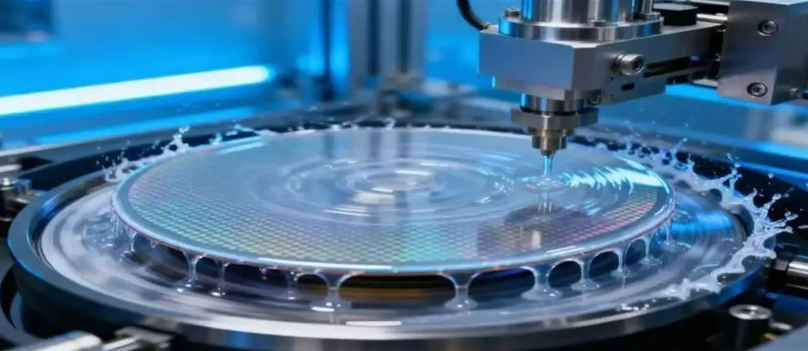
Semi-fab plants are finally moving away from those massive convection ovens. Look, going “lead-free” and “green” isn’t just about the chemicals we put on a wafer. It’s about how we handle the heat without burning through megawatts of power just to get the job done. That’s where Infrared (IR) curing comes in. Here is the thing about traditional drying: you have to heat up all the air in the room just to heat up the part. It’s a waste. It takes up a ton of floor space for ventilation, and it’s just… slow. With IR, we just send electromagnetic radiation straight into the substrate. The air doesn’t even get involved. Because the energy goes directly to the surface, you hit your target temperature in seconds. Not minutes.Seconds. Now, lead-free solders and adhesives are a bit more temperamental. They need higher temperatures and a much tighter grip on the thermal profile, or you end up with a pile of defects. The beauty of IR is that we can tune the wavelength—short, medium, or long—to match exactly what that specific chemical compound needs to cure. You get a level of control that’s almost surgical. No more over-baking. No more tossing expensive scrap in the bin. And the energy bill? That’s the best part. IR lamps hit full power almost instantly. You don’t have to leave an oven idling at 200°C all night just because you might need it in the morning. You flip the switch, cure the batch, and turn it off. It’s that simple. But it’s not all magic. You have to be careful. High-intensity IR can create these little heat spikes. If your layout is off, you risk warping the wafer. You’ve got to be smart about your cooling zones and how fast the conveyor is moving to keep everything balanced. Still, if we’re actually going to hit those “net-zero” goals in a fab, this is the way to do it. It gets rid of those nasty VOC solvents and seriously slashes the carbon footprint of the drying stage. It just makes sense.